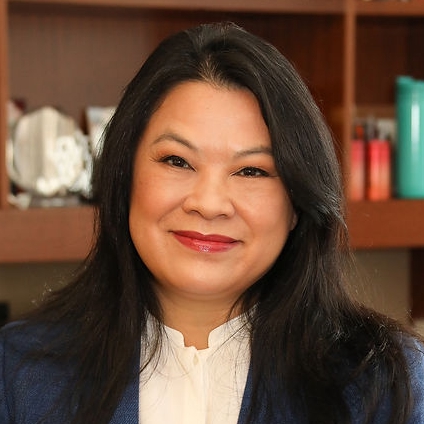
Joyce Chang
Chair of Global Research at J.P. Morgan, frequent commentator on markets and geopolitics
11
APPEARANCES
4
PODCASTS
Nov 5, 2026


Joyce ChangGUEST
Well, the investor mood was that two things can be true at the same time, Sjoerd.
Joyce ChangGUEST
Overall, even though there was recognition of the higher rates, sentiment was still positive on equities, despite the prospect for higher for longer yields.
Joyce ChangGUEST
There was more of an emphasis on quality and diversification rather than a universal stance that's tied to the AI CapEx boom.
Joyce ChangGUEST
So we think that the AI CapEx plans will continue to drive the market higher over the near term, but there's more concern about the market's capacity to absorb the scale of AI and hyperscaling financing, particularly in the debt markets.
Joyce ChangGUEST
and this is in large part because we've seen the surge in sovereign bond yields and developed markets and more competition and higher costs for capital so compared to some of the conferences that we hosted earlier this year where fear of missing out was really the big driver this set of meetings surfaced more direct questions about the return on investment and productivity gains there was also a lot more discussion about second order effects and the growing threat of cybersecurity attacks.
6 MINS LATER

Sjoerd LeenartHOST
And actually, Hong Kong plays a very important role, because most Chinese companies would run their regional or global operations through there.


Dominic ChuHOST
Is it right for this valuation adjustment to be at play right now? Only because we've seen a lot of earnings reports coming in from big tech companies that are signaling, yes, robustness ahead, but maybe a little caution with regard to just how much kind of elation there should be.
Joyce ChangGUEST
Well, the first half of the year was all about fear of missing out because all of the forecasts were revised up so much.
Joyce ChangGUEST
So even though there's CapEx upside, it's falling short of where expectations are.
Joyce ChangGUEST
And the debt part of it has just escalated as far as, you know, not just investment grade markets, but high yield markets, private credit.
Joyce ChangGUEST
So, you know, a lot of the questions that we're fielding right now is like on the duration of this, that even though they can see the CapEx growth, you know, how long can this last, particularly when you do have higher rates and higher cost of funding, you know, as well playing out across not just the AI market, but, you know, other parts of the market and the sovereign debt markets.
Joyce ChangGUEST
And I feel like this fear of missing out, now that you've had such heavy issuance and so many transactions in the marketplace, I mean, that has dissipated and you're back to the expectations now.
Dominic ChuHOST
How much will lower interest rates help or hurt or how much will higher interest rates help or hurt this particular thesis around AI, knowing that it's going to be governments themselves, treasuries and central banks that may have to be working independently, but almost together to kind of make this thing happen?

Lisa AbramowiczHOST
Do you see a chance that that could be revoked or that some of those taxes could go up?
Joyce ChangGUEST
Well, I think for the personal t- um, you know, income taxes, I mean, you had that benefit already, so that's passed.
Joyce ChangGUEST
So right now they're focused on, you know, gas at the pump, um, that inflation is still very sticky here.
Joyce ChangGUEST
So the corporate benefits, you know, I, you know, many of those are, uh, you know, phased in to stay as far as, um, just the, the business interests, um, that benefit from it.
Joyce ChangGUEST
But what I would look at, you know, more is that, uh, you're gonna have more regulation that will have to be forthcoming on AI at some point, that some of these benefits, um, you know, will have some offsets going forward just when you look at the issues that are going to be debated, um, on technology and on tech sovereignty.
Lisa AbramowiczHOST
Is there anywhere that you see real practical, uh, regulation that could crimp some of the AI trade?
Joyce ChangGUEST
I think it's gonna be a big issue in 2028, and I think you're g- going to see other countries also try to figure out the way in which they can engage with this.
Morgan BrennanHOST
Whether it's recession, whether it's I think you call it stagflation light, how to think about how this manifests and what that's going to mean across different asset classes, including, by the way, treasuries, which are behaving a certain way.
Joyce ChangGUEST
Well, I think if you have to still look at the longer term story, so much of the story was driven by CapEx and CapEx.
Joyce ChangGUEST
So if you still think this longer-term story is AI and CapEx and that that won't be derailed over the longer term, that's why I say stagflation first.
Morgan BrennanHOST
And that's part of the reason that we played those sound bites, because every time the Fed chair was asked a question about politicization or the optics of politicization of the Fed, that seems to be what moved it to weaken again after some stabilization earlier in the session.
Joyce ChangGUEST
I mean, you look at the growth, the inflation numbers being very sticky and the comments on the employment trends as well being more stable, as well as activity being solid here.
Joyce ChangGUEST
Now, I think the overall dynamics with the dollar have been much more about this dollar debasement trade.
Joyce ChangGUEST
Are we facing a period of de-dollarization, which I think is exaggerated here? I mean, the weaker dollar is not about de-dollarization.
Joyce ChangGUEST
But looking at the Fed message, I think it was very consistent with growth numbers that have more upside risk.
15 MINS LATER
Morgan BrennanHOST
So just in terms of going back to your comments before, just in terms of what the capital flows look like and how to think about this from an investing standpoint.

Frank HollandHOST
In your mind, does that increase GDP? Does that change anything about the markets?
Joyce ChangGUEST
I think it's important, not just the fentanyl tariffs, but that what China's doing itself, it's doing more stimulus as well.
Joyce ChangGUEST
So I think you could see some growth upsides, not so much from the tariff rate.
Joyce ChangGUEST
But one of the really good things about this discussion is both sides signal that they're going to continue the discussion with state visits.
Frank HollandHOST
Do you think it was in line with what the market expected? Why do you think futures are lower then? Is this about earnings? Is this about a similar setup as you're saying, sell the news on the rate cut that everybody was expecting?
Frank HollandHOST
It sounds like there's different parts that work in different parts that just don't work.
Joyce ChangGUEST
Well, I do think that the term premium here is going to stay elevated because of the fiscal debt, you know, the one big, beautiful bill.
Joyce ChangGUEST
So looking at going from, you know, the fourth quarter of around 2 percent going to 1.3 percent, still a one in three chance of recession here.
Joyce ChangGUEST
So I think that, you know, when you're taking a look at the sectors, look at I mean, certain things like aerospace and defense are going to do well.
Joyce ChangGUEST
But we still think that you should be more in consumer staples, utilities, real estate here.
Frank HollandHOST
What about the bond market with the one big, beautiful bill passing? Are you expecting to see bond yields move to the upside? And does that upside move create competition for equities that also puts pressure on them?

Morgan BrennanHOST
Is he right to be concerned about that in the comments we heard from the Fed chair this afternoon?
Joyce ChangGUEST
Yeah, I mean, look, we still have the recession risk, even with this 90-day pause at about 60%.
Joyce ChangGUEST
I mean, we see PCE inflation coming towards 4% over the next year, growth flat at the end of the year.
Joyce ChangGUEST
I mean, some of the hard data is still looking relatively healthy, but... flat growth, higher inflation, still very high fiscal deficits.
Joyce ChangGUEST
One has to highlight that these stagfishing risks are real risk and that the uncertainty continues.
Morgan BrennanHOST
The economic data, what are your expectations as we finish up Q1 data and we come into Q2? How noisy is it, especially when you think about pull-forwards in inventory amid all of the tariff and trade uncertainty right now? And I ask that thinking about some of the transport results we've gotten, where the commentary has been around that.
Frank HollandHOST
Do you expect to continue to see that trend when it comes to other companies, when it comes to spending, hiring? And how do investors react to all this?
Joyce ChangGUEST
So if we just take the tariffs that are under discussion now, 25 percent on Mexico and Canada, another 10 percent for China, that we think takes about 0.7 percent off of GDP growth.
Joyce ChangGUEST
and adds about one percent to inflation so you're getting an effective um a tariff rate that could go to eight to nine percent but remember we're also talking about still an aluminum terrace and on those tears no exemptions have been announced they're universal and i think that's what the market is looking for the tariffs have been threatened for foreign policy purposes initially but now you're moving into specific products steel, aluminum, copper, lumber as well, and using more of the traditional mechanisms as well.
Frank HollandHOST
A lot of people saying, well, what now? Where do you put money to work at now if you want to put money to work? What sectors are you feeling less confident about? And maybe you would tell investors to take some profit in if they have some profit or maybe just outflows, period.
Frank HollandHOST
How do you see tariffs impacting inflation going forward, specifically these potential tariffs on Canada and Mexico the president was talking about, the potential for even more tariffs coming on China? How do you see that not only impacting inflation, but also the dollar if we continue to put tariffs on these different countries?
Joyce ChangGUEST
Yeah, well, Frank, I don't think the full impact of the tariffs is priced in yet.
Joyce ChangGUEST
The market is still trying to figure out how much of this is a negotiating tactic versus a reality.
Joyce ChangGUEST
And the timing for the tariffs, you still have to go through, even if you announce them, a review, a notification, a comment process.
Joyce ChangGUEST
But when we take a look at the 10 percent tariff that is proposed on China, 25 percent tariffs on Canada and Mexico, we think we could be looking at price effects that are anywhere from three-tenths to over a percentage point on the PCE price level.
Frank HollandHOST
How are you viewing DeepSeek, its impact not only on the markets, but potentially on the economy? Does this have the potential to influence, you know, hiring and other things like that?