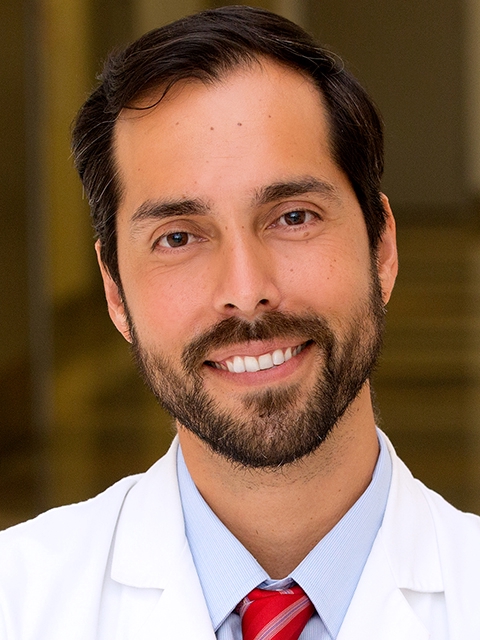
Jonathan Villena-Vargas
Assistant Professor of Cardiothoracic Surgery at Weill Cornell Medicine specializing in thoracic oncology and immunotherapy research
1
APPEARANCES
1
PODCASTS
Jul 16, 2026


Erin GillaspieHOST
What are some of the other key highlights that you think are really important to bring to our listeners from the ASCO 2026 meeting?
33:08

So I think the key takeaways are that, first of all, you have to have reflex molecular profiling.
33:15
And I think it's critical that you see now with the Libretto trial and RET, in addition to ALK and EGFR, I mean, you're really doing a disservice if you don't find these mutations and treat the patient accordingly.
33:33
I think that, you know, this concept of unresectable to resectable disease, which we see in the Lauren trial, was so critical for just kind of how we think of what we can do next, right? And just the same as you said, you know, who are we thinking is resectable, unresectable? What are the uncharted territories in stage three, stage four disease that we can potentially operate on? I think that's critical.
34:06
And I think that, you know, In addition to that, in addition to escalating and de-escalating and thinking about what the next steps are, we're seeing now that bispecifics and ADCs do work, right? They are making a big difference.
Erin GillaspieHOST
And What are you doing in your program to make sure that the multidisciplinary teams are interfacing seamlessly? How are you passing these patients from oncology to OR back to oncology? Give us your tips and tricks for making that as seamless and successful as possible.