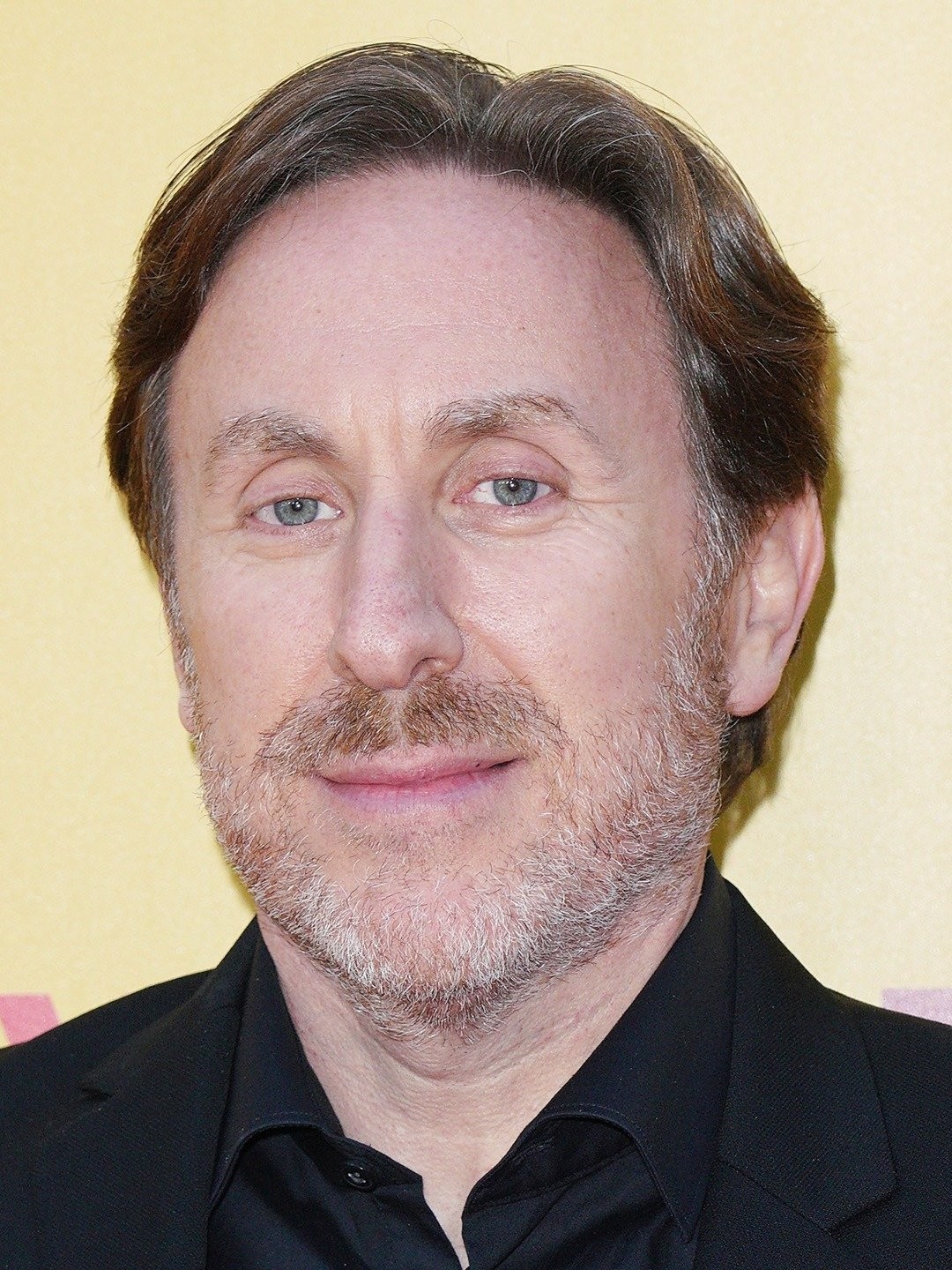
Jonathan Tropper
American author and writer
5
APPEARANCES
5
PODCASTS
Aug 19, 2026

16:27

And he has, despite, despite being a, a matinee, like a leading man, he's more than a matinee idol, um, he has an everyman quality to him.

Jonathan TropperGUEST
Um, what, what you know on screen but what's surprising when you actually sit down and work with him is how, both how funny he is and how savvy he is and he, he looks at scenes, you know, from a different perspective than I do.
Jonathan TropperGUEST
He looks at them from the perspective of somebody who has shot so many of them and done so many of them and he knows how to kind of, you know, you know, I've been looking at a scene a certain way for the last three months and then he reads it and suddenly comes at it from an angle that never occurred to me.
Jonathan TropperGUEST
And so there's something really additive about somebody with his resume and his life experience and his, and his wit, um, attacking, you know, scenes you've written to sort of find, you know, what's the more, w- what, what's the more kind of, uh, humanistic version of this? What's the funnier version of this? What's kind of a, you know, a better way out of this scene and like, you know, 'cause he has very strong instincts based on so many years of doing this.
Jonathan TropperGUEST
Um, and, and he definitely, like, you know, and then his voice gets in your head and, you know, very often when we were having meetings about the script he would offand- offhandedly say things and he would turn the phrase a certain way and I'd write it down and know that's gonna find its way into the movie even though he wasn't pitching it as dialogue 'cause he, he just has a really interesting way also of, of phrasing sentiment and emotion and conflict.
Jonathan TropperGUEST
... and I think I wrote the first draft, not in production when I wrote the first draft, so I had, I had a clean amount of time to write the first draft.


Jonathan TropperGUEST
I just know however fast we think is going to change things, it's going to be faster.
Jonathan TropperGUEST
And whether it's going to be a helpful tool or a disruptive force or both, I think I cling to the hope that art will still have to be created by the vision of humans, whether they're using AI to realize that or not is going to fracture a lot of things.
Jonathan TropperGUEST
I have trouble speaking to young writers only because I didn't work my way up in writers' rooms.

Jonathan TropperGUEST
I just know however fast we think is going to change things, it's going to be faster.
Jonathan TropperGUEST
And whether it's going to be a helpful tool or a disruptive force or both, I think I cling to the hope that art will still have to be created by the vision of humans, whether they're using AI to realize that or not is going to fracture a lot of things.
Jonathan TropperGUEST
I have trouble speaking to young writers only because I didn't work my way up in writers' rooms.


Jonathan TropperGUEST
We, we, um, when we sat down and looked at the book, um, we knew that to, to make it the kind of taut thriller we wanted it to be, we would have to invent certain plot and certain character and stay away from certain, uh, plot points in the book.
Jonathan TropperGUEST
And, and I had multiple talks with Marissa Stapley, the, the author of the book, um, who understood that, you know, doing seven episodes of television is very different than writing a 350-page novel or what it is.
Jonathan TropperGUEST
And so we really had her blessing to kind of, you know, take the theme she was exploring, primarily this father-daughter relationship, uh, the themes of, of redemption and reinvention and rediscovery.
Jonathan TropperGUEST
And, you know, we u- we used certain, uh, cornerstones of the book, and then we, we kind of invented some other characters.
Jonathan TropperGUEST
And, and we, we, we had to sort of really make the danger more immediate and more visceral.
6 MINS LATER


Brad GilmoreHOST
Did somebody bring the novel to you? How did this story get on the radar for you to want to go ahead and start to put the gears in motion?
Jonathan TropperGUEST
I got very excited at the potential for a show and the potential of working with Anya.