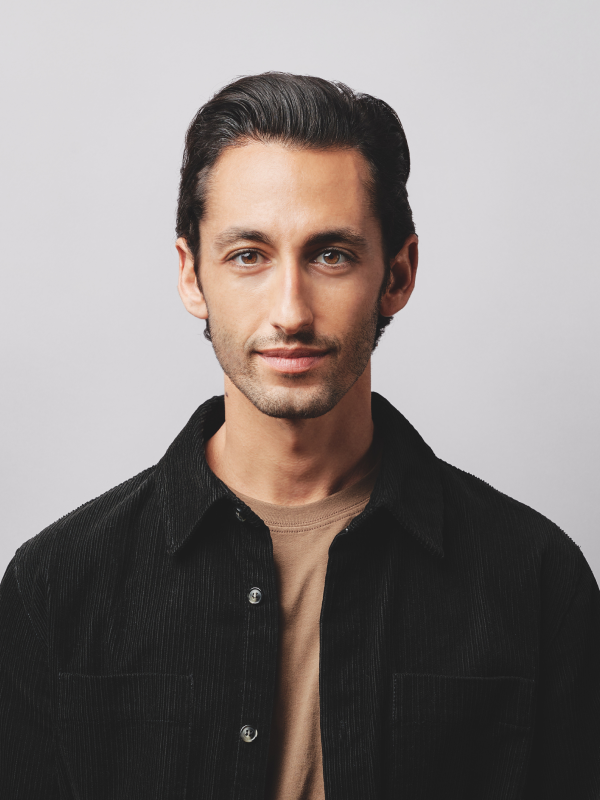
Jonathan Neman
CEO of Sweetgreen
7
APPEARANCES
6
PODCASTS
Oct 16, 2026


Jonathan NemanGUEST
And we literally stood there in front of the restaurant and played music and handed out samples.
Jonathan NemanGUEST
It created a little energy around the brand where it wasn't just this restaurant, but there was... a community built around it.
15 MINS LATER
Nick MartellHOST
And we were just curious, why do you think it's down and how do you get those customers back?


Jonah PlattHOST
We got nowhere healthy." It's, it's gotta be a very different experience since going public a number of years ago.
Jonah PlattHOST
Do you have the freedom to bring that OG creative expression to things, or do, do you have mandates and, you know?


Jonathan NemanGUEST
All right, so my hot take is that AI is not going to kill us, but processed food will.
Jonathan NemanGUEST
If you followed the news this summer, you saw a lot of news about a parasite called Cyclospora.
Jonathan NemanGUEST
And what we did is we took something that happens every single summer for as long as we know and used it as a way to scare people away from eating fresh and real foods and move them towards ultra-processed food, which we know will kill you.
Jonathan NemanGUEST
And so again, my hot take is that AI won't kill you, but ultra-processed foods will.

speaker_1HOST
So how do you convince people, uh, to not only come back to Sweetgreen, but overall just to trust, um, what you're selling? I, have you sort of, uh, planned any sort of marketing campaigns, uh, any more maybe greater disclosures about the farms and, uh, other, uh, uh, you know, uh, sources of your food?
Jonathan NemanGUEST
So going back 19 years ago when we started Sweetgreen, we had this pretty bold idea that we were gonna list every single farm that we source our food from on the wall and, and it to be fully transparent for every single restaurant in every single city, and we still do that today.
Jonathan NemanGUEST
So if you go into any si- any of our restaurants today, you will see a chalkboard listed with dozens and dozens of ingredients and where each, where, where those ingredients come from.
Jonathan NemanGUEST
What we do differently than most restaurants, versus going directly to a distributor to source our food, for the vast majority of our products we source directly with farmers.
Jonathan NemanGUEST
We spend a lot of time with them in making sure they are, how, how they're taking care of their soil, the conditions on the ground there are coming, are delivering food that is not only safe, but delicious and nutritious.
speaker_1HOST
I, I am curious, though, about, uh, just foot traffic overall and how much of the contraction that we saw in the most recent quarter and what was baked into your forecast, how much of that could actually directly be linked to the fears, uh, over cyclospora, and how much of that was just sort of longer term trends that Sweetgreen had already been dealing with prior to this outbreak?

Jonathan NemanGUEST
You know, in restaurants, it, the fundamentals wins championships, so it's really about delivering a consistent experience around quality and hospitality, and that gives you the opportunity to layer in the menu innovation.
Jonathan NemanGUEST
So right now, you know, we've been very focused on innovation for a while, and right now we're really just trying to dial in the basics.
Jonathan NemanGUEST
but also other systems to make sure you're, you're watching the quality of the food and listening to your customer.
9 MINS LATER


Jonathan NemanGUEST
Look, Y- Y- Dini, the question is, like, again, to Jonathan's point here, do you want to put resources and time in trying to get into, uh, stores and, and, and see if, if, you know, this can really, uh, drive business directly back to your business? Or do you wanna focus on creating a premium product that people will line up and pay for? And, and it's a, it's a important question to ask yourself because you could charge a premium price for what you're making.
Jonathan NemanGUEST
I mean, I, there's a, uh, a, a pizza place I used to go to in Berkeley, and the guy only opened from 5:00 PM to 8:00 PM, and you had to, uh, order it and Venmo the guy.
26 MINS LATER