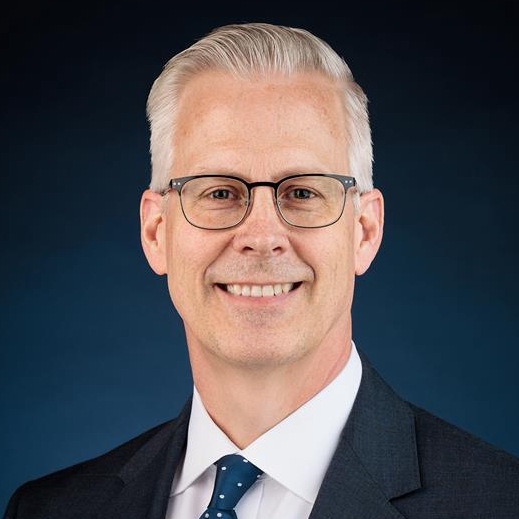
John Plake
Dr. John Farquhar Plake, Chief Innovation Officer at American Bible Society and editor-in-chief of the State of the Bible report.
3
APPEARANCES
3
PODCASTS
Oct 15, 2026


John PlakeGUEST
Well, I think a lot of Americans have a sense that there's something more than just this material world, and some of them, of course, are, are Bible-believing Christians, and when we look at people who are practicing their faith and involved in vibrant Christian communities, they're, they're overwhelmingly believing in God.
John PlakeGUEST
They're believing in, um, the interaction between the supernatural world and the natural world.
John PlakeGUEST
But I think even for people who are among those who have no religious affiliation at all, they're often sensing that there's something more out there, and so, um, they wanna believe, I think, that the good stuff is there and maybe not the negative side of that.
John PlakeGUEST
So they're, like you said, more likely to endorse belief in God, in heaven, and in angels than they are in hell, Satan, or demons.
John PlakeGUEST
But, um, across every one of those, a majority of Americans say, "Yeah, I believe in that," and somewhere between one in five and one in four, 20 to 25%, just aren't really sure, and I think those are folks that, uh, we'd love to be able to introduce to what the Bible says about these, uh, realities and the fact that, you know, God made us not just natural.
John PlakeGUEST
He made us natural and supernatural together, and that intersection is a, is a really interesting place to talk to Americans and to explore scripture.

Casey HarperHOST
So do you agree that's sort of like we're seeing, um, evidence here of to what degree people take the scripture seriously and the implications that it has for the world around us?

John PlakeGUEST
And so we thought it'd be a really good time to just take our neighbor's temperature again about AI and particularly AI and the Bible.
John PlakeGUEST
So for instance, we asked this question, what do Americans think about AI? So we said, I'm optimistic about the future benefits of using artificial intelligence.
John PlakeGUEST
And generally speaking, what we noticed was that the amount of not sure, which frankly, a lot of Americans are not sure about this.

Brian FromHOST
What does that look like? And what do you think some of the maybe the dangers are to using it to kind of gain biblical understanding, using it in your Bible study?


Billy HallowellHOST
But, you know, the, the other thing that stood out in the data, and I'd love for you to break this down, when you look at belief in God, belief in heaven, belief in angels, that's a little more prevalent, even though there's majority belief in all of these things, than hell and the devil and the more difficult or maybe, quote-unquote, "negative elements." Can you talk a little bit about that?
John PlakeGUEST
If there is a supernatural world, they want to believe that it's a benevolent supernatural world, and so they tend to believe in God, heaven, and angels to a higher degree than they would affirm a belief in Satan, hell, and demons.
Billy HallowellHOST
What did, what did you find when it comes to those individuals and some of these statistics and findings?