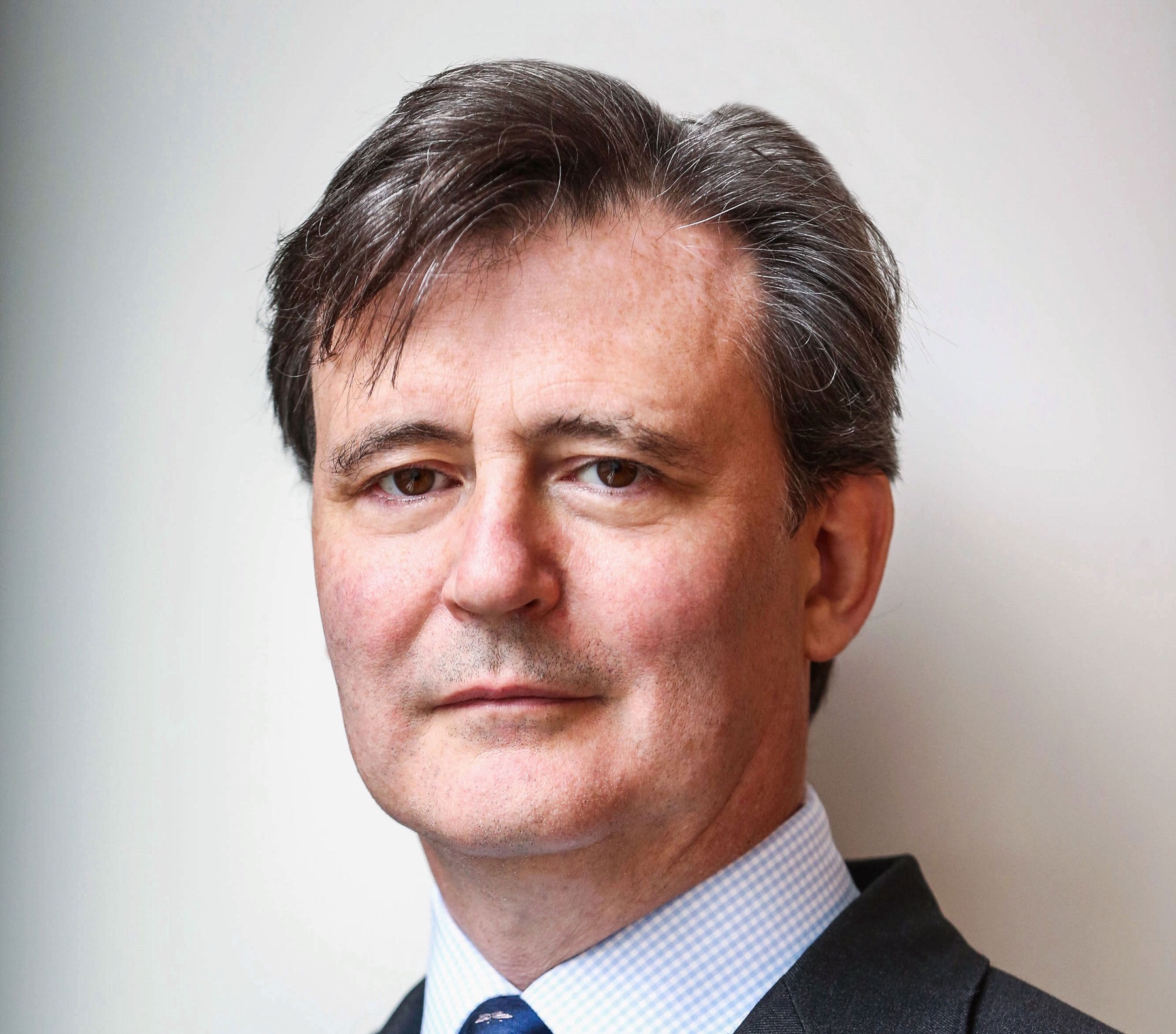
John Micklethwait
Editor-in-chief of Bloomberg News
8
APPEARANCES
5
PODCASTS
Jun 22, 2026


John MicklethwaitGUEST
He got into trouble almost immediately with, of a silly thing to do with kind of clothing expenses.
John MicklethwaitGUEST
He then did this thing to do with, um, pensioners and the winter fuel pavement, which sounds like rather, something rather archaic, but effectively is a way to help people keep warmer in the winter.
John MicklethwaitGUEST
But on the other hand, um, they, they, him and especially Rachel Reeves really did quite a lot of damage to the idea that this new version of the Labor Party, um, was something to get on with business.
speaker_9PANELIST
And do you think that Andy Burnham, will he be seen as a continuity candidate or a change candidate? I'm just thinking of what the biggest policy differences we could see under a potentially Burnham premiership.

John MicklethwaitGUEST
Um, I think he, you know, Greenspan was one of the great central bankers on multiple different levels really.
John MicklethwaitGUEST
Um, also kind of very cryptic in terms of the way he often communicated, um, to people.
John MicklethwaitGUEST
Goes back all the way to the fact that he, you know, he was involved with, with Ayn Rand and stuff like that.
Isabelle LeeHOST
What do you think is the biggest legacy that he left us with, especially now as the Federal Reserve and questions about its independence continue to hound markets and investors?

speaker_8UNKNOWN
Love to get your thoughts on Mr. Greenspan and his passing.
John MicklethwaitGUEST
Um, uh, I think he, you know, Greenspan was one of the great central bankers on multiple different levels really.
John MicklethwaitGUEST
Um, also kind of very cryptic in terms of the way he often communicated, um, to people.
John MicklethwaitGUEST
Goes back all the way to the fact that he, you know, he was involved with, with Ayn Rand and stuff like that.

Isabelle LeeHOST
What do you think is the biggest legacy that he left us with, especially now as the Federal Reserve and questions about its independence continue to hound markets and investors?

John MicklethwaitGUEST
Um, uh, I think he, you know, Greenspan was one of the great central bankers on multiple different levels, really.
John MicklethwaitGUEST
Um, also, kind of, very cryptic in terms of the way he often communicated, um, to people.
John MicklethwaitGUEST
Goes back all the way to the fact that he, you know, he was involved with, with Ayn Rand and stuff like that.
speaker_8UNKNOWN
What do you think is the biggest legacy that he left us with, especially now as the Federal Reserve, and questions about its independence continue to hound markets and investors?
John MicklethwaitGUEST
Um, uh, I think he, you know, Greenspan was one of the great central bankers on multiple different levels really.
John MicklethwaitGUEST
Um, also kind of very cryptic in terms of the way he often communicated, um, to people.
John MicklethwaitGUEST
Goes back all the way to the fact that, you know, he was involved with, with Ayn Rand and stuff like that.
Isabelle LeeHOST
What do you think is the biggest legacy that he left us with, especially now as the Federal Reserve and questions about its independence continue to hound markets and investors?

13:54

It wasn't just they're gonna spend more on defense, but they're gonna actually be seriously thinking about alternatives to the US or some kind of diversification away from the US if they're thinking about defending themselves from Russia.
John MicklethwaitGUEST
There's one European leader who rather nicely told me, and I'm gonna get it slightly wrong, that, you know, the way in which Europe proceeded was you have lethargy, you then have crisis, chaos, and then you end up with a suboptimal solution of sorts.
John MicklethwaitGUEST
And I think they're somewhere in the kind of chaos towards the suboptimal solution stage of it at the moment.
John MicklethwaitGUEST
I think that Greenland, no matter how often the Trump administration now tried, or people around the Trump administration tried to say, "Oh, it really didn't matter that much," I think it really did matter.
John MicklethwaitGUEST
I think it struck through right into the, some of the main leaders in Europe, that they realized that they, they, they can't rely on America.
John MicklethwaitGUEST
Many of them might hope that a different administration would be more supportive, and many of them might even have looked at Rubio and thought, "Well, if he was running it, this would be, you know, we could deal with this." But the idea that they can necessarily a hundred percent rely on that, I, I think is, is now out.
John MicklethwaitGUEST
You've even got Germany looking at, you know, what the nuclear options are for it.
10 MINS LATER
25:27
Do you think that the Europeans were buying that, or do you think that it is gonna be very difficult for any future president to be trusted in the same way?

John MicklethwaitGUEST
It seems to be basically, I think there's a lot of faith in those companies that aren't in the MAG 6 or MAG 7.
John MicklethwaitGUEST
And I just wondered what kind of names are they? Because everyone's made so much money historically by being with Meta and whatever.
John MicklethwaitGUEST
Now suddenly, if you're right, and those are being sidelined a little, what are the sort of names that you would see in this new wave of American innovation?
John MicklethwaitGUEST
I think what has been noticeable so far is you could see to some extent America from a kind of geoeconomic point of view almost doing what you would not want to do, what it used to do to other countries, where you sanction countries like Iran by stopping them being able to import things, stopping people going there.
John MicklethwaitGUEST
America is now to some extent doing it to itself in the same way as Britain did with Brexit.
8:46
How would you say the world has changed, and particularly the sort of foreign policy and financial markets?

John MicklethwaitGUEST
What Brad said about tech is actually quite true of business in general and not just linked to Trump.
John MicklethwaitGUEST
I mean, I think if you look around the world compared with, say, eight years ago, business people everywhere sense both more fear and more opportunity in their relations with government.
John MicklethwaitGUEST
The idea when I first started coming to Davos that business was this wonderful thing that existed outside the realms of government And it was all about kind of doing good and all that sort of stuff.
John MicklethwaitGUEST
Now, business people realize that you can both get clobbered by government, and that applies from Trump, but it also applies to the European Union and lots of other places.
John MicklethwaitGUEST
But also, it's a chance for enrichment, as TikTok is suddenly discovering, and lots of other people.
John MicklethwaitGUEST
The people in the Midwest now will be thinking, well, maybe we can make money out of tariffs if they come our way.
17 MINS LATER