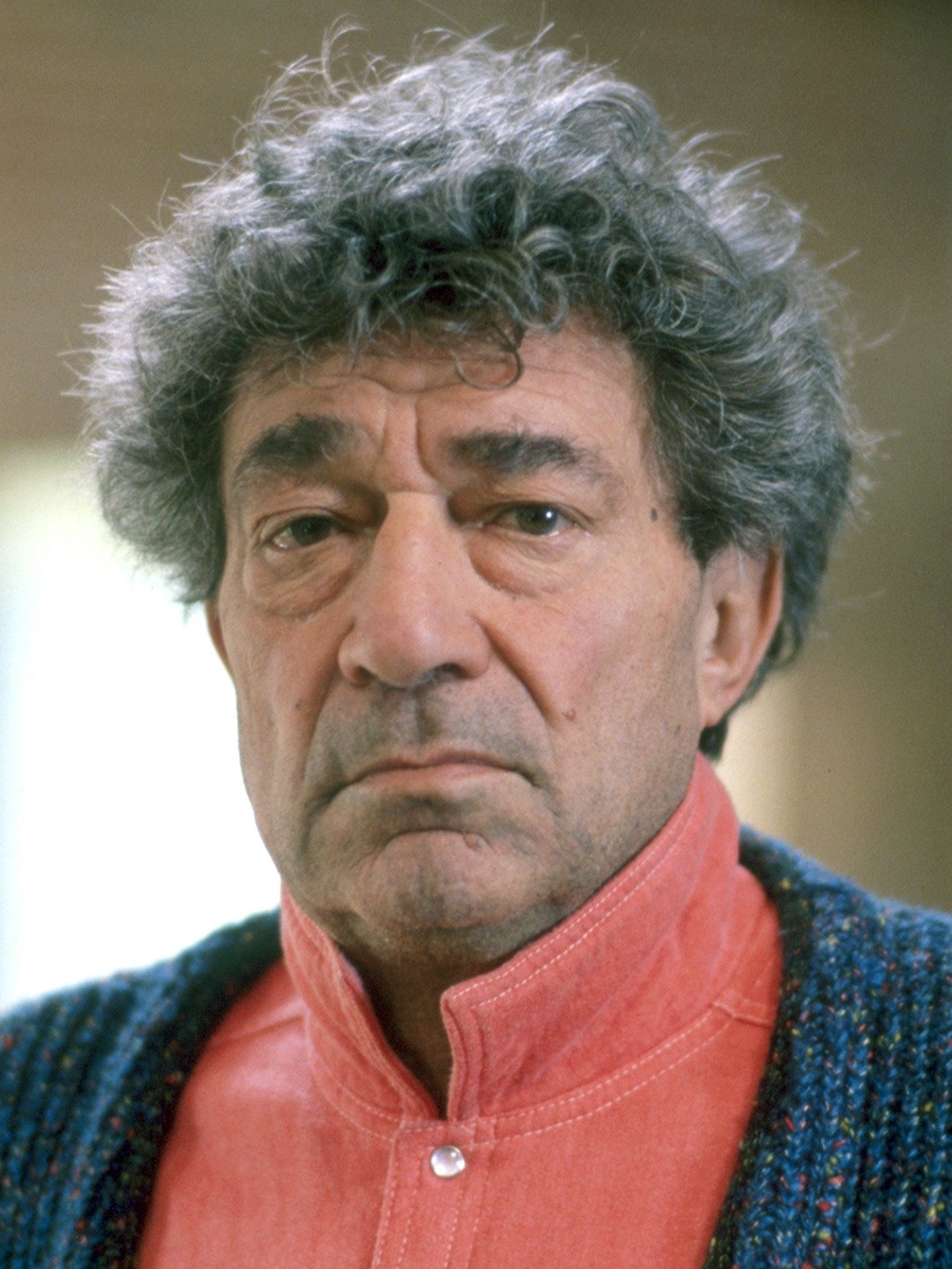
John Berry
John Berry is the Director of the Honolulu Zoo in Hawai'i, a former Director of the Smithsonian National Zoo and National Fish and Wildlife Foundation, and former U.S. Ambassador to Australia.
7
APPEARANCES
7
PODCASTS
Sep 15, 2026


Kathryn RyanHOST
But how do you come at the question of how much is enough and whether these settings are going to be enough?

John BerryGUEST
One is, um, in terms of averages, really difficult to look at averages and just try and solve for the average because everyone's circumstances is different.
John BerryGUEST
So first of all, you need to think about someone coming into retirement, where are they at? Um, and it, it varies widely.
John BerryGUEST
Um, so fifteen percent of people in retirement still have a mortgage, another fifteen percent are renting.
John BerryGUEST
Um, and, you know, the Retirement Commission says forty percent in retirement have virtually no income beyond New Zealand Super.
John BerryGUEST
So you've, you've got a, at one end, you've got people that need help and need assistance in retirement.
Kathryn RyanHOST
But the, th- let's just start at the six point six that National's put up, which is the higher of the two policies out of the two biggest parties, right? Uh, i-i- is that where things should be as far as you're concerned, or again, would you go even higher? What do you make of the six point six, the six plus six?

John BerryGUEST
And that's often where a lot of people go to straight away is, is there a compromise on returns? And, you know, let's be really clear with ethical investing, it is investing.
John BerryGUEST
And at Pathfinder, we're managing people's KiwiSaver money, it's their retirement money, huge responsibility to generate the best returns we possibly can for their retirement.
John BerryGUEST
So around returns, firstly, I'd say, you know, go on Claude or ChatGPT or Google and ask that question and you will find universally the evidence globally, the academic evidence globally is that long-term returns are not impacted by ethical investing and you'll get at least a market return.
12 MINS LATER


John BerryGUEST
know, sadly right now, a number of our wild bird species here on the islands are experiencing real threats.
John BerryGUEST
And for our honeycreepers, which are small nectar gathering birds, they are facing the most serious threats and populations are crashing in the wild.
John BerryGUEST
And it is not often where the State Department of Land and Natural Resources and the US Fish and Wildlife Service sort of declare an emergency and ask to bring in a wild population that could serve as an arc for the future if we lose the populations in the wild.
John BerryGUEST
And at the Honolulu Zoo, along with our partner, the San Diego Zoo, working with many partners on the island, and just are right now focusing on a bird called the ani-aniao.
John BerryGUEST
And it was protected and had survived all these years on the mountaintops of Kauai.
8 MINS LATER


Liam DannHOST
Are there sort of redemption risks that you've got to kind of account for with whoever's in there?
John BerryGUEST
Look, a diversified portfolio should have an allocation, a large allocation to listed markets, a small allocation to private markets.
Liam DannHOST
Can you imagine what some of those KiwiSaver funds would look like if they'd bought SpaceX stock somehow 19 years ago, right? They'd be absolutely...


Garth BrayHOST
Are there sort of redemption risks that you've got to kind of account for with whoever's in there?
John BerryGUEST
Look, a diversified portfolio should have an allocation, a large allocation to listed markets, a small allocation to private markets.
Garth BrayHOST
what some of those KiwiSaver funds would look like if they'd bought SpaceX stock somehow 19 years ago, right? They'd be absolutely...

Samantha DonovanHOST
If we do in fact see a total reopening of the Strait of Hormuz, as Donald Trump seems to be saying will be the case, how long do you think it'll be before trade gets back to normal?
John BerryGUEST
Uh, when it comes to energy, uh, it may never get back to a pre-conflict, uh, normal.
John BerryGUEST
That's because once shippers start to return to sending their vessels through the strait, which could take some time because there'll still be some nerves around whether this agreement could collapse and there could be a return to fighting, or there could be an errant mine or something like that.
John BerryGUEST
So already there's gonna be a fairly slow and cautious rebuilding of traffic, one would think.
John BerryGUEST
But then the other question is just how much damage has been sustained to the oil and gas production and the fertilizer production and the other facilities in the Persian Gulf, many of which have been struck by drones and missiles during the fighting.
Samantha DonovanHOST
And which other commodities will analysts like yourself be watching closely to see how quickly the supply back into Australia improves?


John BerryGUEST
And it got to be time for thinking about, well, maybe we're going to be near retirement, but let's go home.

Kevin AllenCORRESPONDENT
Do you see things that you'd like maybe changed or improved on or, you know, I guess kind of what's your first reaction?