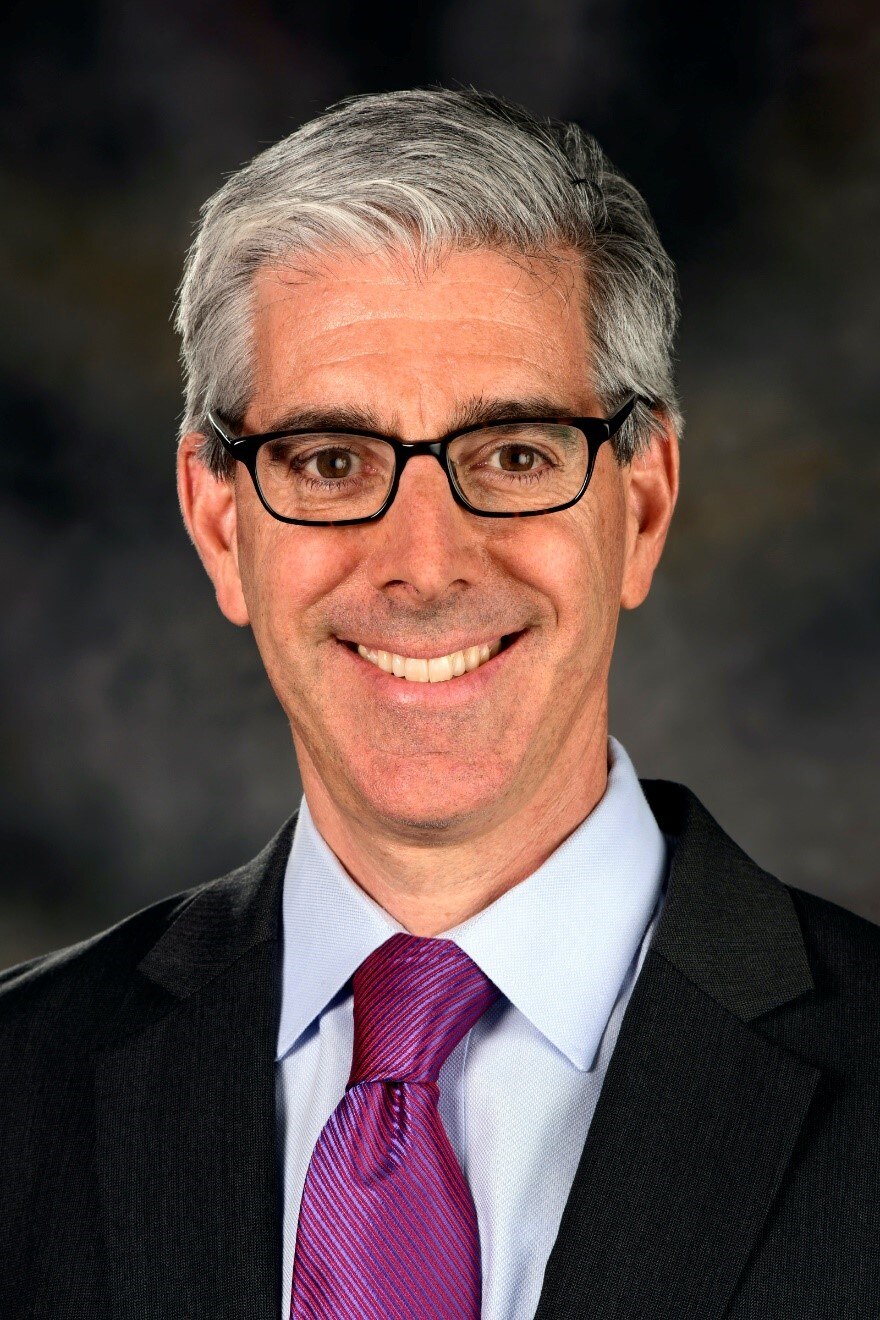
John Balbus
Researcher
1
APPEARANCES
1
PODCASTS
Oct 1, 2026

33:43
And, and so I guess my question for each of you is, 'cause you've now both worked in government and now sort of post-government, is, is the government the right place for some of this work to be happening?

John BalbusGUEST
I mean, this started with private sector initiatives because they made economic sense, they made business sense.
John BalbusGUEST
In a lot of cases, the greatest institutions, um, on sustainability are doing it because they really see it aligned with their missions.
John BalbusGUEST
If you look at the hospitals around the country and the health systems around the country that have been the most stalwart and, you know, consistent leaders in this field, many of them are religious institutions, and they will say very explicitly that they see stewardship of the Earth, um, as being part and parcel with their primary mission of caring for the health of individuals.
39:04
And so, so how do we just take that step back with that first basic concept that science is science, and we have to believe the science, or we have to tr-- maybe not believe, we have to trust the science, right? Like we-- there has to be an inherent sense that that is sort of our best source of guidance.