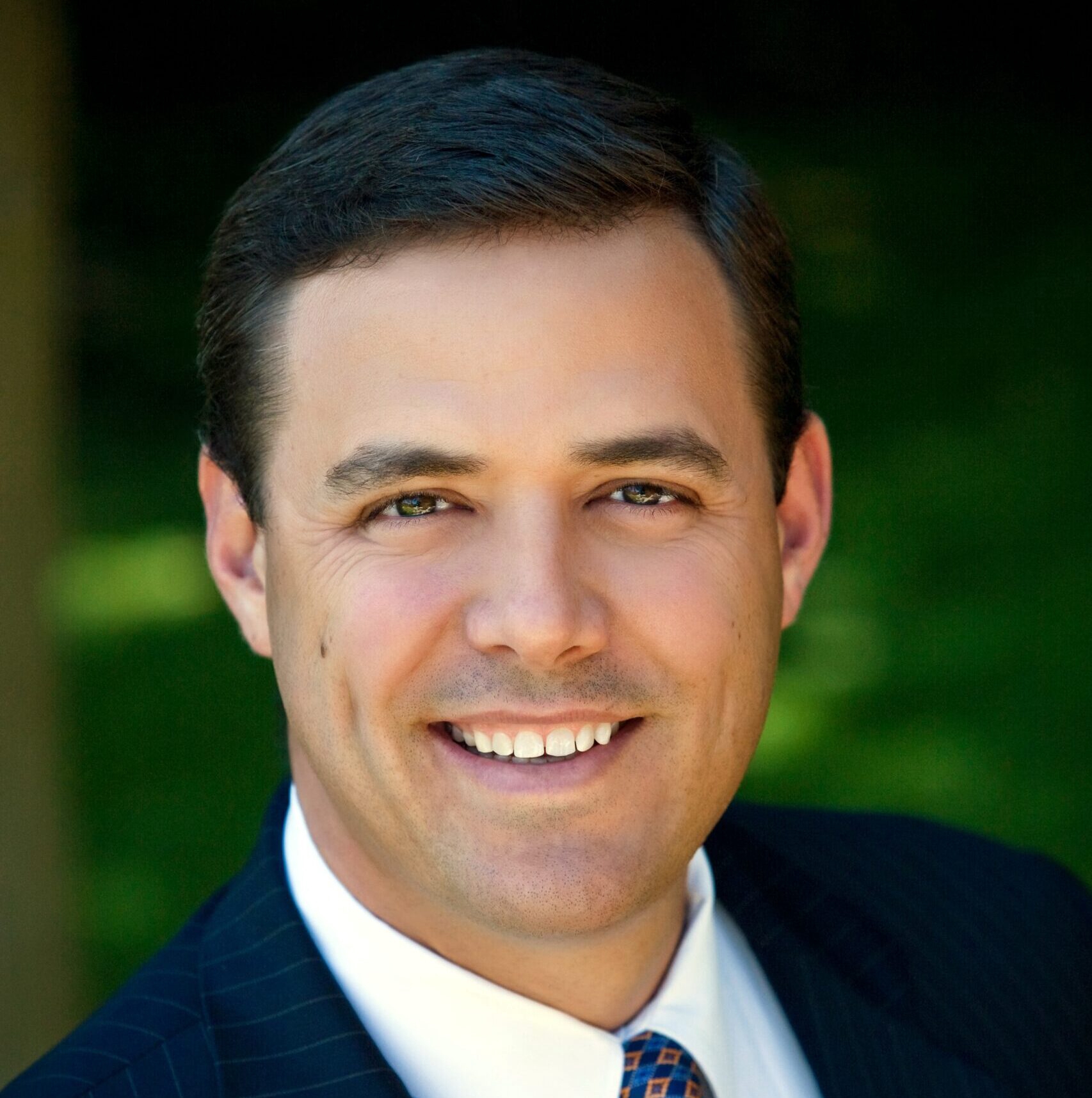
Joe Yaffe
COO & CLO of Cowboy Space Corporation, a $2B space startup building orbital energy grids and AI data centers; formerly Managing Partner of Skadden's Palo Alto office
3
APPEARANCES
2
PODCASTS
Aug 18, 2026


Michael KoenigHOST
So what's enabling your ability to be cost competitive with terrestrial GPU per hour prices?

Joe YaffeGUEST
Yeah, it's kind of, I would call it the magic of the architecture and what we have realized.
Joe YaffeGUEST
Let me start from kind of a basic, another basic observation, which is that if you look at how commercial space has evolved and really the space launch business as a whole, whether private sector or government, it's evolved so you have a first stage of a rocket, And a second stage, which carries payloads, which are usually, you know, the vast majority of the time, smaller flat satellites that are packaged inside that second stage of the rocket.
Joe YaffeGUEST
And then when that second stage is lifted into orbit, those satellites are dispensed from the second stage and spread out over lower orbit.
Joe YaffeGUEST
That makes a lot of sense based on the primary use cases for government and commercial launch over the last two to three decades.
Joe YaffeGUEST
Namely, if you look at what's dominated the commercial sector, it's been telecom satellites, earth observation satellites, and government satellites doing other various things on behalf of our government.
19 MINS LATER
Joe YaffeGUEST
... versus two-way doors, but I think it's a really effective metaphor, um, because there are some, some...
Joe YaffeGUEST
So, what you're really talking about are decisions that you're going to make, which once you make them, are going to dramatically impact either your timing roadmap or the cost of operating the business if it turns out to be a bad decision, and that's what I think of as a one-way door.
Joe YaffeGUEST
You know, or it's a decision that is gonna dramatically impact the strategic trajectory of the coun- of the company, and if you've decided it was the wrong decision, you're gonna be setting yourself back just in terms of the comp- the company's development.
15 MINS LATER

Joe YaffeGUEST
So Cowboy Space Corporation, the company was started by Beji Bhatt, who co-founded Robinhood, was co-CEO at Robinhood, longtime friend and client of mine in my prior life, with a mission to build the first orbital energy grid.
Joe YaffeGUEST
The basic thesis of the company is that space is a new industrial sector that it's a natural place within which to conduct a lot of business and it is a result of a variety of things technological developments in large part due to the efforts of of other companies over the last several decades you know together with some of the most pressing needs on the planet make space the right place to be doing things like powering, for example, AI data centers.
Joe YaffeGUEST
The original idea of the company was actually to not only build an orbital energy grid, but build applications to plug into that grid and take advantage of the limitless supply of power in low Earth orbit from the sun.
25 MINS LATER
Cameron HeroldHOST
What do you think shifts for a leadership team with your approach to kind of the day-to-day? Like what do you focus on day-to-day, week-to-week, month-to-month right now when you're small at 60 people, but when you've also raised all this money, what do you focus on? What are you doing? I