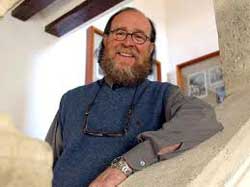
Joaquín Díaz González
Spanish folklorist and singer
1
APPEARANCES
1
PODCASTS
May 1, 2026

Evan HendershottHOST
So what were the general findings of your research? You obviously mentioned thatThere were some pressures not to report near misses, but did you find any specific pressures or did you find any specific issues that arose when you d- were doing these 15 interviews?
Joaquin DiazGUEST
At-- As I was developing this, I had to come up with a conceptual framework for how I would draft my questions to get the responses that dig deep into those experiences.
Joaquin DiazGUEST
So I used what's called a theory of planned behavior, and the theory of, uh, planned behavior has three elements to it.
Joaquin DiazGUEST
One is this volitional control, meaning a person believes that they have control over a specific action or behavior.
Joaquin DiazGUEST
A subjective norm is how this behavior is viewed by others, and an attitude, person's feeling and evaluation of the behavior.
Joaquin DiazGUEST
So reconstruct-- constructed the framework of the interviews from those three concepts within the theory of planned behavior, and within that, developed three research questions that had to be answered with this.
7 MINS LATER
Carly TroutHOST
Do you think the employers and the safety leaders on the project would be surprised by those findings? And secondly, what do you hope this research, how do you hope it influences safety professionals and project teams when they approach worker engagement in the future?