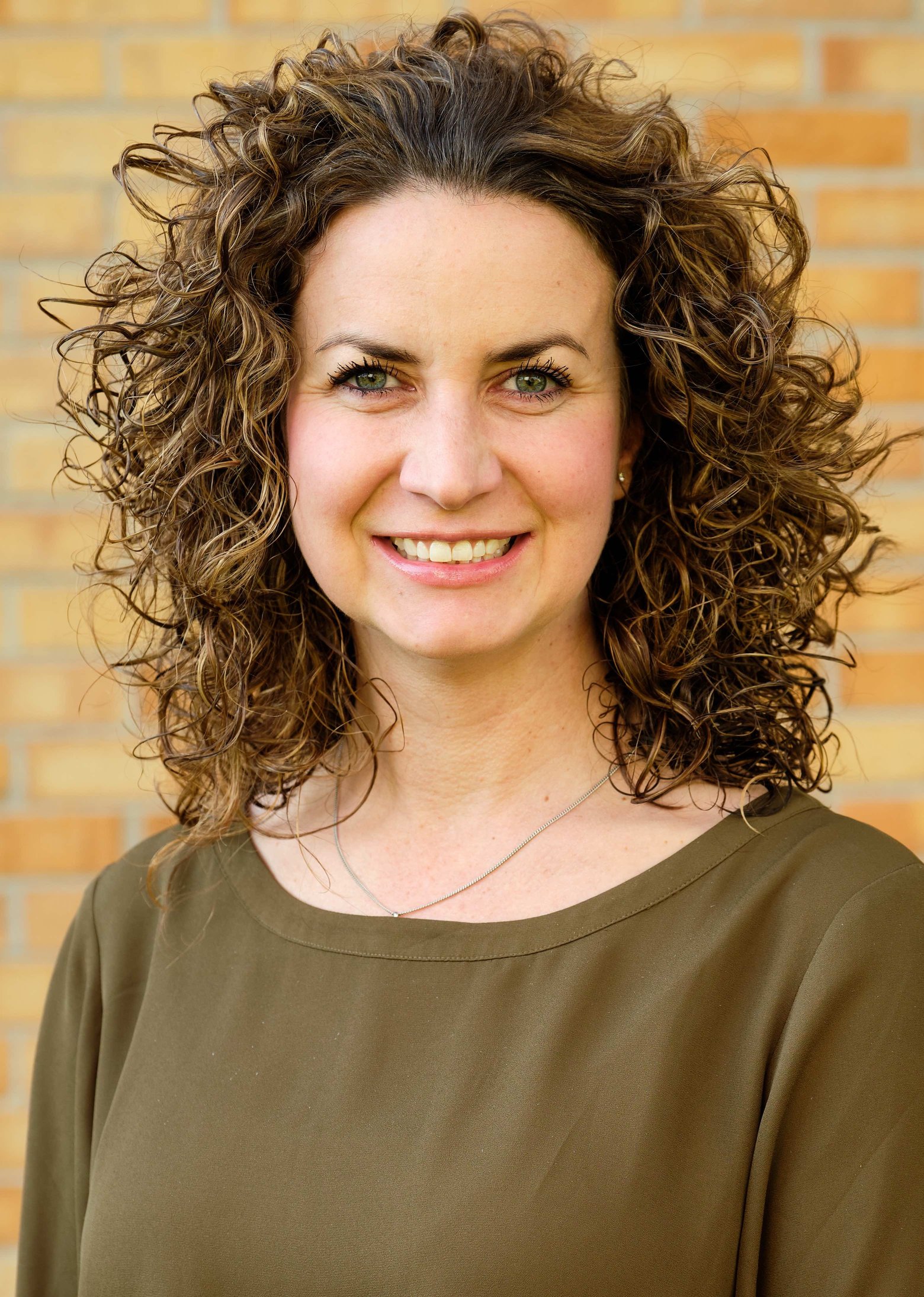
Jessica Bartley
3
APPEARANCES
3
PODCASTS
Sep 9, 2026


Sharon ChirbanHOST
Is there a way that your team helps individual athletes stay inside of themselves or grounded? I think we

Jessica BartleyGUEST
I think we're working a lot on... identifying their people, identifying their support system, identifying their skills, really understanding what is going to put them at their best.
Jessica BartleyGUEST
Are they worried about someone who's going to be asking for tickets at the last minute? So how do we kind of assign roles in their system? How do we understand how their system around them works? And then we also work with their system.
Jessica BartleyGUEST
In the International Olympic Committee, they've, you know, kind of coined the frame entourage.
Jessica BartleyGUEST
So anybody that's in that circle, we want to work with, whether it's their agent, their coach, their medical staff, who's in the entourage and how do we also set the entourage up for success as well.
9 MINS LATER
Sharon ChirbanHOST
Is there a way in which the demands of the role that you're in now place any particular tension or stress on you?


Jessica BartleyGUEST
... there's been a lot that's been done on imagery and visualization, that if you were to look and take an fMRI machine, the same neurons are firing.
Jessica BartleyGUEST
And so if you are shooting a basketball or you're thinking about shooting a basketball.
Jessica BartleyGUEST
The reality is you need the baseline physical skills, but you can get additional reps.
Jessica BartleyGUEST
You can think, "What am I gonna do if my s- foot slips here? What am I gonna do here?" And what I've often said is the best of the best athletes, you know, take the 100-meter dash, like you're running and you wanna think about having the perfect race.
12 MINS LATER

Flora LichtmanHOST
Jessica, for high-performance athletes, I mean, is there a risk to not competing?

Jessica BartleyGUEST
Yeah, I mean, that's the great thing is we have individual services, we have team services, we've got a number of contracted providers that are also here full time providers that have long standing relationships with a number of athletes and teams.
Jessica BartleyGUEST
And so It can look really, really different as far as like the actual session.
Jessica BartleyGUEST
Some of the other things we've done over the past few years is we have integrated mental health screens into all of our physical health screens.
Jessica BartleyGUEST
We're asking really regularly about anxiety, depression, drugs, alcohol, sleep, and eating disorders.
15 MINS LATER

Sarah SpainHOST
What are some of the ways you've seen it impact athletes? And do you notice it consistently showing up in medalists versus non-medalists versus the folks who have a great outcome or the folks who are disappointed with how they did?