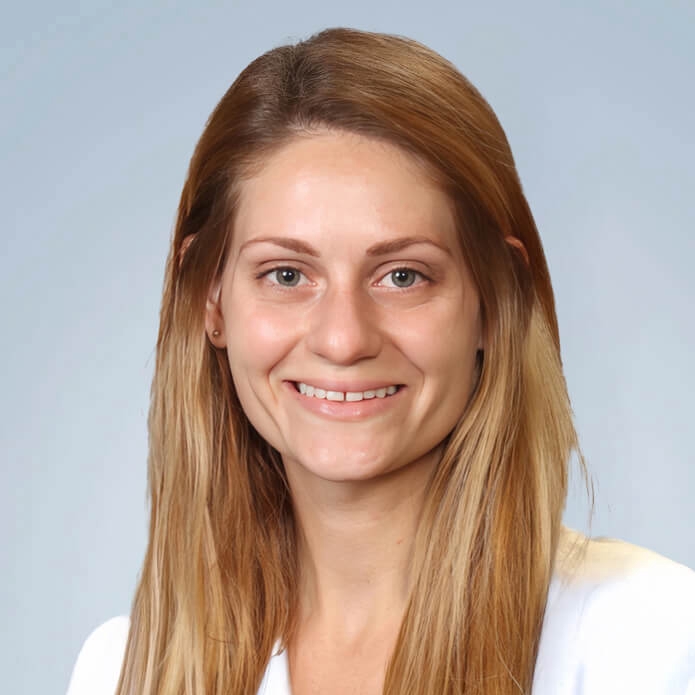
Jensen Reckhow
Reproductive endocrinology and infertility fellow; MD, MPH from Ben-Gurion University and Yale; Mayo Clinic physician and research contributor in fertility preservation and gender-diverse reproductive care.
1
APPEARANCES
1
PODCASTS
Jun 7, 2026


Francesca BarrettGUEST
And also just given the fact that we're not able to meet the demand and medic- the demand for women who actually have medical needs for GCs, those women should have better access and be able to use GCs as opposed to those who have elective reasons for wanting to use one.

Jensen ReckhowGUEST
In response to the coercion issue, again, I think that goes beyond the scope of what the indication for the GC is, because that's an issue regardless, and the risk that the GC is facing in that regard doesn't depend on what the IP's medical indication or lack thereof is, right? If someone's at risk of coercion, they're at risk of coercion, and it's not about if the IP's reason for wanting a GC is, like, good enough medically for us.
Jensen ReckhowGUEST
And so I think those are-- n- not to, like, brush that issue under the rug because it is a really important consideration in this, but I think it's just, it's not quite what this issue is about.
Jensen ReckhowGUEST
This issue is, like, are we-- do we trust ourselves to be able to say, "This is a medical indication and this isn't," and to feel comfortable wielding that power and that kind of paternalistic approach over patients today, knowing that in the past we haven't done a good job with it, with something as egregious as gender dysphoria, ever considering that that was not an indication, is shameful, I think we can all agree.
Jensen ReckhowGUEST
And so do we wanna risk putting other things in that category? Because ultimately, we do have to define elective.
Jensen ReckhowGUEST
If we're going to say that you can't do something electively, we need a definition for what that means, and we-- we're saying that we're gonna draw a line somewhere.
Jensen ReckhowGUEST
And I think our main argument is just that we, you know-- humbling for us, but maybe we're not great at drawing that line.
8 MINS LATER
30:20

they were randomly assigned to one side, not necessarily asked to pick a side that they agree with.