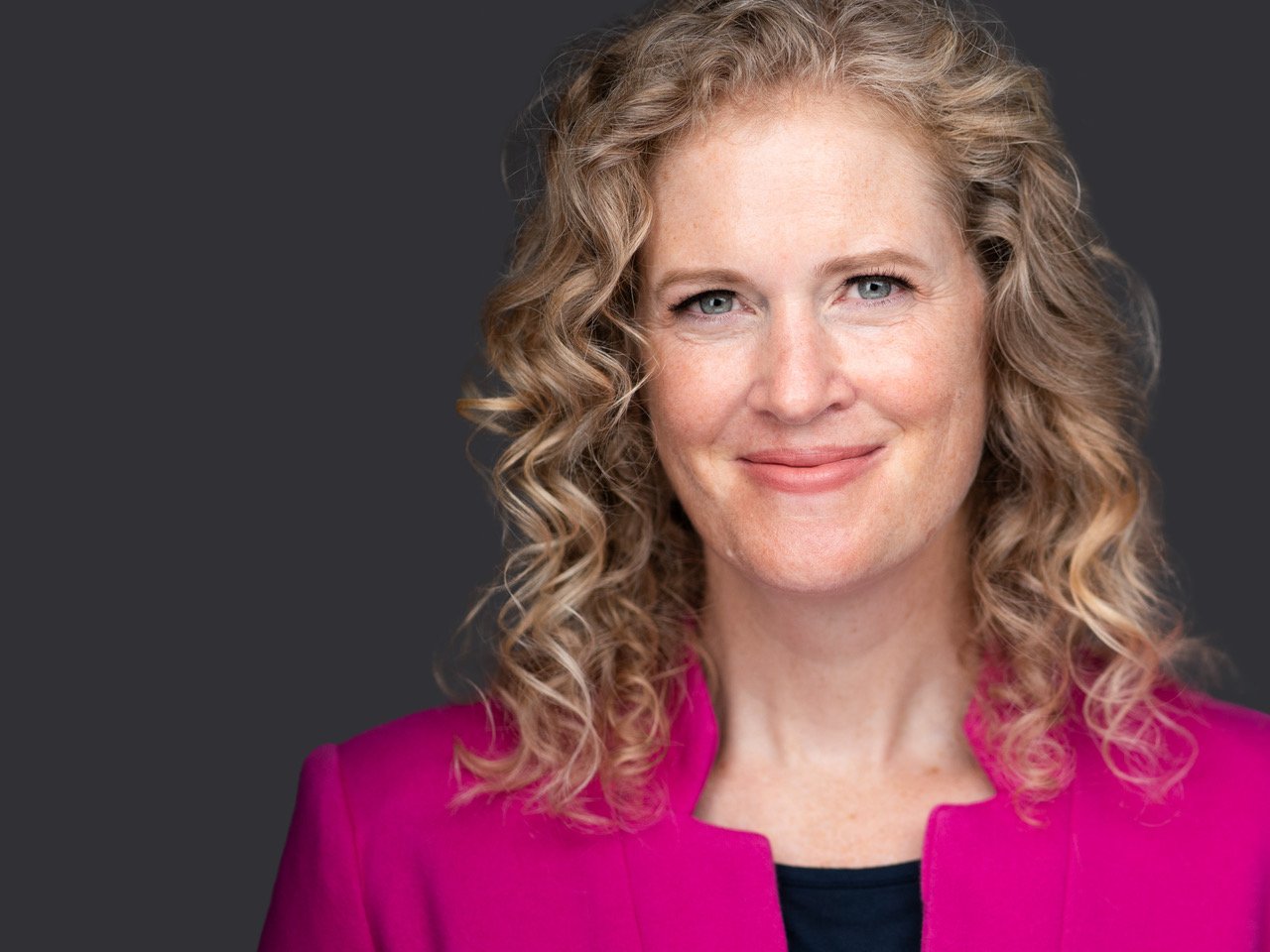
Jen Sovada
5
APPEARANCES
5
PODCASTS
Nov 5, 2026

Jeff RankeHOST
Is the bigger challenge here, is it just there isn't enough time in the day to get to all these things? Is it just the turnover and personnel? Is it a training issue? What do you see some of the biggest challenges in really solving some of the more simpler elements that could prevent or at least make the hackers work a little harder, I guess?

Jen SovadaGUEST
I think one of the biggest challenges is that many people think their systems are air gapped.
Jen SovadaGUEST
The amount of times that I've heard from a small municipality or a large organization is like, I'm air-gapped, I'm fine.
Jen SovadaGUEST
And if they want to pull up their phone, I'm like, no, no, don't you understand that even because you have the access on your phone that you are not air-gapped any longer.
Jen SovadaGUEST
I also think another big challenge is... on the education side, understanding that IT technology does not solve OT problems and cannot protect you from a cybersecurity perspective.
7 MINS LATER

Jeff RankeHOST
Is the bigger challenge here, is it just there isn't enough time in the day to get to all these things? Is it just the turnover and personnel? Is it a training issue? What do you see some of the biggest challenges in really solving some of the more simpler elements that could prevent or at least make the hackers work a little harder, I guess?
Jen SovadaGUEST
I think one of the biggest challenges is that many people think their systems are air gapped.
Jen SovadaGUEST
The amount of times that I've heard from a small municipality or a large organization is like, I'm air-gapped, I'm fine.
Jen SovadaGUEST
And if they want to pull up their phone, I'm like, no, no, don't you understand that even because you have the access on your phone that you are not air-gapped any longer.
Jen SovadaGUEST
I also think another big challenge is... on the education side, understanding that IT technology does not solve OT problems and cannot protect you from a cybersecurity perspective.
7 MINS LATER

Jen SovadaGUEST
So if we think about operational technology systems, we have a space segment, we have a launch segment, and we have a ground segment, and you've got the payload in the bus, and you've got, you know, servos and gyros and all sorts of things that move the spacecraft.
Jen SovadaGUEST
Well, if the controller gets modified through software, then you could send the spacecraft into an orbit that was not planned.
Jen SovadaGUEST
From a launch segment, you have the rocket itself and the ground support and the ground systems and all of the things that control that functionality of what you're doing in space, whether it's taking images, whether it's listening to things, whether it's providing communications.
Jen SovadaGUEST
And if you are able to impact the ground segment by changing some of the hardware, programmable logic controllers and other things, you might be able to impact the space segment.
Maria VarmazisHOST
What, uh, what- how would you describe the maturity of that ecosystem right now in terms of recognizing the risk that's there or, or maybe trying to proactively get in front of it?
Jen SovadaGUEST
I think they believe that if they're cyber secure from an IT perspective, that they're, they'll be fine.

Jen SovadaGUEST
So if we think about operational technology systems, we have a space segment, we have a launch segment, and we have a ground segment.
Jen SovadaGUEST
And you've got the payload and the bus, and you've got, you know, servos and gyros and all sorts of things that move the spacecraft.
Jen SovadaGUEST
Well, if the controller gets modified through software, then you could send the spacecraft into an orbit that was not planned.
Jen SovadaGUEST
From a launch segment, you have the rocket itself and the ground support and the ground systems and all of the things that control that functionality of what you're doing in space, whether it's taking images, whether it's listening to things, whether it's providing communications.
Jen SovadaGUEST
And if you are able to impact the ground segment by changing some of the hardware, programmable logic controllers, and other things, you might be able to impact the space segment.
Maria VarmazisHOST
What, uh, what- how would you describe the maturity of that ecosystem right now in terms of recognizing the risk that's there or, or maybe trying to proactively get in front of it?


Ben YelinHOST
Since you've kind of had your, uh, foot on both sides, are there misconceptions that are worth addressing both about the public sector and the private sector?
Jen SovadaGUEST
The first one is when you're in government, there's also always this misperception that you can't talk to the private sector.
Jen SovadaGUEST
"Oh, we can't talk to them, you know, they're just gonna sell us something, and we don't wanna to interfere with an acquisition or procurement because we wanna be fair to everyone." When in reality, it's encouraged that you talk to the private sector.
8 MINS LATER
Ben YelinHOST
And can you talk a little bit about the context of the AI revolution, just how that changes these public-private partnerships, and what are the novel concerns that those pr- uh, present, and has it changed your perspective on building these relationships?