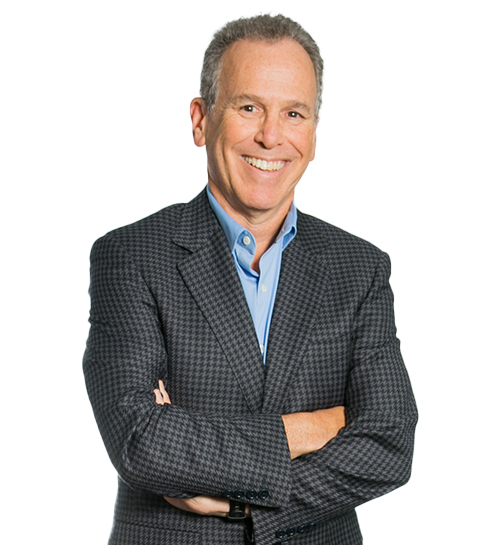
Jeffrey Rosenberg
18
APPEARANCES
9
PODCASTS
Oct 2, 2026

Jeffrey RosenbergGUEST
You know, we'd, we'd already pretty much taken October off the table, and as you guys have discussed, you know, this is really not a jobs-driven bond market and Fed.
Jonathan FerroHOST
And Jeff, the damage done to fixed income, how are you and the team thinking about engaging with fixed income given the rallies we've seen this morning but off the back of some real destruction over the last several months, not just in sovereigns, not just in the US, but France too this morning, but also in credit increasingly in the last week?


Tom KeeneHOST
How do you simplify this nuts- ... finance world we're in right now? How do you bring it down for Mom, Dad, your kids?
Jeffrey RosenbergGUEST
Well, the big question, Scarlet and I were talking about this, uh, before, uh, you know, bonds have made it into the regular media, and people are wondering, eh, what's going on, and is the bond market freaking out? And, you know, a very simple way of, of kind of understanding what's going on in interest rates is interest rates reflect the marginal cost of capital.
Jeffrey RosenbergGUEST
And what we're seeing in the market is a reflection of a lot of demands for capital, right? We have growth that's accelerating.
Jeffrey RosenbergGUEST
We have capital expenditures from the AI investment that are accelerating.
Jeffrey RosenbergGUEST
All of this on top of our regular amount of corporate bond financing, mortgage-backed security financing, refinancing activity.
Tom KeeneHOST
... our personal finance? Do we adjust? Scarlet's too young to remember this, but Jeff, do we have to adjust back to what we knew, a higher interest rate regime?

Scarlett FuHOST
How much should we focus on the U.S.'s fiscal problems driving bond yields higher when it feels like every developed country has the same problem?
Jeffrey RosenbergGUEST
A simple way to think about that, and I'm glad you brought up the global perspective.
Scarlett FuHOST
What's left at his disposal? I mean, if he were to intervene in some way, does government intervention work to lower bond yields?

Ash PatelHOST
When your investors say, what's your exit plan? How do you even answer that question?
Jeffrey RosenbergGUEST
But we do tell our investors that many of the properties that we bought are generational and that if we have an opportunity to keep them for a longer period of time, we will.
Jeffrey RosenbergGUEST
So as we discussed earlier, you know, last year, we rolled up seven of our iconic properties into a core fund.
9 MINS LATER

Jeffrey RosenbergGUEST
It's a struggle because we're fighting against an incredible marketing machine that overwhelms them with positive and, and, and, and false hopes, right? The odds are not right.
Jeffrey RosenbergGUEST
So I try to remind them that You know, wh- why are these gleaming casinos and then these gleaming apps with all these advertisements paying all these celebrities a lot of money? Where do they get the money to do that? Well, they get it from the losers.
Jeffrey RosenbergGUEST
Although separately, there have been some interesting stories recently a-a-about the, the degree of concentration of winners and losers.
Jeffrey RosenbergGUEST
Uh, but what, what the math tells you is that, uh, casinos have figured it out.
31 MINS LATER

Noel HebertHOST
Uh, and the first one would really just be sort of, uh, in terms of the modern credit spread behavior, y- how much do you think systematic, you know, in, in the increasing role of systematic and fixed income has changed sort of the behavior of credit markets, particularly in the US but also in Europe?

Jeffrey RosenbergGUEST
I think the second reaction from the market is just a very clear hawkish statement.
Jeffrey RosenbergGUEST
But I think here, you, you, you, you- there's the possibility here that the, the market may wanna rethink, or w- all I'm rethinking, not, not I'm talking about the market.
Jeffrey RosenbergGUEST
But, you know, is this hawkish for rates, or is this hawkish for the balance sheet? Because if you look underneath what he said, there were some very kind of telling, uh, uh, interchanges there.
Jeffrey RosenbergGUEST
And when you think about the pat- dependency of Warsh and his history during the post GFC, you know, first, you know, why was it that the communications of the Fed became paramount for markets? That interchange about why markets stopped paying attention to the data, and instead of having their own reaction function, they were reacting to what they thought the Fed's reaction function would be.
Jim BiancoGUEST
Are we gonna have to wait five years for them to change the balance sheet? Can this institution, especially since they've got Fed Governor Michael Barr, who's kind of against it in the first place, to move that fast? So while I agree with you about the balance sheet, is this something that's gonna take years to unfold?

Jeffrey RosenbergGUEST
I think the second reaction from the market is just a very clear hawkish statement.
Jeffrey RosenbergGUEST
But I think here, you, you, you, you, there's the possibility here that the, the market may wanna rethink, or w- all I'm rethinking, not, not I'm talking about the market.
Jeffrey RosenbergGUEST
But, you know, is this hawkish for rates, or is this hawkish for the balance sheet? Because if you look underneath what he said, there were some very kind of telling, uh, uh, interchanges there.
Jeffrey RosenbergGUEST
And when you think about the pa- dependency of Warsh and his history during the post GFC, you know, first, you know, why was it that the communications of the Fed became paramount for markets? That interchange about why markets stopped paying attention to the data, and instead of having their own reaction function, they were reacting to what they thought the Fed's reaction function would be.

Jim BiancoGUEST
Are we gonna have to wait five years for them to change the balance sheet? Can this institution, especially since they've got Fed governor Michael Barr, who's kind of against it in the first place, to move that fast? So while I agree with you about the balance sheet, is this something that's gonna take years to unfold?
Jeffrey RosenbergGUEST
Uh, and, uh, I think there's a risk here of overplaying the, the, the yield curve flattening and the questioning of the long end that I'm listening to here.
Jeffrey RosenbergGUEST
So first of all, you know, this is a market that is sort of split between the old reaction function, which really moved on the dot plot, right? The nine votes, uh, the nine dots voting for, for a hike were well, uh, i- in excess of expectations, and that's what moved the market.
Jeffrey RosenbergGUEST
Um, but, but then you have Warsh basically re- Telling you, we're gonna get rid of the dot plot.
Jeffrey RosenbergGUEST
I mean, he, he, he, he got you all the way, the, almost to the goal line but, you know, didn't wanna pr- uh, you know, prejudge the outcome of the, of the task force.

Jeffrey RosenbergGUEST
This is quite the change, and I think we're all trying to digest what we just heard.
Jeffrey RosenbergGUEST
Jonathan's not on the program, so I'm going to do my best interpretation.
Jim BiancoGUEST
Are we going to have to wait five years for them to change the balance sheet? Can this institution, especially since they've got Fed Governor Michael Barr, who's kind of against it in the first place, to move that fast? So while I agree with you about the balance sheet, is this something that's going to take years to

Jeffrey RosenbergGUEST
I think the second reaction from the market is just a very clear hawkish statement.
Jeffrey RosenbergGUEST
There's the possibility here that the, the market may wanna rethink, or w- all I'm rethinking, not, not even talking about the market, but, you know, is this hawkish for rates, or is this hawkish for the balance sheet? Because if you look underneath what he said, there were some very kind of telling, uh, uh, interchanges there.
Jeffrey RosenbergGUEST
And when you think about the pa- dependency of Warsh and his history during the post-GFC, you know, first, you know, why was it that the communications of the Fed became paramount for markets? That interchange about why markets stopped paying attention to the data and instead of having their own reaction function, they were reacting to what they thought the Fed's reaction function would be.
Jim BiancoGUEST
Are we gonna have to wait five years for them to change the balance sheet? Can this institution, especially since they've got Fed Governor Michael Barr, who's kind of against it in the first place, to move that fast? So while I agree with you about the balance sheet, is this something that's gonna take years to unfold?
Jeffrey RosenbergGUEST
Well, you know, you highlighted it well between trying to disconnect what's going on between oil prices and the committee meeting today and what we heard.
Jeffrey RosenbergGUEST
And, you know, I want to highlight, you know, the thing that I found most interesting about Powell's comments were explaining the I think the second main point and takeaway of the meeting, which is this this theme of a divided committee that comes out of the eight to four meeting.
Jeffrey RosenbergGUEST
And he framed it as a natural consequence of the conflict in the Fed's objectives between growth and inflation, which the $120 oil, you know, is that, you know, point.
Jeffrey RosenbergGUEST
And this is, I think, what the markets are really struggling with, is he basically made the point it's all about the time of which the Straits of Hormuz remains closed.
Lisa AbramowiczHOST
Do you think this market needs to price in a greater chance of a rate hike as the next move by the Federal Reserve?
Jeffrey RosenbergGUEST
Well, I, you know, you highlighted it well, uh, between trying to disconnect, uh, what's going on between oil prices and the committee meeting today and what we heard.
Jeffrey RosenbergGUEST
And, you know, I wanna highlight, you know, the, the, the, the, the thing that I found most interesting about Powell's comments were explaining the, the, I think the second main point and takeaway of the meeting, which is this, this theme of a divided committee that comes out of the eight to four vote.
Jeffrey RosenbergGUEST
And he framed it as, uh, a natural consequence of the conflict in the Fed's objectives between growth and inflation, which the $120 oil, you know, is that, is that, you know, point.
Jeffrey RosenbergGUEST
And he got asked the question about pass-through, and this is, I think, what the markets are really struggling with, is he, he basically made the point it's all about the time of which the Straits of Hormuz remains closed.
Jeffrey RosenbergGUEST
So Jim just talked about the forward curve, uh, you know, December contract making its new highs, but it's, it's, uh, significantly lower than the front end of the curve.
Lisa AbramowiczHOST
Do you think this market needs to price in a greater chance of a rate hike as the next move by the Federal Reserve?

Jeffrey RosenbergGUEST
Well, I, you know, you highlighted it well, uh, between trying to disconnect, uh, what's going on between oil prices and the committee meeting today and what we heard.
Jeffrey RosenbergGUEST
And, you know, I wanna highlight, you know, the, the, the, the s- the thing that I found most interesting about Powell's comments were explaining the, the, I think the second main point and takeaway of the meeting, which is this, this theme of a divided committee that comes out of the eight to four vote.
Jeffrey RosenbergGUEST
And he framed it as, uh, a natural consequence of the conflict in the Fed's objectives between growth and inflation, which the $120 oil, you know, is that, is that, you know, point.
Jeffrey RosenbergGUEST
And he got asked the question about pass-through, and this is, I think, what the markets are really struggling with is he, he basically made the point it's all about the time of which the Straits of Hormuz remains closed.
Jeffrey RosenbergGUEST
So Jim just talked about the forward curve, uh, you know, December contract making its new highs, but it's, it's, uh, significantly lower than the front end of the curve.
Jonathan FerroHOST
Do you think this market needs to price in a greater chance of a rate hike as the next move by the Federal Reserve?
Jeffrey RosenbergGUEST
Well, I, you know, you highlighted it well, uh, between trying to disconnect, uh, what's going on between oil prices and the committee meeting today and what we heard.
Jeffrey RosenbergGUEST
And, you know, I wanna highlight, you know, the, the, the, the s- the thing that I found most interesting about Powell's comments were explaining the, the, I think the second main point and takeaway of the meeting, which is this, this theme of a divided committee that comes out of the eight to four vote.
Jeffrey RosenbergGUEST
And he framed it as, uh, a natural consequence of the conflict in the Fed's objectives between growth and inflation, which the $120 oil, you know, is that, is that, you know, point.
Jeffrey RosenbergGUEST
And he got asked the question about pass-through, and this is, I think, what the markets are really struggling with, is he, he basically made the point it's all about the time, uh, which the Straits of Hormuz remains closed, and no one knows what that will look like.
Jeffrey RosenbergGUEST
So Jim just talked about the forward curve, uh, you know, December contract making its new highs, but it's, it's, uh, significantly lower than the front end of the curve.
Lisa AbramowiczHOST
Do you think this market needs to price in a greater chance of a rate hike as the next move by the Federal Reserve?
Jeffrey RosenbergGUEST
Well, I, you know, you highlighted it well, uh, between trying to disconnect, uh, what's going on between oil prices and the committee meeting today and what we heard.
Jeffrey RosenbergGUEST
And, you know, I wanna highlight, you know, the, the, the, the s- the thing that I found most interesting about Powell's comments were explaining the, the, I think the second main point and takeaway of the meeting, which is this, this theme of a divided committee that comes out of the eight to four vote.
Jeffrey RosenbergGUEST
And he framed it as, uh, a natural consequence of the conflict in the Fed's objectives between growth and inflation, which the $120 oil, you know, is that, is that, you know, point.
Jeffrey RosenbergGUEST
And he got asked the question about pass-through, and this is, I think, what the markets are really struggling with, is he, he basically made the point it's all about the time, uh, of which the Straits of Hormuz remains closed.
Jeffrey RosenbergGUEST
So Jim just talked about the forward curve, uh, you know, December contract making its new highs, but it's, it's, uh, significantly lower than the front end of the curve.
Lisa AbramowiczHOST
Do you think this market needs to price in a greater chance of a rate hike as the next move by the Federal Reserve?
Jonathan FerroHOST
Jeff, I imagine you want to avoid this topic altogether, so I'll ask you about the substance of the news conference, the shock from the Middle East, and whether it threatens to upend the outlook for this economy.
Jeffrey RosenbergGUEST
Yeah, I mean, look, the, the conclusion here on the, on the substance really pivoted on that moment.
Jeffrey RosenbergGUEST
I, I, I would argue, though, that the pivot was, was less about the conversation about whether he was staying on and, and that part of the conversation, and really his answer to the question that occurred right before that.
Jeffrey RosenbergGUEST
That was the question about, "Hey, aren't you more worried about the employment outlook?" And he definitively said no, uh, to that, and, and then pivoted to the challenge on inflation.
Jeffrey RosenbergGUEST
And, and from my reckoning in the meeting, that was the point at which the, the meeting turned hawkish because the, the majority of the discussion around the meeting i- is around inflation, whether it was the tariff inflation not coming down as much as expected, the unknown impact of energy prices on future inflation.
Jeffrey RosenbergGUEST
So you have this kind of backdrop of forces that are pushing up inflation and disappointing the expectations for inflation to decline in, in the backdrop of stable unemployment rates.
Jeffrey RosenbergGUEST
And so that really, I think, pivoted the market reaction to a, uh oh, this Fed is much more hawkish.
Jonathan FerroHOST
Where's the hit to growth from the higher inflation, from the higher outlook for energy prices?
Tom KeeneHOST
When does the central bank just have to address with these two Americas? When do they address two Americas?
Jeffrey RosenbergGUEST
And I think Powell did a really nice job in addressing what we don't really know.
Jeffrey RosenbergGUEST
But he also critically added this comment on this is not something that Fed policy is well suited to.
Jeffrey RosenbergGUEST
Right, so if we want to address labor market frictions and disruptions, that's much better suited to other government policies than the broad cudgel of monetary policy.
Tom KeeneHOST
When does the central bank just have to address with these two Americas? When do they address two Americas?
Jeffrey RosenbergGUEST
And I think Powell did a really nice job in addressing what we don't really know.
Jeffrey RosenbergGUEST
But he also critically added this comment on this is not something that Fed policy is well suited to.
Jeffrey RosenbergGUEST
Right, so if we want to address labor market frictions and disruptions, that's much better suited to other government policies than the broad cudgel of monetary policy.