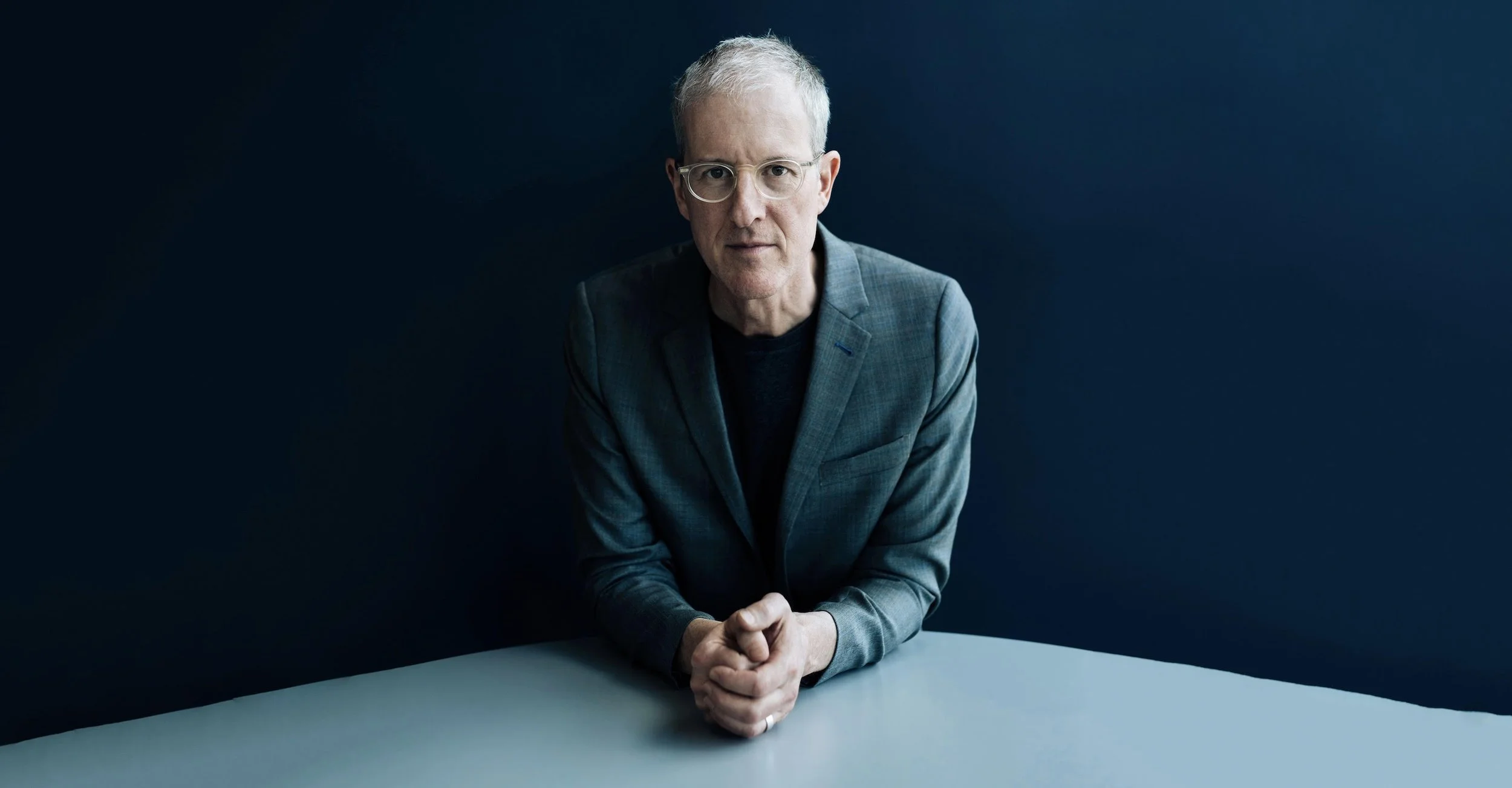
Jeff Speck
American city planner and writer
5
APPEARANCES
4
PODCASTS
Nov 15, 2026


Jeff SpeckGUEST
Useful, which means a good mix of uses and getting rid of, you know, single use zoning comfortable.
Jeff SpeckGUEST
which means the streets are well shaped into outdoor living rooms by the edges of buildings that give them the form that makes you want to be in them.
Jeff SpeckGUEST
And interesting, which means there are friendly faces, eyes on the street, doors and windows, and signs of human activity.
Jeff SpeckGUEST
Those three things, as I'm sure you're thinking, are a function of the buildings that are lining the streets, and those are mostly private.
Jeff SpeckGUEST
Many American cities, particularly our historical cities, get those factors pretty well.
9 MINS LATER

Rick StevesHOST
I didn't know the, I didn't know the name of it, but that is what I think of when I think of Barcelona.
Jeff SpeckGUEST
Yeah, Cerdà was the, uh, urban designer, and, uh, it's one of the densest places in the world.
Jeff SpeckGUEST
But they did something remarkable that, of course, their plan helped them to do, um, but most cities have grid plans that will allow this, was they introduced something called the superblock scheme.
Jeff SpeckGUEST
And if you can picture a tic-tac-toe board, a nine square where the, the hashtag, uh, is the interior streets.
Jeff SpeckGUEST
On a whole bunch of their nine squares, they shut all of those blocks to through traffic.
7 MINS LATER
Rick StevesHOST
And with your ability to see things through the eyes and the sensibilities of a city planner, what can we travelers do to enjoy our visits to whatever city we're going to, let's say in Europe, um, a little bit more? What do you look for and how can that help us?


Jeff SpeckGUEST
The resistance that you find, uh, to accomplishing this typically lies in public works departments and engineering departments, um, which are led by engineers who still embrace the older concept of traffic safety, which in America grew out of highway safety.
Jeff SpeckGUEST
So if you think about yourself when you're driving on a highway where your speed is a constant, anything you can do to reduce opportunities for conflict, to increase elbow room, is going to make that street safer.
Jeff SpeckGUEST
And I should say, when I joined this movement in the eighties, I really thought we could stop sprawl.
Jeff SpeckGUEST
Um, but I've replaced it with a new goal, which is essentially to offer the walkable quality of life, you know, the walking lifestyle to as many more Americans as possible, and that's why, you know, I'm going where the people are and doing much more downtown work, and most of my work is for cities who call me in and say, "You know, we realize that we could be so much better if we made our downtown more walkable, and what are the steps to getting there?"


Jeff SpeckGUEST
But it wasn't a roundabout in the sense that people were spinning through it, you know, on the spin cycle.
Jeff SpeckGUEST
It created three separate intersections around a triangular plaza that has a building on it by my friend, the wonderful architect, Jeannie Gang, which we want to see built.
Jeff SpeckGUEST
and shorten the cycle at each light so that you could walk through it much better.
30 MINS LATER
Jeff SpeckGUEST
The resistance that you find, uh, to accomplishing this typically lies in public works departments and engineering departments, um, which are led by engineers who still embrace the older concept of traffic safety, which in America grew out of highway safety.
Jeff SpeckGUEST
So if you think about yourself when you're driving on a highway where your speed is a constant, anything you can do to reduce opportunities for conflict, to increase elbow room, is going to make that street safer.
Jeff SpeckGUEST
And I should say, when I joined this movement in the '80s, I really thought we could stop sprawl.
Jeff SpeckGUEST
Um, but I've replaced it with a new goal, which is essentially to offer the walkable quality of life, you know, the walking lifestyle to as many more Americans as possible.
Jeff SpeckGUEST
And that's why, you know, I'm going where the people are and doing much more downtown work, and most of my work is for cities who call me in and say, "You know, we realize that we could be so much better if we made our downtown more walkable, and what are the steps to getting there?"