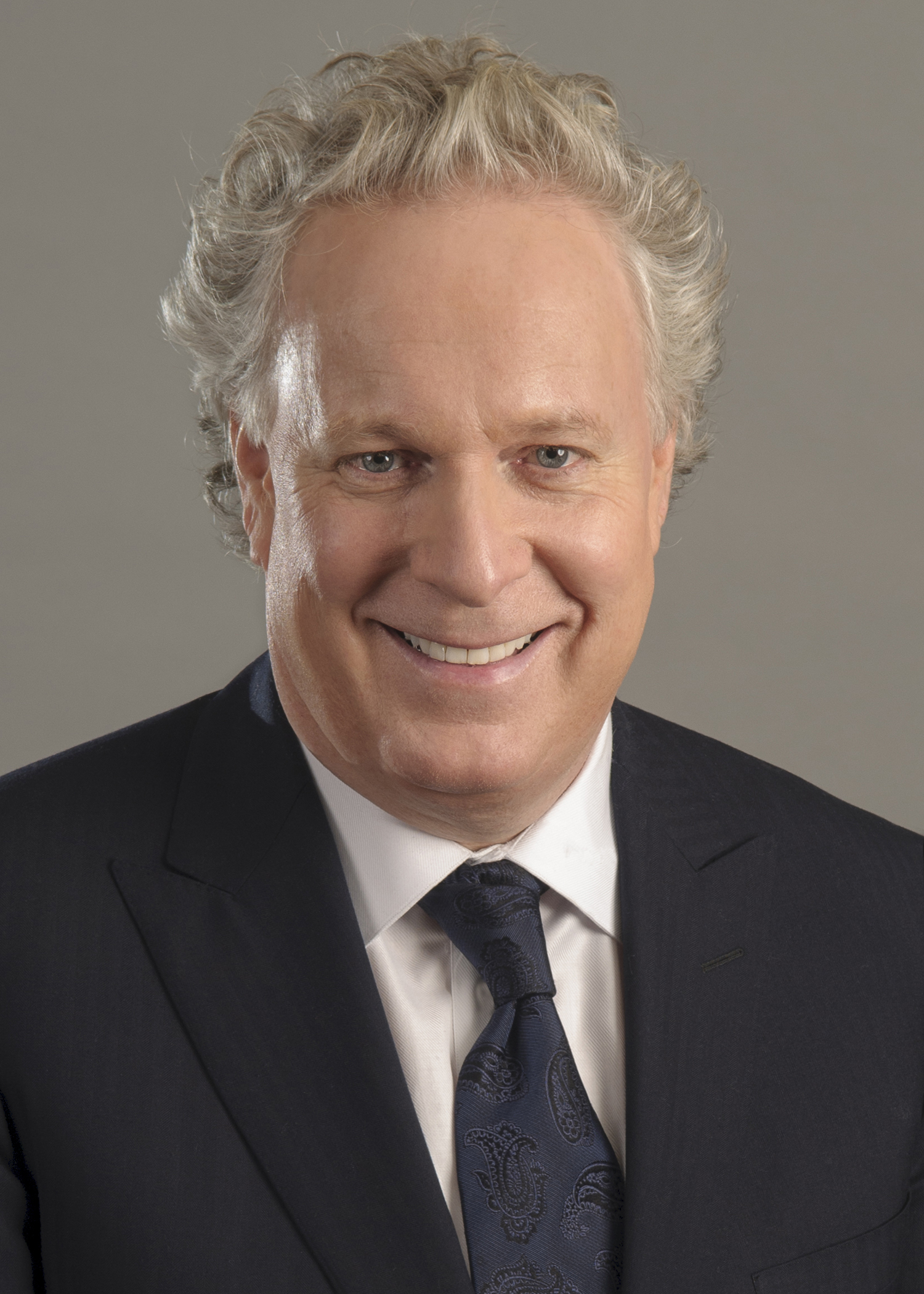
Jean Charest
Lawyer and former Member of the House of Commons of Canada
13
APPEARANCES
7
PODCASTS
Sep 15, 2026


Jean CharestGUEST
And so whether it's Greenland, defense, uh, and, we're part of the, uh, European Safe, uh, Program, which is a, a new program they put forward to, uh, develop their defense industry, and whether it's labor mobility, for example.
Jean CharestGUEST
The idea, Matt, was that a doctor in France is a doctor in Quebec, an engineer in Quebec, an engineer in France, and to make it as seamless as possible for people to move from one place to the other.

Matt GallowayHOST
Do you worry about deepening ties to Europe impacting our, our, our sovereignty?

Jean CharestGUEST
This was a conference that I was attending in Kentucky, and it was called World Trade Day, and I was invited to be a keynote speaker.
Jean CharestGUEST
And this was the opening fireside chat, which was fascinating because this is the take of an o- the narrative of an official, not an elected person, on what they're doing on trade.
Jean CharestGUEST
And what he said, in a very, you know, dispassionate way, is that, "We did trade deals in the past, but the assumptions changed.
Jean CharestGUEST
It wasn't what we thought it was, so that's why we're changing them." And then he went on to say that, uh, you know, they're not tight competition with China on AI.

Aaron RandHOST
Do you believe this relationship is damaged, Monsieur Shareth, through the course of the Trump presidency? Or is there room for negotiation here, and do you see that coming?
Jean CharestGUEST
I listened to President Trump about 9/11, and I just wanted to add that Canadians have a great deal of respect and admiration for the character of the American people and those who lost and, and gave their lives, and we will grieve with you on, on the anniversary in a few days from now.
Jean CharestGUEST
We're doing counter-tariffs because we feel that we have to respond to an administration who seems to think that Canada should not exist.
Jean CharestGUEST
And, uh, it's, uh, it's not because we wanna do it, and we hurt ourselves, by the way, when we do this, Pam.

Pamela BrownHOST
What would it take to, to get back to where we were a- and for Canada to pull back on these tariffs? And as you look ahead to the next two and a half years of Trump being in office, what does that relationship look like between the two countries?


Kaitlan CollinsHOST
Um, I wonder where you see this relationship going, uh, from a moment like that in the Oval Office today.
Jean CharestGUEST
Well, let, let me just observe that the last time the President paid attention to a body of water, it was the Lincoln Memorial Reflecting Pool.
Jean CharestGUEST
So, uh, we're [laughs] i- part of it is, is almost funny, but the other part is real issues for people in their day-to-day lives.
Jean CharestGUEST
And here in the United States, from we, we see, you're involved in war in Iran.


JP TaskerHOST
Do you think that this will become something of an election issue, and do you think that's good or bad for these negotiations?
Jean CharestGUEST
I met yesterday with the executive of the World Trade Council here in Kentucky, Louisville, Kentucky.
Jean CharestGUEST
And I'm mentioning this because it, this is a big part of what's, has been happening in the last few days in the United States.
Jean CharestGUEST
And why? Well, because they have $40 trillion worth of debt, a war in Iran, uh, they have inflation that doesn't seem to wanna go down, and a new, uh, Fed governor, a new Fed, uh, governor who i- is, whose positions are uncertain, and tariffs.

Wolf BlitzerHOST
Just how concerning is this situation right now to you when it comes to the broader relationship between the United States and Canada?
Jean CharestGUEST
We are the one who buy the most goods and services from our American neighbor with whom we get along very well.
Jean CharestGUEST
I mean, this started with the president announcing a new round of 50 percent tariffs on $20 billion worth of goods.
Jean CharestGUEST
For example, Wolf, the president wants to tax Christmas decorations, Christmas decorations.
Wolf BlitzerHOST
Do you support his decision to walk away from these talks right now, or is that too risky right now when it comes to dealing with the Trump administration?

Jean CharestGUEST
Uh, we reengaged after the president announced a new series of tariffs, invoking, uh, an old piece of Smoot-Hawley legislation, a Section 338, and, uh, both the Prime Minister Carney and President Trump decided to reengage.

Karina RomanHOST
Uh, in terms of a deadline, does it benefit either side more than the other, or do, do they have competing goals on that?
Jean CharestGUEST
Well, the, the positive side of this story is that after the announcement of this new round of tariffs that, that is based on legislation never used before by President Trump, goes all the way back to a bill voted in 1930 of all things, that both the prime minister and the president decide to reengage.
Jean CharestGUEST
There mean, it means there's a willingness to actually try to resolve this, and so that's, that's where we are.
Karina RomanHOST
Even with the, the, the staring down the barrel of some, yes, very targeted tariffs, but ones that will be quite painful if they go into place, um, that's, that, that's not something that should make us capitulate?

Katie SimpsonHOST
How does Canada turn the tables? How does Canada change that power dynamic so that it's not constantly having to just try to fight back like this?
Jean CharestGUEST
We have to be more strategic, we have to be smarter, and we have to be patient, and that's what I'm seeing right now.
Jean CharestGUEST
And what does that mean? It means that rather than just engaging on a piecemeal basis, we need a broader discussion.
Jean CharestGUEST
We always have wanted to have a discussion, Katie, that would include defense, security, uh, strategic minerals, not just a specific tariff.
Jean CharestGUEST
And if you roll all of that in that it makes sense that we have a, a, an agreement that speaks to the interest on both sides.
Katie SimpsonHOST
Are you saying that the Canadian government in this moment has gone back to that approach, the one that blew up last year?


Vassy KapelosHOST
When you listen to some of those comments, what sort of goes through your mind in those moments?
Jean CharestGUEST
I mean, observers of Mr. Trump over the last few years would know that it's probably pretty typical for him to go back and forth on these things.
Jean CharestGUEST
It's unclear in his response whether he is well informed on the mechanics of all of this, because the way this works on the first, first of all, it is not a renegotiation that was agreed to several years ago, but a revision, the verb, people fought over the verb, though it may not count a lot for the Trump administration.
Jean CharestGUEST
But it was supposed to be revised, that was the idea, on the 1st of July as the agreement continues into 2036.

Jean CharestGUEST
Uh, w- we hear them, and w- we just wanna sit down and start negotiating on the core issues.
Jean CharestGUEST
And by the way, one thing that we do know is that in the American business community, David, they want this trade agreement to continue.

Vassy KapelosHOST
I'm wondering as you sort of take a, a view from 50 f- feet above what your assessment of the state of things between Canada and the United States is right now.
Jean CharestGUEST
Well, we live in the Trump world, so a lot of what's happening is unpredictable.
Jean CharestGUEST
Essentially, the position that Canada's taking is that it's better to wait and get a good deal into the future than to have a bad deal now, and to have to live with it a very long time.
Jean CharestGUEST
And so, uh, and, and mind you, Vassy, uh, things have changed in the short period of a year.
Jean CharestGUEST
There's been the Supreme Court ruling on the IEPA, uh, legislation that Mr. Trump used.
Vassy KapelosHOST
How does the federal government balance that idiom with the kind of pain that many sectors are feeling right now, and that uncertainty I mentioned, and that you mentioned, enveloping the economy more largely?
Wolf BlitzerHOST
Does this ruling today by the U.S. Supreme Court take the teeth out of any of Trump's tariff threats, including raising these tariffs against Canada?
Jean CharestGUEST
It weakens the position of the administration, if only because it makes the point that the tariffs are a competency of the Congress and the House and not the executive who used emergency powers that now have been invalidated.
Jean CharestGUEST
That being said, Wolf, 85 to 90 percent of all the goods that go back and forth between Canada and the United States are covered under the previous trade agreement negotiated by Donald Trump called KUSMA.
Jean CharestGUEST
And there are special tariffs that are not affected by this decision today by the Supreme Court of the United States on steel, aluminum, on cars, on softwood lumber that will continue to be in place and are very damaging to our industry, but also very damaging to the American economy.
Jean CharestGUEST
I mean, the recent study, I think, of the Fed and another study indicated that they're paying, American consumers paid at least $1,000 more in taxes through tariffs in the last year, in 2025.
Wolf BlitzerHOST
Related to all of this, are the tariffs and the other threats made on Canada by the Trump administration, and there have been many over these past months, is that what drove Canada closer to China in the first place, this new trade agreement that Canada has with China?