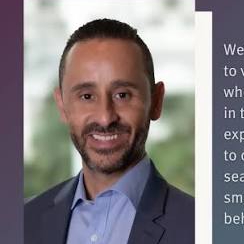
Javier Favela
VP Market & Segment Leader at NextGen Healthcare, focused on AI and technology solutions for behavioral health and integrated care.
2
APPEARANCES
2
PODCASTS
Aug 31, 2026

Lucas VossHOST
through 2038 so this is a decade ahead we know this is happening and we also know that these organizations that are trying to close this gap are experiencing tremendous stress from workforce shortages to again increasing consumer expectations for personalized care there's so much happening from your perspective Where is AI making the biggest difference today? And why is 2027, why is this moment now so important for this?

Javier FavelaGUEST
And if you look at the trajectory there, right, even a larger gap projected to widen through that 2038 time period in that study.
Javier FavelaGUEST
I think the biggest difference AI can make today is, helping behavioral health organizations expand capacity without an already stretched workforce to simply do more.
Javier FavelaGUEST
We have an increasing demand, no doubt, in behavioral health, and with the stat you just shared, and my experience working with behavioral health organizations, a real workforce shortage.
Javier FavelaGUEST
And so clinicians who are carrying a significant amount of already administrative burden compliance, right? These are These are some scary stats to think through.
Javier FavelaGUEST
When we think about augmented intelligence or AI, I know people use that artificial intelligence term.
11 MINS LATER
Lucas VossHOST
And again, how does that then, when we're helping the clinician, ultimately translate into better experiences for patients, but also for providers?


Bob MurrayHOST
What are the biggest pressures that you are hearing that behavioral health organizations are telling you about right now?
Javier FavelaGUEST
So, Dr. Murray, I think what we're seeing in behavioral health is, while complex, the problem is pretty straightforward.
Javier FavelaGUEST
It's workforce shortages, as you mentioned, reimbursement complexity, higher patient acuity, and then overall operational strain all kind of converging at once.
9 MINS LATER
Bob MurrayHOST
What about you, Javi, former CFO of a behavioral health organization? Where is AI going to help or maybe not help you?