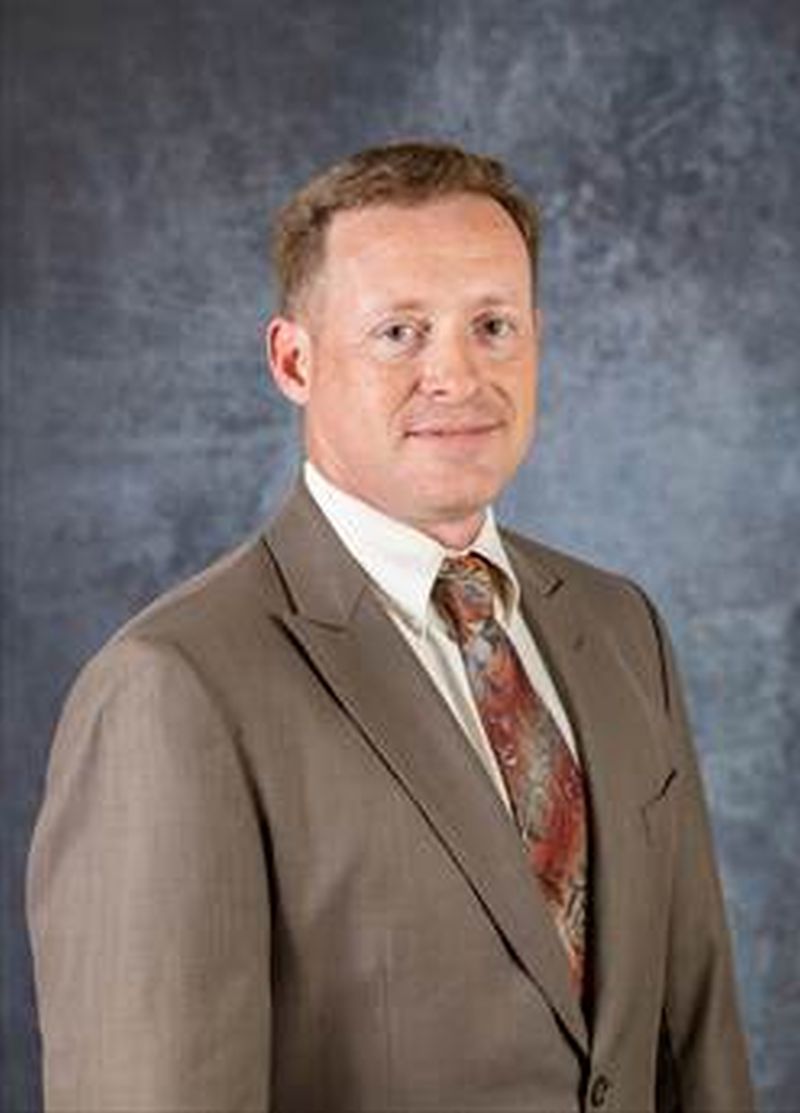
Jason Sumners
4
APPEARANCES
4
PODCASTS
Oct 7, 2026

Jacob DykesHOST
Like they are the head of the spear here when it comes to trying to manage in general, but especially when you're trying to manage against disease like chronic waste

Jason SumnersGUEST
This is a partnership effort, right? Like I often feel, I often hear folks say, well, this is what the Department of Conservation wants.
Jason SumnersGUEST
It's like, no, right? We've been trying to have a conversation with the public since the agency started nearly 90 years ago as to what do we do? How do we work together? And the objectives that we have are largely informed by what folks have told us in the past.
Jason SumnersGUEST
What do we feel like they're willing to do? What do they say they're interested in? Not everybody agrees, right? And that's where you get into some of these, the conflict that exists.
Jason SumnersGUEST
You know, with the exception of the Ozarks, where we have a few counties where maybe, you know, 10 to 15 to 20% of the county might be in public ownership.
31 MINS LATER
Jacob DykesHOST
How would you summarize that in just a few statements? Like what are those changes look like? What, what could people expect that kind of thing?


Jason SumnersGUEST
But I got to Missouri and, and so CWD, you know, had just been found in, you know, West Virginia in like 2005, and so for the first time kinda outside of Wisconsin in the Eastern US, and so folks were starting to pay attention.
Jason SumnersGUEST
I got to Missouri and I was like, "So what's our CWD plan? Should we, should we get it?" And, and effectively it just said that- We'd play nice with the Department of Agriculture should it be found in a captive facility, and they'll play nice with us should it be found in a free-ranging population.
1 HR 8 MINS LATER

Jacob DykesHOST
Like they are the head of the spear here when it comes to trying to manage in general, but especially when you're trying to manage against disease like chronic wasting.
Jason SumnersGUEST
This is a partnership effort, right? Like I often feel, I often hear folks say, well, this is what the Department of Conservation wants.
Jason SumnersGUEST
It's like, no, right? We've been trying to have a conversation with the public since the agency started nearly 90 years ago as to what do we do? How do we work together? And the objectives that we have are largely informed by what folks have told us in the past.
Jason SumnersGUEST
What do we feel like they're willing to do? What do they say they're interested in? Not everybody agrees, right? And that's where you get into some of these, the conflict that exists.
Jason SumnersGUEST
You know, with the exception of the Ozarks, where we have a few counties where maybe, you know, 10 to 15 to 20% of the county might be in public ownership.
31 MINS LATER
Jacob DykesHOST
How would you summarize that in just a few statements? Like what are those changes look like? What, what could people expect that kind of thing?


Ashley SmithHOST
But can you kind of walk us through what happened this past year and what led to that decision?
Jason SumnersGUEST
It was pretty hard as a deer biologist, as somebody who's entrusted with, and now the agency director entrusted taking care of this, um, iconic species for the state.
Jason SumnersGUEST
I don't think we take any of these decisions regarding deer management or wildlife management at large, um, lightly.
Jason SumnersGUEST
Um, and so, yeah, it was, and it was one that, yeah, it was a pretty personal decision for me too, right.
10 MINS LATER