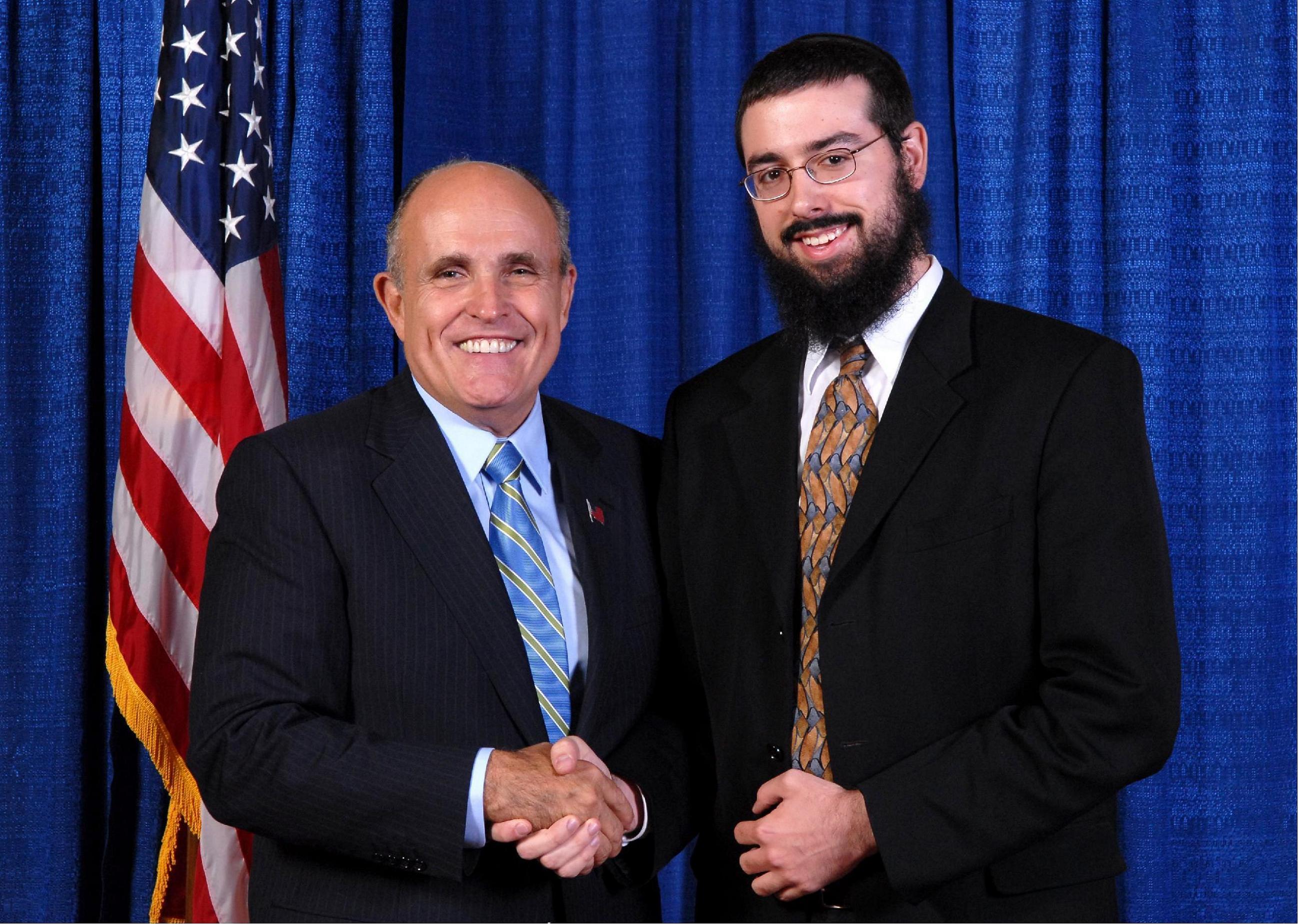
Jason Bedrick
Politician
4
APPEARANCES
3
PODCASTS
Oct 13, 2026

14:34
And I guess what you're suggesting, Jason, is that we cannot allow that to be the case.
Jason BedrickGUEST
No, and I think that our, our system of education is intended to do a lot of different things, but one of them is to produce good citizens.
Jason BedrickGUEST
Uh, it's meant to do a lot more than that, but especially if you look at the time of, you know, the founding era, when they were talking about education, they were concerned that, uh, you know, if we are going to have a representative government.
Jason BedrickGUEST
That means that we need to have citizens who understand how the government functions, why it functions the way that it does, what the principles that underlie it are.
Jason BedrickGUEST
They need to be familiar with their founding documents, like the Declaration of Independence and the Constitution.
Jason BedrickGUEST
They have to understand what it means that all men are created equal, where that idea came from, right? There's a lot that they need to understand.
9 MINS LATER
24:40
And I wonder if you think that is happening or why are so many people who are just coming out of the school system, people under the age of 30, having this change of heart about the economic system of this country?


Jason BedrickGUEST
yeah, I mean, you've seen in the press I'm saying, you know, this is a heritage work product.
Jason BedrickGUEST
It's on our website, but it's on the websites of a bunch of the other signatories.
Jason BedrickGUEST
You know, about a dozen different organizations that signed on institutionally and several dozen more where individuals from, you know, all different organizations signed on as well as one governor, former governor and several state education chiefs.
Jason BedrickGUEST
Florida is the only state so far to adopt it, but we're just at the beginning of this process.
12 MINS LATER

Soren SchwabHOST
So that should be something we can all agree on, right, Jason? Where do you see kind of the yes, but?

Jason BedrickGUEST
right you had a very biblically literate population in in the obviously the pilgrims but even the founding generation uh all the way up through the early 20th century uh but at a certain point um the public schools begin to secularize uh and there's so there's a push really from different sides you know so on the one hand you have secularists that are trying to get the bible out of the public schools But also, there are lots of different people who have different denominations, and they read the Bible differently, particularly Catholics versus Protestants, but also among Protestant groups.
Jason BedrickGUEST
the Bible should be for nights and weekends, right? So one side, it was, you know, they didn't want religious fundamentalism as they saw it in the classroom, so they wanted the Bible out.
Jason BedrickGUEST
But on the other side, you also had people who said the Bible is too important to entrust to the public schools.
Jason BedrickGUEST
And over time, what you see is actually an incredible diminution in biblical literacy, right? Rabbi Meir Soloveitchik had an essay a few years ago in Commentary Magazine where he said that on Jeopardy, there was a category, you know, famous literature where it had to do with walking.

John BatchelorHOST
So what do we do? Are we to wait it out and figure that this is a maturing process and that they'll recognize the fullness of the language as they grow older? Yeah.
Jason BedrickGUEST
Well, you know, it's, it's interesting that the, uh, professor who wrote this piece, uh, Gregory Conte, is himself, um, a non-believer, and he mentions this in the article.
Jason BedrickGUEST
Biblical literacy in America is cultural illiteracy, right? You, you cannot understand Michelangelo or Milton or Bach or Bellow or Dostoevsky or Douglass if you don't understand the Bible.
Jason BedrickGUEST
Hobbes, Locke, Burke, Tocqueville, uh, all of them essentially have a certain theological concepts that are underlying their political philosophies, and these are the political philosophies that essentially America is birthed from.
Jason BedrickGUEST
Um, just to take one step back, the, the, the people who originally came to this country from England saw themselves as a new Israel.