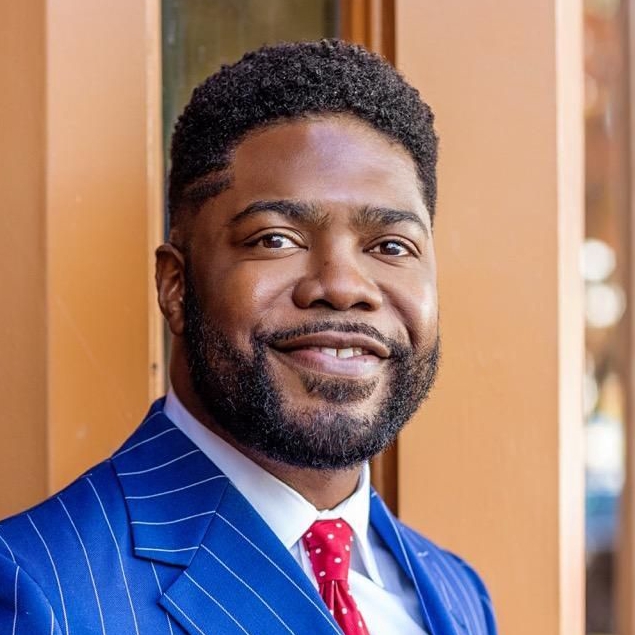
Jarvis C. McInnis
6
APPEARANCES
6
PODCASTS
Aug 12, 2026


Kishauna SoljourHOST
Could you share with our listeners the complications of both kind of how Booker T was exporting ideas of modernity, but then also how students in turn used or repurposed or challenged these ideas for their own local context, whether it be in Haiti, Puerto Rico, or Cuba, because they're all different contexts and the students are all challenging him because of their understandings of these different contexts, especially in relationship to the legacy of the plantation.

Jarvis C. McInnisGUEST
So Booker T. Washington is attempting to enfold the rest of the diaspora into his vision of Black agrarian futures, right, as represented by the Tuskegee model of education, etc., And so he says that students from Cuba and Puerto Rico should also have industrial and agricultural education because they are facing conditions in the late 19th century that are very similar to what African-Americans had just passed through a few decades earlier.
Jarvis C. McInnisGUEST
uh emancipation uh proclamation the the abolition of slavery in the united states happens a few decades before the abolition of slavery uh in the uh in the uh hispanophone americas right and so he says okay what we've passed through here uh means that um that uh uh our Afro-Cuban and Puerto Rican brethren and sistren can benefit from these same skills.
8 MINS LATER
Kishauna SoljourHOST
And I'm wondering if you can share with our audience why Washington is this trickster figure and why from your research in the archive, but also in how students put pressure on him to reconsider, right, the limits of both his buying into U.S. imperialism and also his understandings of what the future of students could be, that sometimes he had one face, but he also was supporting liberation in very interesting ways that I don't know if other monographs took it as seriously as you are, especially in terms of putting pressure on that legacy.

Kishauna SoljourHOST
Could you share with our listeners the complications of both kind of how Booker T was exporting ideas of modernity, but then also how students in turn used or repurposed or challenged these ideas for their own local context, whether it be in Haiti, Puerto Rico, or Cuba, because they're all different contexts and the students are all challenging him because of their understandings of these different contexts, especially in relationship to the legacy of the plantation.
Jarvis C. McInnisGUEST
So Booker T. Washington is attempting to enfold the rest of the diaspora into his vision of Black agrarian futures, right, as represented by the Tuskegee model of education, etc., And so he says that students from Cuba and Puerto Rico should also have industrial and agricultural education because they are facing conditions in the late 19th century that are very similar to what African-Americans had just passed through a few decades earlier.
Jarvis C. McInnisGUEST
uh emancipation uh proclamation the the abolition of slavery in the united states happens a few decades before the abolition of slavery uh in the uh in the uh hispanophone americas right and so he says okay what we've passed through here uh means that um that uh uh our Afro-Cuban and Puerto Rican brethren and sistren can benefit from these same skills.
8 MINS LATER
Kishauna SoljourHOST
And I'm wondering if you can share with our audience why Washington is this trickster figure and why from your research in the archive, but also in how students put pressure on him to reconsider, right, the limits of both his buying into U.S. imperialism and also his understandings of what the future of students could be, that sometimes he had one face, but he also was supporting liberation in very interesting ways that I don't know if other monographs took it as seriously as you are, especially in terms of putting pressure on that legacy.

Kishauna SoljourHOST
Could you share with our listeners the complications of both kind of how Booker T. was exporting ideas of modernity, but then also how students in turn used or repurposed or challenged these ideas for their own local context, uh, whether it be in Haiti, Puerto Rico, or Cuba, because they're all different contexts, and the students are all challenging him because of their understandings of these different contexts, especially in relationship to the legacy of the plantation?
Jarvis C. McInnisGUEST
Um, so, so Booker T. Washington is attempting to enfold the rest of the diaspora into his vision of Black agrarian futures, right? As, as, um, represented by the Tuskegee model of education, um, et cetera.
Jarvis C. McInnisGUEST
And so, you know, he says that, you know, students from Cuba and Puerto Rico, uh, should also have industrial and agricultural education because they are facing conditions in the late 19th century that are very similar to what African Americans had just passed through a few decades earlier.
Jarvis C. McInnisGUEST
You know, um, uh, the, uh, um, Emancipation, uh, Proclamation, the, the abolition of slavery in the United States happens a few decades before the abolition of slavery, uh, in the, uh, in the, uh, Hispanophone Americas, right? And so he says, "Okay, what we've passed through here, uh, means that, um, that, uh, uh, our Afro-Cuban and Puerto Rican brethren and sisteren can benefit, right, uh, from, from, from these same skills." And so he is trying to enfold them into this project.
8 MINS LATER
Kishauna SoljourHOST
And I'm wondering if you can share with our audience why Washington is this trickster figure, and from your research in the archive, but also in how students put pressure on him to reconsider, right, the limits of both his buying into US imperialism and also his understandings of what the future of students could be, that sometimes he had one face, but he also was supporting liberation in very interesting ways that I don't know if other monographs took it as seriously as you are, especially in terms of putting pressure on that legacy.

Kishauna SoljourHOST
Could you share with our listeners the complications of both kind of how Booker T. was exporting ideas of modernity, but then also how students in turn used or repurposed or challenged these ideas for their own local context, uh, whether it be in Haiti, Puerto Rico, or Cuba? Because they're all different contexts, and the students are all challenging him because of their understandings of these different contexts, especially in relationship to the legacy of the plantation.
Jarvis C. McInnisGUEST
Um, so, so Booker T. Washington is attempting to enfold the rest of the diaspora into his vision of Black agrarian futures, right? As, as, um, represented by the Tuskegee model of education, um, et cetera.
Jarvis C. McInnisGUEST
And so, you know, he says that, you know, students from Cuba and Puerto Rico, uh, should also have industrial and agricultural education because they are facing conditions in the late 19th century that are very similar to what African Americans had just passed through a few decades earlier.
Jarvis C. McInnisGUEST
You know, um, uh, the, uh, um, Emancipation, uh, Proclamation, the, the abolition of slavery in the United States happens a few decades before the abolition of slavery, uh, in the, uh, in the, uh, Hispanophone Americas, right? And so he says, "Okay, what we've passed through here, uh, means that, um, that, uh, uh, our Afro-Cuban and Puerto Rican brethren and sisteren can benefit, right, uh, from, from, from these same skills." And so he is trying to enfold them into this project.
8 MINS LATER
Kishauna SoljourHOST
And I'm wondering if you can share with our audience why Washington is this trickster figure, and from your research in the archive, but also in how students put pressure on him to reconsider, right, the limits of both his buying into US imperialism and also his understandings of what the future of students could be, that sometimes he had one face, but he also was supporting liberation in very interesting ways that I don't know if other monographs took it as seriously as you are, especially in terms of putting pressure on that legacy.

Kishauna SoljourHOST
Could you share with our listeners the complications of both kind of how Booker T. was exporting ideas of modernity, but then also how students in turn used or repurposed or challenged these ideas for their own local context, whether it be in Haiti, Puerto Rico, or Cuba? Because they're all different contexts, and the students are all challenging him because of their understandings of these different contexts, especially in relationship to the legacy of the plantation.
Jarvis C. McInnisGUEST
Um, so, so Booker T. Washington is attempting to enfold the rest of the diaspora into his vision of Black agrarian futures, right? As, as, um, represented by the Tuskegee model of education, um, et cetera.
Jarvis C. McInnisGUEST
And so, you know, he says that, you know, students from Cuba and Puerto Rico, uh, should also have industrial and agricultural education because they are facing conditions in the late 19th century that are very similar to what African Americans had just passed through a few decades earlier.
Jarvis C. McInnisGUEST
You know, um, uh, the, uh, um, Emancipation, uh, Proclamation, the, the abolition of slavery in the United States happens a few decades before the abolition of slavery, uh, in the, uh, in the, uh, Hispanophone Americas, right? And so he says, "Okay, what we've passed through here, uh, means that, um, that, uh, uh, our Afro-Cuban and Puerto Rican brethren and sisteren can benefit, right, uh, from, from, from these same skills." And so he is trying to enfold them into this project.
8 MINS LATER
Kishauna SoljourHOST
And I'm wondering if you can share with our audience why Washington is this trickster figure, and from your research in the archive, but also in how students put pressure on him to reconsider, right, the limits of both his buying into US imperialism and also his understandings of what the future of students could be, that sometimes he had one face, but he also was supporting liberation in very interesting ways that I don't know if other monographs took it as seriously as you are, especially in terms of putting pressure on that legacy.

Kishauna SoljourHOST
Could you share with our listeners the complications of both kind of how Booker T. was exporting ideas of modernity, but then also how students in turn used or repurposed or challenged these ideas for their own local context, uh, whether it be in Haiti, Puerto Rico, or Cuba, because they're all different contexts, and the students are all challenging him because of their understandings of these different contexts, especially in relationship to the legacy of the plantation.
Jarvis C. McInnisGUEST
Um, so, so Booker T. Washington is attempting to enfold the rest of the diaspora into his vision of Black agrarian futures, right? As, as, um, represented by the Tuskegee model of education, um, et cetera.
Jarvis C. McInnisGUEST
And so, uh, you know, he says that, you know, students from Cuba and Puerto Rico, uh, should also have industrial and agricultural education because they are facing conditions in the late 19th century that are very similar to what African Americans had just passed through a few decades earlier.
Jarvis C. McInnisGUEST
You know, um, uh, the, uh, um, Emancipation, uh, Proclamation, the, the abolition of slavery in the United States happens a few decades before the abolition of slavery, uh, in the, uh, in the, uh, Hispanophone Americas, right? And so he says, "Okay, what we've passed through here, uh, means that, um, that, uh, uh, our Afro-Cuban and Puerto Rican brethren and sisteren can benefit, right, uh, from, from, from these same skills." And so he is trying to enfold them into this project, but both, uh, Afro-Caribbean, uh, um, intellectuals and sort of Washington's contemporaries like Rafael Serra y Montalvo, uh, uh, of Cuba and Jean Price-Mars of Haiti, they are taking pieces and aspects of the Tuskegee project, right, and rejecting other aspects of the Tuskegee project, right? Um, and, uh, I became really interested in the way that they were, uh, being very s- strategic, right? In, in what parts of the Tuskegee project they embraced and what parts they rejected, right? And so plot two of the book is all about, uh, those strategic translations, uh, by Serra and Price- and, and Price-Mars in particular, but, uh, in the context of Cuba generally and, and Haiti generally.
7 MINS LATER
Kishauna SoljourHOST
And I'm wondering if you can share with our audience why Washington is this trickster figure, and from your research in the archive, but also in how students put pressure on him to reconsider, right, the limits of both his buying into US imperialism and also his understandings of what the future of students could be, that sometimes he had one face, but he also was supporting liberation in very interesting ways that I don't know if other monographs took it as seriously as you are, especially in terms of putting pressure on that legacy.