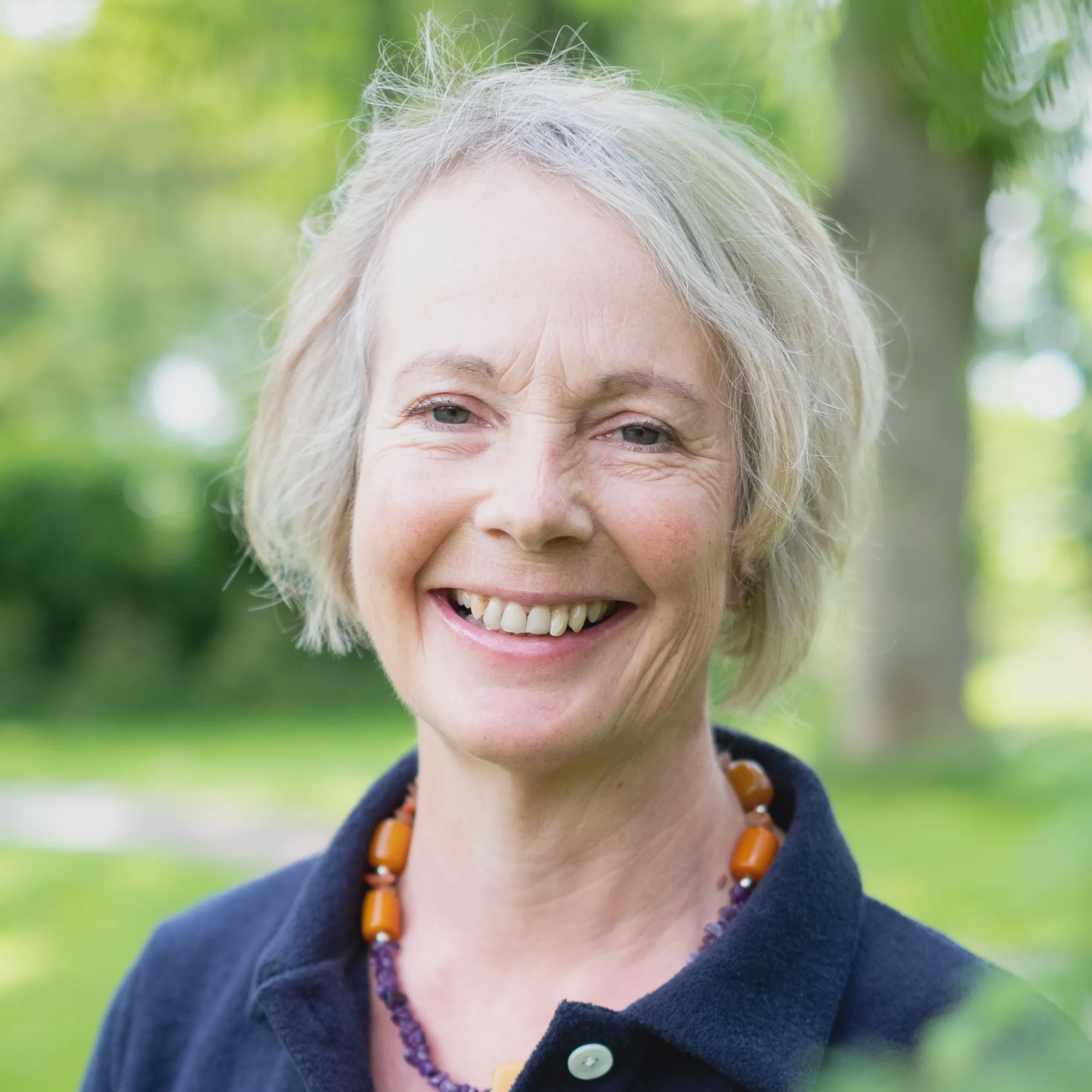
Jane Madgwick
Ecologist and author Jane Madgwick, CEO of Plantlife International (since July 2025), formerly 19-year CEO of Wetlands International and first Executive Director of the Global Commons Alliance.
7
APPEARANCES
6
PODCASTS
Nov 4, 2026


Jane MadgwickGUEST
So I got involved how I could, studying of course, but volunteering, then doing field research.
Jane MadgwickGUEST
But pretty much through experience, you learn that it's not just about science, but it's really about bringing people together around conservation.

Jane MadgwickGUEST
So I got involved how I could, studying of course, but volunteering, then doing field research.
Jane MadgwickGUEST
But pretty much through experience, you learn that it's not just about science, but it's really about bringing people together around conservation.

Jane MadgwickGUEST
So I got involved how I could, studying of course, but volunteering, then doing field research.
Jane MadgwickGUEST
But pretty much through experience, you learn that it's not just about science, but it's really about bringing people together around conservation.
Ben GoldfarbGUEST
That was just a really beautiful story because both humans and beavers are compelled to build, right? We're, we're both constantly modifying our environment to maximize our own food and shelter, and yet we're doing it in a way that is fundamentally inimical to all other forms of life, right? And, you know, we're stomping out biodiversity everywhere you turn, whereas beavers are building in a way that promotes all other forms of life, right? They're these incredible agents of biodiversity, conservation, and restoration.
Jane MadgwickGUEST
Yeah, I was always more fascinated about anything to do with water, and wetlands, well, they're really fascinating places, and they're so central to, to people.
Jane MadgwickGUEST
You know, to people's, uh, culture, uh, to art, as well as in, in very many practical ways to human survival.
Jane MadgwickGUEST
And, you know, I love trees, but, uh, [laughs] forests, but I think, uh, pales into insignificance compared with, uh, what wetlands have to offer.


Ben GoldfarbGUEST
That was just a really beautiful story because both humans and beavers are compelled to build, right? We're, we're both constantly modifying our environment to maximize our own food and shelter, and yet we're doing it in a way that is fundamentally inimical to all other forms of life, right? And you know, we're stomping out biodiversity everywhere you turn, whereas beavers are building in a way that promotes all other forms of life, right? They're these incredible agents of biodiversity, conservation, and restoration.
Jane MadgwickGUEST
Yeah, I was always more fascinated about anything to do with water and wetlands.
Jane MadgwickGUEST
Well, they're really fascinating places, and they're so central to, to people, you know, to people's, uh, culture, uh, to art, as well as in, in very many practical ways to human survival.
Jane MadgwickGUEST
Uh, so the last 30 years, that's, uh, water and wetlands has been my focus, and you know, I love trees, but, uh, [laughs] forests, but I think, uh, pales into insignificance compared with, uh, what wetlands have to offer.
Jane MadgwickGUEST
It's more than 60 years now, and it's the only global NGO which focuses on one kind of ecosystem, so it's interesting.

Ben GoldfarbGUEST
That was just a really beautiful story, because both humans and beavers are compelled to build, right? We're, we're both constantly modifying our environment to maximize our own food and shelter, and yet we're doing it in a way that is fundamentally inimical to all other forms of life, right? And, you know, we're stomping out biodiversity everywhere you turn, whereas beavers are building in a way that promotes all other forms of life, right? They're these incredible agents of biodiversity, conservation, and restoration.
Jane MadgwickGUEST
Yeah, I was always more fascinated about anything to do with water, and wetlands, well, they're really fascinating places, and they're so central to, to people, you know, to people's, uh, culture, uh, to art, as well as in, in very many practical ways to human survival.
Jane MadgwickGUEST
And, you know, I love trees, but, uh, [laughs] forests, but I think, uh, pales into insignificance compared with, uh, what wetlands have to offer.
Jane MadgwickGUEST
It's more than 60 years now, and it's the only global NGO which focuses on one kind of ecosystem, so it's interesting.

Ben GoldfarbGUEST
That was just a really beautiful story because both humans and beavers are compelled to build, right? We're, we're both constantly modifying our environment to maximize our own food and shelter, and yet we're doing it in a way that is fundamentally inimical to all other forms of life, right? And, you know, we're stomping out biodiversity everywhere you turn, whereas beavers are building in a way that promotes all other forms of life, right? They're these incredible agents of biodiversity, conservation, and restoration.
Jane MadgwickGUEST
Yeah, I was always more fascinated about anything to do with water, and wetlands, well, they're really fascinating places, and they're so central to, to people.
Jane MadgwickGUEST
You know, to people's, uh, culture, uh, to art, as well as in, in very many practical ways to human survival.
Jane MadgwickGUEST
Uh, so the last 30 years, that's, uh, water and wetlands has been my focus, and, you know, I love trees, but, uh, [laughs] and forest, but I think, uh, pales into insignificance compared with, uh, what wetlands have to offer.
Jane MadgwickGUEST
It's more than 60 years now, and it's the only global NGO which focuses on one kind of ecosystem, so it's interesting.