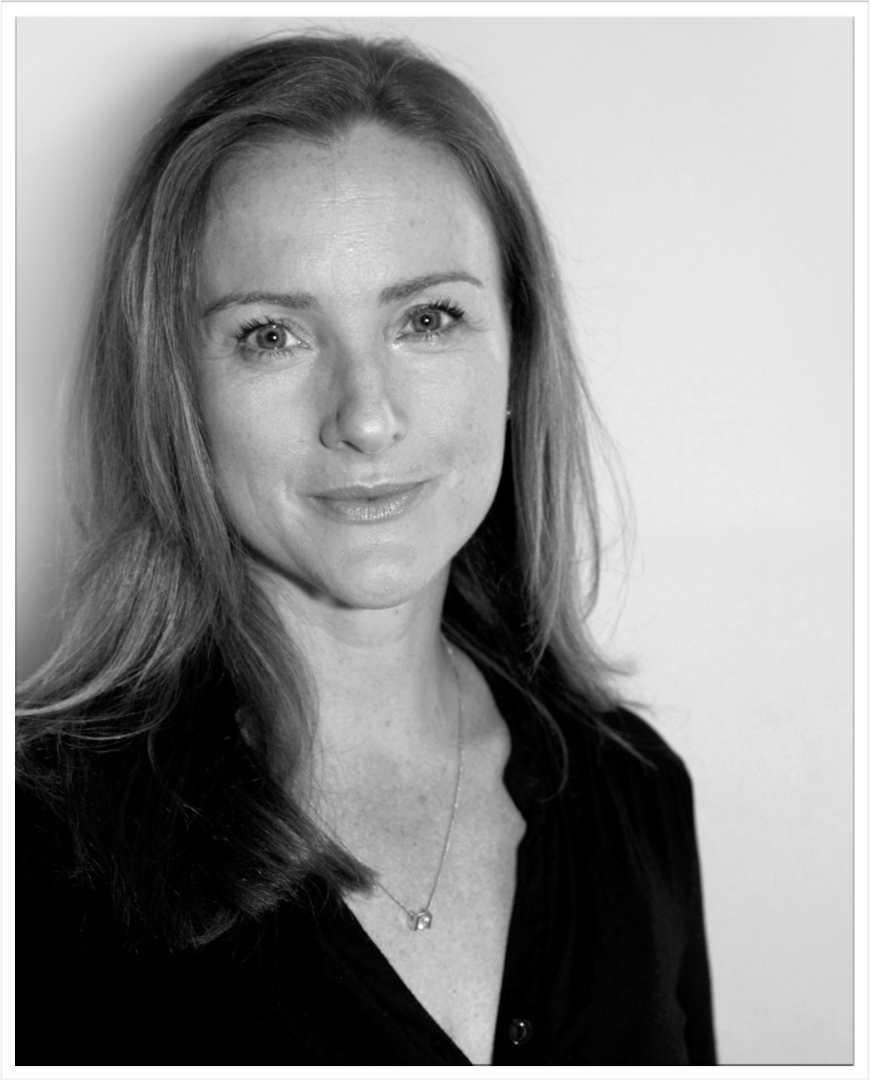
Jane Barratt
4
APPEARANCES
4
PODCASTS
Nov 7, 2026


Jamie BussinHOST
how do you see it manifesting like why don't we why don't we talk about like relationships and even in the workplace what do you see

Jane BarrattGUEST
So ageism can be seen structurally or systematically across health, across workforce, across the data and research that we do.
Jamie BussinHOST
So how do you address some of these underlying truths that drive some of this narrative? What do you think about that?


Nicole ServinisHOST
I'm sorry for your loss, and that must have been very difficult, but, um, it's interesting how that was the, the root of kind of your, your journey.
Jane BarrattGUEST
Look, there's, there's no question it was the root to my journey, and he called me the day before he died, and he said, uh, um, "I'm just calling to say goodbye because I'm not gonna be here.
Jane BarrattGUEST
Um, another great story in my life was when my dad was dying in the hospice, and I'd go and, and go to him every day and take Mom, and this, this one afternoon, I walked in, and he had a pillow over his head, and I said, "Oh, for goodness sake, can't you do anything better than that?"
23 MINS LATER
Jane BarrattGUEST
Um, and you know, as I've said, I'm a, a multiple culprit when it comes to marriage.
Jane BarrattGUEST
But I've noticed that, you know, our love and care for one another has softened and strengthened- Through, you know, being together for 25 years, coming from a foreign country, coming from Australia, and, and living in Canada, and he gave up his job to come and, and help me in this organization.


Stephanie MuskatHOST
And I'm curious to start off by asking, is ageism improving in society? Is it worsening? What's happening? And what do we know from the research?
Jane BarrattGUEST
It's a fundamental question, isn't it? I think it's important to be really clear about what is ageism.
Jane BarrattGUEST
It's the way we think, stereotypes, the way we feel, you know, which is our prejudice, and the way that we act, which is discrimination.
Jane BarrattGUEST
The WHO global report on ageism found that one in every two people, so every second person, holds moderately or highly ageist attitudes towards older people.
Jane BarrattGUEST
And WHO talks about three forms of ageism, self-identifying, and I can tell you a very embarrassing story about this self-identification, interpersonal, between two people, and institutional, what happens in the systems.
8 MINS LATER


Jane BarrattGUEST
Well, y- y- as you've just indicated, you know, cottage country, you just come together around a joy, around a hobby, around a purpose.
Jane BarrattGUEST
And Marissa, your, your producer, just told me that she sat next to, you know, an older person on the plane and talked all the way.
Jane BarrattGUEST
And quite often as we grow older, you know, the, the exhaustion that you feel mid-career, quite often it's, it's useful, helpful to hear experience of an older person, how they got through it.