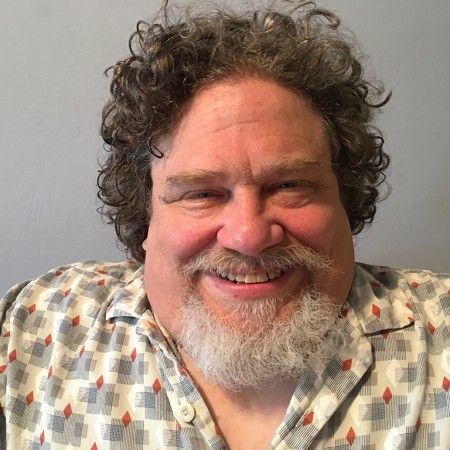
James Lebrecht
Filmmaker and sound designer
3
APPEARANCES
3
PODCASTS
Sep 30, 2026

17:13

And, and talk to me about how they can stop, um, against sound being seen as sport support and how they can start thinking of sound in the storytelling context.

James LeBrechtGUEST
Um, you know, my job is to really work with, the director to make sure that they're getting a soundtrack that really supports their, well, I'm going to use the word vision, but it's what they want to do.
James LeBrechtGUEST
I'm going to be thinking about things maybe they're not thinking about and I should help give them choices or think about ideas.
James LeBrechtGUEST
But really to answer your question, emotionally, we rely on music, either score or licensed music to help support scenes and to lift it up.
James LeBrechtGUEST
There's not a band playing in the background when you're on location, right? And so our audience accepts that when they're hearing underscoring or score playing.
James LeBrechtGUEST
And so I believe that First off, what I do when I add things to sounds that weren't there when you were there, I don't believe it's cheating.
James LeBrechtGUEST
I mean, we edit films to a specific way of, let's not use that, let's use this, let's focus on that.
9 MINS LATER
27:37
So Jim, can you talk about a moment where sound and not picture ultimately carried the emotional weight of a scene?


Jim LeBrechtGUEST
And, you know, there's also, uh, you know, one book that we had certainly had recommended for many, many years that, that was with the, uh, the Yamaha Handbook on Sound Reinforcement, which really explained equipment rather well.
Jim LeBrechtGUEST
And, um, but indeed, um, you know, Deena came out and, you know, whoever came up with the idea first, we decided that we wanted to write the book that we wish we had had in college.
Jim LeBrechtGUEST
It became clear over the course of writing the book that there were plenty of books that explain what a microphone was and/or an amplifier or how they hook together, and we have some rudimentary information out there when it comes to microphone choices for field recording.
Jim LeBrechtGUEST
But we wanted to really focus on the aesthetics and process of doing sound design, uh, and music for theater.
Jim LeBrechtGUEST
So that has been always kind of the thrust of this book over time, but it is really like, okay, it wasn't...
10 MINS LATER
DavidHOST
I was going to ask, sorry, but Jim, you wanted to say, or to add.


Jim LeBrechtGUEST
Well, the camp changed me because for the first time, really, I saw things modeled for me that I hadn't really seen, like adults with disabilities having jobs, having responsibilities, and also the way that we all treated each other.
Jim LeBrechtGUEST
I was an idiot as much as any other 15-year-old teenager, right? But there, I'm in an environment that was not typical for me.
20 MINS LATER