James Green
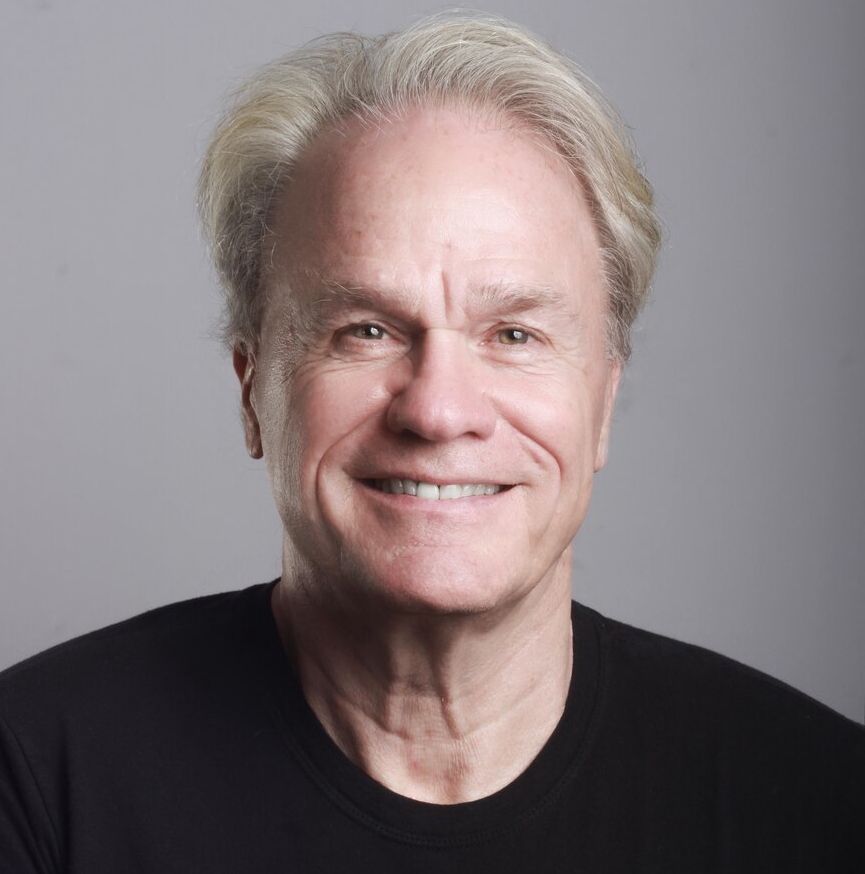
James N. Green, historian of Brazil and Carlos Manuel de Céspedes Professor of Modern Latin American History (Emeritus) at Brown University.
7
APPEARANCES
2
PODCASTS
Nov 4, 2026

James GreenGUEST
No, the problem that he has is that the main argument, they're making two main arguments.
James GreenGUEST
One is that there was electoral impropriety because the Supreme Court ordered the extension of the hours for voting for two hours.
James GreenGUEST
It's a very fictitious argument because the party of Flavio Bolsonaro did the same thing, asked for the same extension that the Workers' Party did, and the number of votes was insignificant for the outcome.
James GreenGUEST
So there was a huge historic defeat for Bolsonaro, especially because of the comeback that Lula managed to make.
15 MINS LATER

Gustavo RibeiroHOST
So which Democrats do you think are the most engaged on Brazil and who might become key voices in the new Congress in that bilateral relationship?
Gustavo RibeiroHOST
So can you talk a little bit to people who are listening and watching this? What is the power of the US Congress in foreign policy? Because Congress in the US has way more of a say in regards to foreign policy than it has in Brazil, for instance.
James GreenGUEST
So the reason that Congress in the United States has this power is because of the Nixon administration, the corruption around the Watergate scandal in which the Republicans tried to infiltrate the Democratic Party and eliminate their enemies and this backfired.
James GreenGUEST
And so Nixon was pushed out of office and in 1974, There was a tsunami election in which the Democrats won control of the House and the Senate by a vast majority and implemented a series of reforms, including the War Powers Act, which demanded that the Congress be involved in declaring war.
James GreenGUEST
So precisely this kind of issue will be, I think, taking a lot of Trump's concern.
James GreenGUEST
It's very likely, or at least there's speculation that there will be another incursion into Iran after the midterm elections.
James GreenGUEST
Bibi Netanyahu won a block of votes, but he doesn't have enough members of the Knesset, the parliament, to at this moment form a government.
James GreenGUEST
And it's speculated already in Israel that it's likely that he will try to convince Trump for another attack against Iran.
Gustavo RibeiroHOST
Do you think that this is making any waves, or this is just anecdotal? Is the 5% going to be any factor whatsoever, whether in constituencies in Florida, whether more broadly speaking?
James GreenGUEST
It has the sense that Bernie has a program which is radical and people love his radical program.
James GreenGUEST
But the difference is that Lula comes from a working class background, starting working when he was nine or 10 years old.
James GreenGUEST
He lost one of his fingers, his pinky finger in a factory where he was working as a machinist.
James GreenGUEST
And he led a labor movement which challenged the policies of the dictatorship and became charismatic and popular through this connection, real live connection with ordinary working class people, especially from the Northeast from which he comes and which historically has been one of the poorest areas of the country.
James GreenGUEST
The other reason he's so popular, and I think different from people like Biden, who are around the same age, or even Bernie Sanders, is that he carried out a series of programs when he became president in 2003, which radically changed the lives of people, and many programs.
5 MINS LATER

James GreenGUEST
I think it's very interesting to see how different people in the media have talked about this, journalists, people in the news media.
James GreenGUEST
And actually, the polling indicates that, according to polls, Lula won the debate compared to Falafel, and we could talk about why that might be the case.
James GreenGUEST
I think it was not a debate that could talk substantially about issues, about programs, about policies.
James GreenGUEST
At the end of the day, Lula did make a challenge to Flavio to, if he kept on insisting that Lula was dishonest and was a thief, that then he offered to open up his cell phones and all of his communications to an investigation and called on Flavio to do the same to see if there's any criminal wrongdoing that's hidden in the communications of the president and his family or that of Flavio and his family.
18 MINS LATER
James GreenGUEST
seven states in which there are going to be a second round, which will... theoretically push or pull voters to the polls on either side.
James GreenGUEST
Those people who will be motivated to go in the second round, especially if Bolsonaro's in the head to kind of finish the game off, or those people who are very upset about this and they're really going to push to mobilize, to get people who did not vote, people who, for whatever reason, on the day of the election weren't able to get to the polls, to see if they can turn it around.
James GreenGUEST
And I think it's a very long shot for that to happen, but it's still theoretically possible.
Gustavo RibeiroHOST
I think that gap, because of where these two come from, I think it's significant.

James GreenGUEST
So there are many, many reasons for this, and we could, I could probably list 20 different factors involved, uh, in it.
James GreenGUEST
But one of them I think is that I think since the end of the, uh, the Soviet Union, um, in Latin America and especially Brazil, there remained a very strong kind of Marxist left that had certain amount of support and very strong anti-American sentiment, which kind of reinforced that, combined with the social democracy model, which has not been able to meet the needs of the country because the country is kind of tied in a, a structure that prevents the kinds of social democracy programs fully funded that could really address people's needs.
James GreenGUEST
Now, Lula has done that to the extent possible, but for example, it's been impossible in Brazil to tax the rich.
James GreenGUEST
Who gets taxed is the middle class and the lower classes, and there's a lot of sentiment against that.

Ian MastersHOST
So what's the explanation then for the emergence of the evangelical vote? Uh, I think they call it the Pentecostal vote in Brazil.
Gustavo RibeiroHOST
Uh, h- how do you see the environment around the election in this home stretch?
James GreenGUEST
So I think first of all, we can say that there has not been as much interest and enthusiasm about the election as in other years, uh, in terms of campaigning, people talking about it, getting out the vote, convincing friends for whom to vote, et cetera.
James GreenGUEST
And, uh, yesterday in São Paulo, there was a, a big rally for the Workers' Party at, uh, on Paulista Avenue.
James GreenGUEST
And you saw a lot of people campaigning with their banners and passing out the little stickers and flyers, but not the energy that I've seen in other years.
James GreenGUEST
The other thing I've observed, and this is reinforced by every conversation I've had with my famous Uber drivers, is that, uh, the country's very polarized.
9 MINS LATER