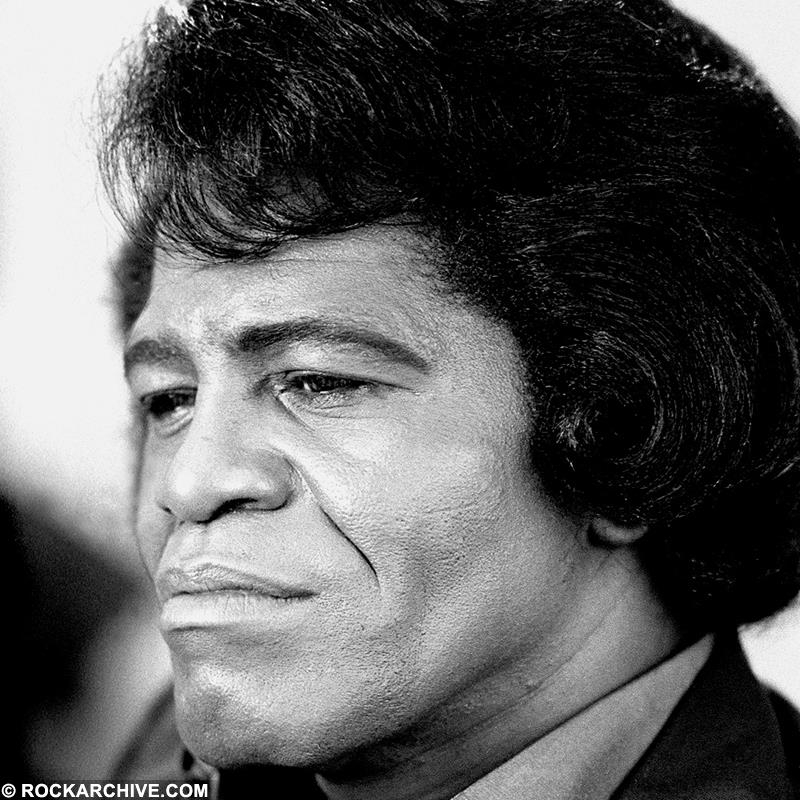
James D. J. Brown
Professor of Political Science at Temple University, Japan Campus, specializing in Russia-Japan relations, Japanese foreign policy, and Russian espionage.
1
APPEARANCES
1
PODCASTS
Jul 29, 2026

7:58

I was going to ask you actually, from the historical perspective, how major a development is this if you go back over the long period that you reviewed in your recent book?

James D. J. BrownGUEST
So, you know, Japan had, uh, very capable security services prior to 1945.
James D. J. BrownGUEST
One can say notorious with the Tokko Kenpeitai and with the Nakano School training up the military intelligence officers.
James D. J. BrownGUEST
Also, at that time, you had the Peace Preservation Law, which was introduced in 1925.
James D. J. BrownGUEST
And as a reaction against that, when you have the post-war situation, the democratization of Japan, you have the elimination of much of those security capabilities, which of, of course, was a good thing.
8 MINS LATER
16:34
So would you like to say something about what is the scale of the challenge there for Japan, as also as it relates to these public opinion concerns?