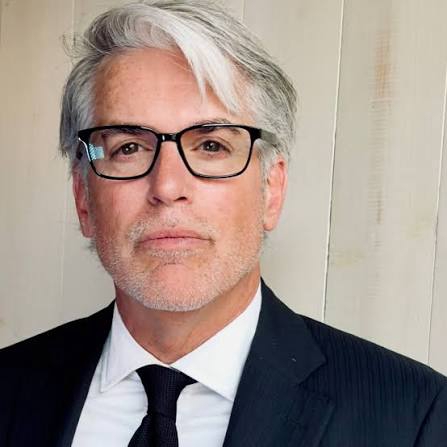
James Baird
PCA pastor of Christian Education at Covenant Church of Naples and author of King of Kings: A Reformed Guide to Christian Government
8
APPEARANCES
4
PODCASTS
Nov 12, 2026
24 MINS LATER

James BairdGUEST
Well, it used to be a very – in fact, I think I would say before 2016, this was something very common for Christians to say, which is that you have a duty to vote.
James BairdGUEST
And I think people had a really hard time voting for Donald Trump, frankly, in 2016.
James BairdGUEST
When you have – Two, you know, I'm going to talk in categories of presidential elections because it's simpler, but we are doing a midterm election where you're picking congressmen and local officials, things like that.
5 MINS LATER

James BairdGUEST
okay so these are the ones that are the broadest brown grounds um in theory okay so they would be they would and in theory they would have to meet two qualifications the first one would be that it broke god's law okay in some way or another, and we can expound on what that means, but it broke God's law.
Levi SecordGUEST
So my question is, to that end, well, first, elaborate on what you did and did not mean by that comment.


James BairdGUEST
I think that absolutely every time you see government, you see abuses, and I think that you can make a similar argument against something like the institution of the family, you know? That there are abuses every time you see it.
James BairdGUEST
But the whole point of government is to preserve human society and to ensure that it flourishes and does well.
James BairdGUEST
And society's not fallen i- on the whole into anarchy for however many thousands of years you think the Earth is.
James BairdGUEST
It's continued to preserve humanity, and the government has been a huge part in organizing the playground of particularly the West so that we've gone to the moon.
James BairdGUEST
So I wouldn't agree that over the shape of human history, you see there, you know, more bad government than good government.
7 MINS LATER

James BairdGUEST
I'm sure there's people out there who are better experts on Charlemagne or, uh, than I am, but it seems to me that we're not entirely clear on exactly what was going on there, okay? So there's a big difference between how this moment is utilized as kind of, uh, papist propaganda or Roman Catholic propaganda, and what was actually happening.
James BairdGUEST
'Cause the question here is, was, uh... did the Pope use this as an opportunity to signal that he's the one who grants civil authority? Did...
James BairdGUEST
Was it Charlemagne's idea because it would give him further legitimacy, uh, uh, with the kind of Eastern powers in Rome? We're not entirely sure exactly, uh, why that happened, um, what were the backroom conversations going on.
James BairdGUEST
But the interesting thing that we do know is how that is utilized going forward throughout history as evidence that the Pope is the one who kind of has authority over the civil sword.
32 MINS LATER
James BairdGUEST
I got a lot of thoughts because I've been doing a lot of work on this movement that started in roughly 1864 to change the Constitution of the United States, to amend it.
James BairdGUEST
Now, as you noted, this is something that the Covenanters had been... boldly, boldly exhorting the nation to do for forever.
James BairdGUEST
But the movement didn't get any steam until one, the Civil War happens, which absolutely was a theological crisis for the nation.
James BairdGUEST
They had seen all of their victories as God's providential blessing upon the nation.
James BairdGUEST
And so what happens when now you have a civil war where no matter who wins, we lose, right? Which is just how they feel.
33 MINS LATER

George SayourGUEST
are ruling, it's they elect people representatively who then actually have the authority to do things whether the people want them to or not, again, within the confines of the