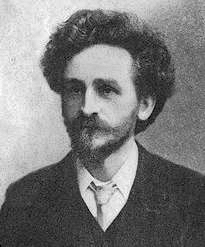
James Allen
Writer
7
APPEARANCES
5
PODCASTS
Sep 22, 2026


James AllenGUEST
And when we would contact about getting those items, it was, "Don't you understand? We're grieving over here.
James AllenGUEST
I lost my husband." I was very understanding and said, "Okay, just let me know when you're ready.
32 MINS LATER

Matt AllenGUEST
Like I said, the rest of my life will be missing and piece without him, 'cause I know he's not here

3:58

What would you say to farmers putting in personal informational data into tools and how to protect themselves?
James AllenGUEST
I think there's quite an issue at the farm level around data security, data governance, the ethics of what we're doing.
James AllenGUEST
And if I think to the bigger corporations and the banks and so forth, they've got pretty clear AI protocols and ethics wrapped around it.
James AllenGUEST
How are we applying that at the farm level? So I think there is quite a process we need to think about around security, ethics.
James AllenGUEST
Are you paying for a paid subscription, which does give you an extra layer of security there? Where are your backups in your farm system for your data? And how transferable is that data from farm manager to farm manager? Because we're still losing quite a lot of IP as farm managers move on.
7:21
Is AI going to take away from the value and how do you change your value proposition to farmers?


James AllenGUEST
Well, if we just reflect back on the last year or so, we've had a stellar year, really.
James AllenGUEST
But when we look forward... we're seeing a definite increase in fuel costs, which is driving feed costs, fertilizer costs, and a number of other issues like water pipe and just general on-farm inflation.
James AllenGUEST
So going back to your question, how do we do this? I think we're moving to this world of a more precise way of farming, and we've got the data there now and the information to do it.
6 MINS LATER
James AllenGUEST
Well, if we just reflect back on the last year or so, we- we've had a stellar year really.
James AllenGUEST
The payout's been great and it's been a, an excellent growing season, and so we're, we've seen this good lift in profitability.
James AllenGUEST
But when we look forward, we're seeing a definite increase in fuel costs, which is driving feed costs, fertilizer costs, and a number of other issues like water pipe and just general on-farm inflation.
James AllenGUEST
So going back to your question, you know, how do we do this? I think we're moving to this world of a more precise way of farming, and we've got the data there now and the information to do it.
6 MINS LATER


James AllenGUEST
It's got a Google Maps style interface where you essentially create virtual paddocks.
James AllenGUEST
And that will prevent your animals from leaving those paddocks using a pulse-based system.
James AllenGUEST
So through the collar, it will have an audio-type tone when it goes up to a virtual boundary.

James AllenGUEST
We're doing enough trying to mess with reality and create a world which is not real.
James AllenGUEST
I can't layer on top of that the fact that I'm going to pretend to be, you know, a, a 1920s chimney sweep Who is also doing magic.
James AllenGUEST
So in the show, we own the fact that we're in this weird building and we're in this classroom, and so everything has this kind of weird pseudo educational feel to it, even though, like, all the lessons that I'm providing you are, are, are, are technically false.
James AllenGUEST
And I mean, that's, and that's part of the fun of it is you get left at the end of the show going like, "Well, he told us a series of things, and some of it is true and some of it is completely not, and some of it is sort of in a gray area in between," and you're just, you know...
11 MINS LATER
David PeckHOST
So I'd love to hear a little bit more about that as you wrote, produced, and Jamie, as you directed this show, and maybe as we sort of wrap this up in the next few minutes, I'd love to hear more about some of that, you know, deeper meaning.
17:45
James, how do you go about advising farmers that are kind of overwhelmed around how to use Holter? And from the farms that you looked at in the study, give us some insight into who's getting the most out of it and how they're getting the most out of it.
James AllenGUEST
So how to get the most out of it? It's like any piece of new technology in a way.
James AllenGUEST
If you just put it on your farm like a fancy new tractor and you treat it like a Massey 35, you're not going to get the benefits.
James AllenGUEST
So the point is you've got to do things differently and you've got to work to get the benefits from that technology.
James AllenGUEST
So the point there is if you're going to do what you've always done, is this technology right for you? You've got to think differently and make the most of it.
14 MINS LATER
32:08
James, what excites you sort of in the environmental evidence space and where it can evolve?