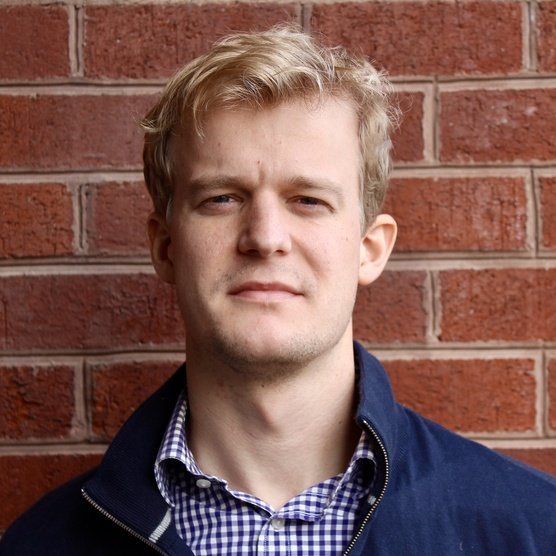
Jacob Ware
Researcher
9
APPEARANCES
9
PODCASTS
Oct 10, 2026


Jacob WareGUEST
Yeah, before I answer that, I'll just reflect on something you said at the start of our chat, which was, As a historian, which my colleague is, which Bruce Hoffman is, it's really interesting to look at this movement from the various major moments in its history.
Jacob WareGUEST
I think that's one of the accomplishments of our book is the American people, our readers, They remember a lot of these moments.
Jacob WareGUEST
They remember the 2018 Pittsburgh attack, the deadliest anti-Semitic attack in our country's history.
10 MINS LATER

Chris MillingtonHOST
But do you think there is anything specifically American about the groups and the figures that you cover in the book? Or is there anything peculiar to American politics or society that has caused the far right to take this path?

Chris MillingtonHOST
And so we're coming towards the present day now, and, and in the past decade or so, you write that a particular rally at Charlottesville in August 2017 marked, this is a quote, "marked the advent of a new far right." So, uh, once again, I'm asking, uh, how, how were things different on the far right?
Jacob WareGUEST
Yeah, before I answer that, I'll just reflect on something you said at the start of our, of our chat, which was, you know, as a historian, uh, which, which my colleague is, uh, which Bruce Hoffman is, um, you know, it's really interesting to look at this movement from, uh, the various kind of major moments in its history.
Jacob WareGUEST
And I think that's one of the accomplishments of our book is, you know, the American people, our readers, um, they remember a lot of these moments.
Jacob WareGUEST
You know, they remember Ruby Ridge, they remember Waco, Oklahoma City, obviously, even events before that, but they sure remember Charlottesville.
Jacob WareGUEST
They remember the 2018 Pittsburgh attack, the deadliest anti-Semitic attack in our country's history.
Jacob WareGUEST
They remember Christchurch, they remember El Paso, but perhaps they've never put it in one thread before.
10 MINS LATER
Chris MillingtonHOST
But do you think there is anything specifically American about the groups and the figures that you cover in the book, or is there anything pecu- peculiar to American politics or society that has caused the far right to take this path?

Chris MillingtonHOST
And so we're coming towards the present day now, and, and in the past decade or so, you write that a particular rally at Charlottesville in August 2017 marked, this is a quote, "marked the advent of a new far right." So, uh, once again, I'm asking, uh, how, how were things different on the far right?
Jacob WareGUEST
You know, before I answer that, I'll just reflect on something you said at the start of our, of our chat, which was, you know, as a historian, uh, which, which my colleague is, uh, which Bruce Hoffman is, um, you know, it's really interesting to look at this movement from, uh, the various kind of major moments in its history.
Jacob WareGUEST
And I think that's one of the accomplishments of our book is, you know, the American people, our readers, um, they remember a lot of these moments.
Jacob WareGUEST
You know, they remember Ruby Ridge, they remember Waco, Oklahoma City, obviously, even events before that.
Jacob WareGUEST
They remember the 2018 Pittsburgh attack, the deadliest anti-Semitic attack in our country's history.
10 MINS LATER
Chris MillingtonHOST
But do you think there is anything specifically American about the groups and the figures that you cover in the book, or is there anything parti- peculiar to American politics or society that has caused the far right to take this path?

Chris MillingtonHOST
And so we're coming towards the present day now and, and in the past decade or so, you write that a particular rally at Charlottesville in August 2017 marked, this is a quote, "marked the advent of a new far right." So once again, I'm asking, uh, how, how were things different on the far right?
Jacob WareGUEST
You know, before I answer that, I'll just reflect on something you said at the start of our, of our chat, which was, you know, as a historian, uh, which, which my colleague is, uh, which Bruce Hoffman is, um, you know, it's really interesting to look at this movement from, uh, the various kind of major moments in its history.
Jacob WareGUEST
And I think that's one of the accomplishments of our book is, you know, the American people, our readers, um, they remember a lot of these moments.
Jacob WareGUEST
You know, they remember Ruby Ridge, they remember Waco, Oklahoma City, obviously, even events before that.
Jacob WareGUEST
They remember the 2018 Pittsburgh attack, the deadliest anti-Semitic attack in our country's history.
10 MINS LATER
Chris MillingtonHOST
But do you think there is anything specifically American about the groups and the figures that you cover in the book, or is there anything pettu- peculiar to American politics or society that has caused the far right to take this path?

Jacob WareGUEST
Yeah, before I answer that, I'll just reflect on something you said at the start of our chat, which was, As a historian, which my colleague is, which Bruce Hoffman is, it's really interesting to look at this movement from the various major moments in its history.
Jacob WareGUEST
I think that's one of the accomplishments of our book is the American people, our readers, They remember a lot of these moments.
Jacob WareGUEST
They remember the 2018 Pittsburgh attack, the deadliest anti-Semitic attack in our country's history.
10 MINS LATER
Chris MillingtonHOST
But do you think there is anything specifically American about the groups and the figures that you cover in the book? Or is there anything peculiar to American politics or society that has caused the far right to take this path?

Chris MillingtonHOST
And so we're coming towards the present day now, and, and in the past decade or so, you write that a particular rally at Charlottesville in August 2017 marked, this is a quote, "marked the advent of a new far right." So, uh, once again, I'm asking, uh, how, how were things different on the far right?
Jacob WareGUEST
Yeah, before I answer that, I'll just reflect on something you said at the start of our, of our chat, which was, you know, as a historian, uh, which, which my colleague is, uh, which Bruce Hoffman is, um, you know, it's really interesting to look at this movement from, uh, the various kind of major moments in its history.
Jacob WareGUEST
And I think that's one of the accomplishments of our book is, you know, the American people, our readers, um, they remember a lot of these moments.
10 MINS LATER
Chris MillingtonHOST
But do you think there is anything specifically American about the groups and the figures that you cover in the book, or is there anything partu- peculiar to American politics or society that has caused the far right to take this path?


Peter BeckHOST
Could you talk about what those groups are, what the individuals are involved, and that sort of thing?
Jacob WareGUEST
Well, well first I would just echo what Seamus pointed out, which is I think the danger and opportunity with, with a term like NVE is it, it is going to become a capsule.
Jacob WareGUEST
So part of what I was trying to, to get at, at, in that Lawfare piece that came out, I think in December, was, was trying to a- assess how this term might actually address trends or themes or topics or groups, actors that have been around, uh, since long before March twenty twenty-five.
8 MINS LATER

Seamus HughesGUEST
So it requires a level of resources and bringing in different folks into this data set, into the, into this response in a way that counterterrorism hasn't traditionally done.

Jacob WareGUEST
Early this year, for example, there were a number of fire bombings at Tesla stores or, uh, other Tesla infrastructure.
Jacob WareGUEST
If somebody is using incendiary devices, uh, against civilian targets for political purposes, those don't seem to be counted.

Odette YousefCORRESPONDENT
And he says the question of whether their violence stemmed from far left or far right tendencies is, more often than not, unclear.
Jacob WareGUEST
We really need to get statements or justifications, motivations from perpetrators, and I don't think we have that, um, in the Charlie Kirk assassination or the Minnesota assassination.
Jacob WareGUEST
So I would argue there's a world in which neither of those people should be coded as, as terrorists.
Jacob WareGUEST
I mean, they're clearly assassins, but I just don't think we have the information yet that would allow us to code them as terrorists.


Laura Barron-LopezCORRESPONDENT
The president says that his attacks on universities, that his, uh, restrictions that he's placing on universities like Harvard are in the name of combating antisemitism, but does this track record show the opposite?
Jacob WareGUEST
Well, actually, Laura, this is something that does go back to the first administration.
Jacob WareGUEST
Uh, the place where we saw this, this rapprochement between Trump and the, and the violent far right, the first time we saw that was at Charlottesville, where a white supremacist attack happened on behalf of an overtly neo-Nazi cause with people who were there as overt neo-Nazis.
Jacob WareGUEST
Years later, he told the Proud Boys during a presidential debate to stand back and stand by.
Jacob WareGUEST
So President Trump has repeatedly during his time in office, um, appealed to not just people who have, uh, what you might call far right ideology or views, but even people who are willing to act out in violence on behalf of those, those views.
Jacob WareGUEST
What is less clear to me is, is whether President Trump shares these memes, these ideas deliberately, whether it's a dog whistle, whether it's unknown.