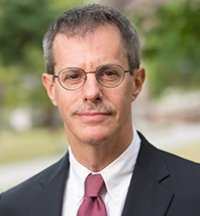
Jacob Holzer
Psychiatrist and national security researcher; Clinical Staff Associate in Geriatric Psychiatry at McLean Hospital and Assistant Professor at Harvard Medical School; board-certified in forensic psychiatry.
1
APPEARANCES
1
PODCASTS
Jun 22, 2026


Jacob HolzerGUEST
So, you know, one area that, and again, a lot of this stuff is interconnected, but that whole area of extremism and radicalization, and we're sort of not talking about You know, so I want to clarify that I'm not talking about any specific, let's say, ideology or political persuasion.
Jacob HolzerGUEST
You know, what I'm sort of talking about are people who are, you know, more extremist in thinking compared with people who are like more moderate or centrist in thinking.
15 MINS LATER

Jim CardosoHOST
Can you expand a bit on what this integrated approach, what that entails and why that's so important?