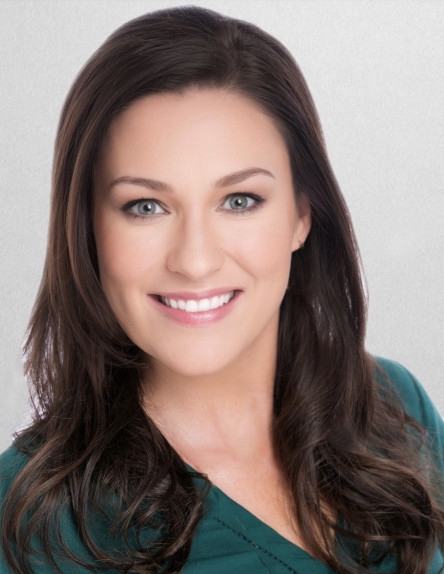
Jackie Schneider
Dr. Jacquelyn Schneider, Hargrove Hoover Fellow at Stanford's Hoover Institution and Director of the Hoover Wargaming and Crisis Simulation Initiative, researching cybersecurity, cyber-nuclear stability, and emerging tech.
1
APPEARANCES
1
PODCASTS
May 27, 2026


Ryan VestHOST
How does the growing use of AI and machine learning in ISR change the balance between better warning and greater escalation risk?

Jackie SchneiderGUEST
So, um, when nuclear weapons first came into the scene, there were actually very few ways for states to get any indications and warnings that these were going to be launched.
Jackie SchneiderGUEST
And some of the primary means that we were able to know that a missile was launched was through, um, really sophisticated satellites, and that was their whole mission, right? They were trying to detect the infrared, the heat that comes off these launches.
Jackie SchneiderGUEST
Even actually during the Cold War, the Russians or the Soviets at the time actually had anti-satellite weapons, and we were concerned about these vulnerabilities.
21:29

So how do you think that the uncertainty that you've, you've been talking about affects human decision makers or could affect them during potential crises? And how do you weigh that element of human perception of, of the uncertainty around cyber operations versus the sort of actual technical effects of cyber attacks themselves?