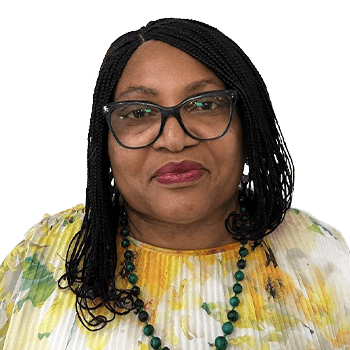
Inyang Takon
Consultant Neurodevelopmental Paediatrician (NHS, Hertfordshire) and host of the Early Intervention Matters podcast on ADHD, autism, FASD and other neurodevelopmental conditions.
4
APPEARANCES
4
PODCASTS
Nov 9, 2026


Patti KasperHOST
Is it that you weren't seeing it or is it that you didn't realize you had been seeing it all

Inyang TakonGUEST
So that's what actually prompted me because I felt I must be missing several children coming in.
17 MINS LATER

EmilyHOST
So,
Inyang TakonGUEST
let's say, shuns and people were calling behaviours at that time, you know, there were lots of behaviours.
Inyang TakonGUEST
But when we look at those children now, we understand Even in the clinics as well, there were children who came in and, you know, sometimes because they didn't present in a particular work, sometimes their difficulties were not well understood.
Inyang TakonGUEST
A difference in the way we assess now that we actually cover, you know, delve down and delve into the quality of the behaviors.
Inyang TakonGUEST
It's not just a description of is it present or is it not? We're actually delving more into the quality of the behaviors.
44 MINS LATER
EmilyHOST
It was

EllieHOST
would that would that would upset me because you become sort of close to the child exactly you care about their welfare more than anything and then you wave them goodbye and you don't see them again and so i completely I get attached to people so I completely understand that yeah what has kept you passionate about this work for more than 30 years it's a long time to be passionate about something
Inyang TakonGUEST
Well, I think what's made me passionate is the fact that you become part of a child and family's journey.
Inyang TakonGUEST
It's almost as if children's future were written up at the time that they were going through that initial crisis process.
Inyang TakonGUEST
But being able to work with them, and I've seen lots and lots of children who have achieved so much, gone on to live independent lives, who have done excellently well.
Inyang TakonGUEST
And that's when I, you know, I became passionate because I was not only seeing a child from a little aspect, but I was becoming part of that child's journey to actually help to change a child's life and trajectory.
20 MINS LATER
EllieHOST
big assessment that you could have paid thousands of pounds for or you could have got on the NHS and what are they expecting on that actual day do you get an answer on you know I know I've been to assessments but for anyone else do you get an answer on the day do they send you home with medication what happens

BlessedHOST
Now, Dr. Sakon, why do you think conditions like ADHD and autism are still so misunderstood, particularly within minority and African communities?
Inyang TakonGUEST
Yes, thank you for that question, because it's one of the reasons that I actually started the podcast.
Inyang TakonGUEST
If you look back in our society, there is a belief that, you know, the way behavior is looked at is if somebody doesn't behave in the right way, they are, you know, they're called naughty, rude people.
Inyang TakonGUEST
And so any behavior that does not align with what society believes is the right way, that person is not given a chance.
Inyang TakonGUEST
They cannot explain themselves and they are not looked upon favorably in the society.
Inyang TakonGUEST
Now, there might be reasons people don't believe, you know, stay or they don't understand or they're not aware.
8 MINS LATER
BlessedHOST
What have those experiences taught you about the universal needs of children and families?