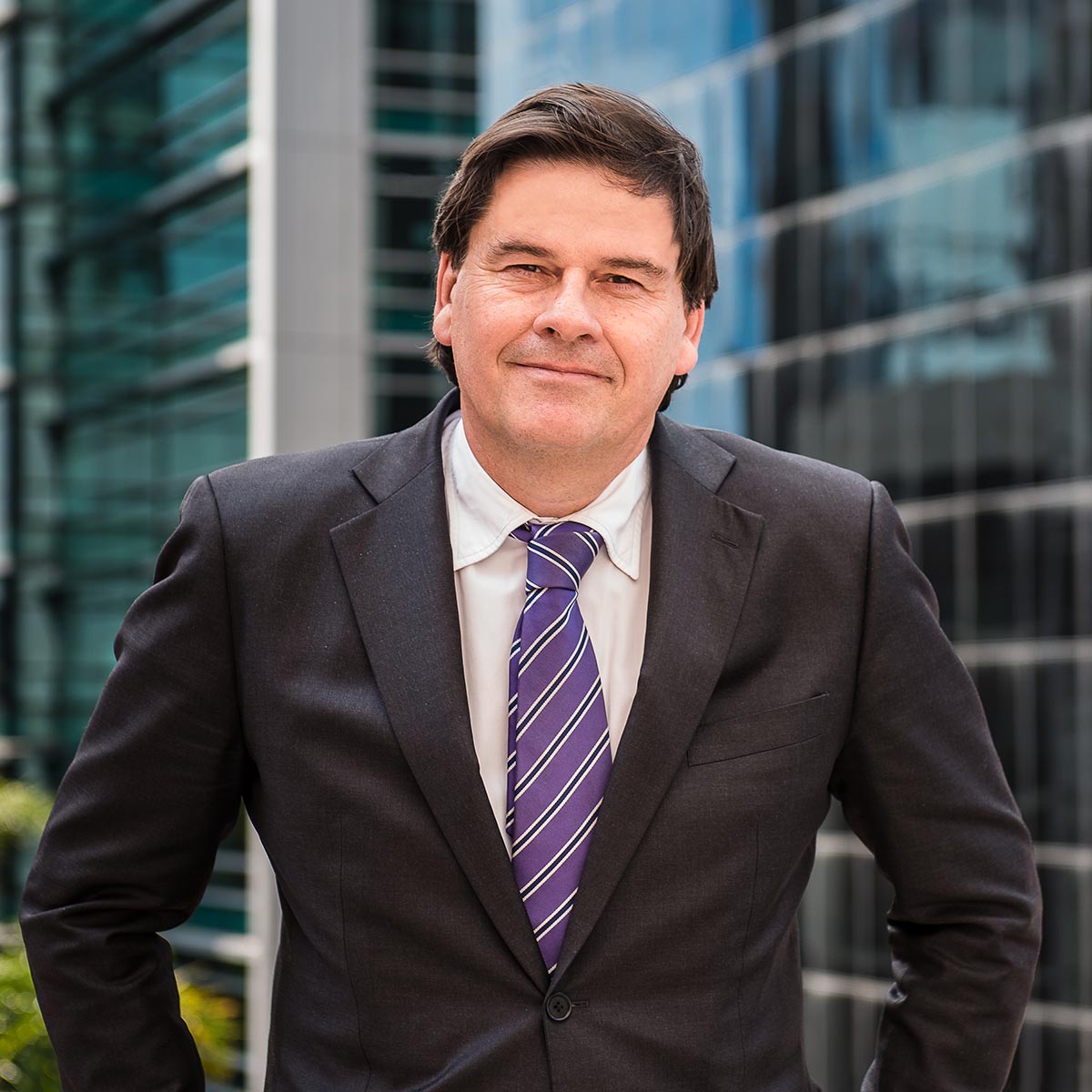
Innes Willox
CEO of the Australian Industry Group
28
APPEARANCES
20
PODCASTS
Oct 9, 2026


Innes WilloxGUEST
Well, for about six months of the year, businesses that are operating nationally across Australia have to now operate on at least four different time zones.
Innes WilloxGUEST
And from the beginning of daylight savings, it means that Queensland is an hour behind Victoria and New South Wales and Tasmania on the east coast.

Josh BryantHOST
Is this, as far as the options go, a relatively simple way that we could help boost that productivity here?

Innes WilloxGUEST
Well, for about six months of the year, businesses that are operating nationally across Australia have to now operate on at least four different time zones.
Innes WilloxGUEST
And from, you know, the beginning of daylight savings, it means that, you know, Queensland is an hour behind Victoria and New South Wales and Tasmania are on the East Coast, and it just adds more complications for business.
Innes WilloxGUEST
The East Coast of the country, which they sit on, has been up and operating for an hour before, you know, Queensland gets going.
Josh BryantHOST
Is this, as far as the options go, a relatively simple way that we could help boost that productivity here?

Innes WilloxGUEST
Well, for about six months of the year, businesses that are operating nationally across Australia have to now operate on at least four different time zones.
Innes WilloxGUEST
And from, you know, the beginning of daylight savings, it means that, you know, Queensland is an hour behind- Victoria and New South Wales and Tasmania are on the East Coast, and it just adds more complications for business.
Innes WilloxGUEST
The East Coast of the country, which they sit on, has been up and operating for an hour before, you know, Queensland gets going.
Josh BryantHOST
Is this, as far as the options go, a relatively simple way that we could help boost that productivity here?

Innes WilloxGUEST
Well, for about six months of the year, businesses that are operating nationally across Australia have to now operate on at least four different time zones.
Innes WilloxGUEST
And from the beginning of daylight savings, it means that Queensland is an hour behind Victoria and New South Wales and Tasmania on the east coast.
Josh BryantHOST
Is this, as far as the options go, a relatively simple way that we could help boost that productivity here?

Innes WilloxGUEST
Well, for about six months of the year, businesses that are operating nationally across Australia have to now operate on at least four different time zones.
Innes WilloxGUEST
And from the beginning of daylight savings, it means that Queensland is an hour behind Victoria and New South Wales and Tasmania on the east coast.
Josh BryantHOST
Is this, as far as the options go, a relatively simple way that we could help boost that productivity here?

Innes WilloxGUEST
Well, for about six months of the year, businesses that are operating nationally across Australia have to now operate on at least four different time zones.
Innes WilloxGUEST
And from, you know, the beginning of daylight savings, it means that, you know, Queensland is an hour behind- Victoria and New South Wales and Tasmania are on the east coast, and it just adds more complications for business.
Innes WilloxGUEST
The east coast of the country, which they sit on, has been up and operating for an hour before, you know, Queensland gets going.
Josh BryantHOST
Is this, as far as the options go, a relatively simple way that we could help boost that productivity here?

Innes WilloxGUEST
Well, for about six months of the year, businesses that are operating nationally across Australia have to now operate on at least four different time zones.
Innes WilloxGUEST
And from, you know, the beginning of daylight savings, it means that, you know, Queensland is an hour behind- Victoria and New South Wales and Tasmania are on the East Coast, and it just adds more complications for business.
Innes WilloxGUEST
The East Coast of the country, which they sit on, has been up and operating for an hour before, you know, Queensland gets going.
Josh BryantHOST
Is this, as far as the options go, a relatively simple way that we could help boost that productivity here?

Innes WilloxGUEST
Well, for about six months of the year, businesses that are operating nationally across Australia have to now operate on at least four different time zones.
Innes WilloxGUEST
And from, you know, the beginning of daylight savings, it means that, you know, Queensland is an hour behind- Victoria and New South Wales and Tasmania are on the east coast, and it just adds more complications for business.
Innes WilloxGUEST
The east coast of the country, which they sit on, has been up and operating for an hour before, you know, Queensland gets going.
Josh BryantHOST
Is this, as far as the options go, a relatively simple way that we could help boost that productivity here?

Innes WilloxGUEST
Well, for about six months of the year, businesses that are operating nationally across Australia have to now operate on at least four different time zones.
Innes WilloxGUEST
And from the beginning of daylight savings, it means that Queensland is an hour behind Victoria and New South Wales and Tasmania on the east coast.
Josh BryantHOST
Is this, as far as the options go, a relatively simple way that we could help boost that productivity here?

Innes WilloxGUEST
Well, for about six months of the year, businesses that are operating nationally across Australia have to now operate on at least four different time zones.
Innes WilloxGUEST
And from the beginning of daylight savings, it means that Queensland is an hour behind Victoria and New South Wales and Tasmania on the east coast.
Josh BryantHOST
Is this, as far as the options go, a relatively simple way that we could help boost that productivity here?

Innes WilloxGUEST
Well, for about six months of the year, businesses that are operating nationally across Australia have to now operate on at least four different time zones.
Innes WilloxGUEST
And from, you know, the beginning of daylight savings, it means that, you know, Queensland is an hour behind- Victoria and New South Wales and Tasmania are on the East Coast, and it just adds more complications for business.
Innes WilloxGUEST
The East Coast of the country, which they sit on, has been up and operating for an hour before, you know, Queensland gets going.
Josh BryantHOST
Is this, as far as the options go, a relatively simple way that we could help boost that productivity here?

Innes WilloxGUEST
Well, for about six months of the year, businesses that are operating nationally across Australia have to now operate on at least four different time zones.
Innes WilloxGUEST
And from, you know, the beginning of daylight savings, it means that, you know, Queensland is an hour behind- Victoria and New South Wales and Tasmania are on the east coast, and it just adds more complications for business.
Innes WilloxGUEST
The east coast of the country, which they sit on, has been up and operating for an hour before, you know, Queensland gets going.
Josh BryantHOST
Is this, as far as the options go, a relatively simple way that we could help boost that productivity here?

Innes WilloxGUEST
Well, for about six months of the year, businesses that are operating nationally across Australia have to now operate on at least four different time zones.
Innes WilloxGUEST
And from, you know, the beginning of daylight savings, it means that, you know, Queensland is an hour behind- Victoria and New South Wales and Tasmania are on the east coast, and it just adds more complications for business.
Innes WilloxGUEST
The east coast of the country, which they sit on, has been up and operating for an hour before, you know, Queensland gets going, and so they miss out on that front as well.
Innes WilloxGUEST
It means businesses have to r- remain open longer if they're just on the east coast just to service Queensland.
Josh BryantHOST
Is this, as far as the options go, a relatively simple way that we could help boost that productivity here?

Innes WilloxGUEST
Well, for about six months of the year, businesses that are operating nationally across Australia have to now operate on at least four different time zones.
Innes WilloxGUEST
And from the beginning of daylight savings, it means that Queensland is an hour behind Victoria and New South Wales and Tasmania on the east coast.
Josh BryantHOST
Is this, as far as the options go, a relatively simple way that we could help boost that productivity here?
Innes WilloxGUEST
Well, look, it's not the biggest thing of all time, but with everything else going on in the world at the moment, but it is important.
Innes WilloxGUEST
We came out last year as a country out of the economic roundtable back in August last year and made the determination that we wanted to be a single national economy and to operate as one unit.
Innes WilloxGUEST
And when we get into daylight, say, which starts this week, Queensland up north drifts an hour behind the rest of the country on the east coast.
Innes WilloxGUEST
And what happens for Queensland is that they start now an hour behind the rest of the east coast and they remain out of sync forever.
Michael McLarenHOST
Is there any evidence, though, that Queensland's economy is less productive than the other states because of or as a result of daylight saving? Is there any sort of empirical evidence to suggest that getting up an hour earlier or going to bed an hour later or whatever improves the productivity of those jurisdictions? Absolutely.


Innes WilloxGUEST
Well, firstly, the, the migration program and migration settings aren't set in stone.
Innes WilloxGUEST
But what's been proposed here, particularly around skilled migration, would be particularly devastating for Australian businesses.
Innes WilloxGUEST
We're already seeing, um, s- real shortages when it comes to labor and skills in areas that we, that we want to prosper in, in, uh, construction, in national security, in infrastructure building.
Innes WilloxGUEST
Everything from engineers through to welders through to abattoir workers through to cybersecurity experts.
Innes WilloxGUEST
It's individual workers, individual employees who have worked and are now sort of getting to an age of retirement.
Innes WilloxGUEST
going on to the pension would like to keep working a bit or a lot depending on their circumstances and you've got employers who are facing into productivity labor and skills issues which are really hamstringing them at the moment so you put the two of them together we've got a system that's not really working because you're seeing you know our demographics and our economics are changing jamie in 1991 16 of the hours worked in our economy were done by workers over 50 in to get to 2026 that's 30 percent of hours worked done by people over 50. so the workforce is aging uh older workers are carrying more of the burden in terms of hours worked and when they get to pension age or approach it there are now very clear disincentives for them to keep working should they want to do so.
Innes WilloxGUEST
Employers would like people to keep working if they can and want to under different circumstances.
Innes WilloxGUEST
Part-time work, more flexible work, the age that we live in now sort of lends itself to that, but the system is stacked against it.

Jamie BurnettHOST
Is there an element that should be explored in this in terms of how people transition out of work as well and making it a bit more of a softer landing?
Innes WilloxGUEST
We do have a habit of really confusing ourselves and making things really complicated.
Innes WilloxGUEST
And, you know, working when you're older is another one of those areas because it has huge implications for your tax, for your superannuation, you know, all sorts of financial implications if you want to keep working.
Innes WilloxGUEST
So yeah, look, we could, you have to look, this is a question around demographics and economics.
Innes WilloxGUEST
So how much would that cost? If everyone got a pension, you know, there'd be hue and cry about it needing to be means tested and all of that.

Tom ElliottHOST
So is there any appetite in the federal government for reform here, or having had such a bruising time with capital gains tax and negative gearing and fiddling with super, is the era of reform over for the time being?
Innes WilloxGUEST
Well, the data we pulled together shows that we've had this sort of big climb in insolvency since the pandemic.
Innes WilloxGUEST
The first is the pandemic where you saw JobKeeper and the like keep a lot of businesses afloat.
Innes WilloxGUEST
So we went through a period after the pandemic where unfortunately, you know, a large number of businesses closed.
Innes WilloxGUEST
And then you've seen a whole range of other businesses struggle along and try to make it work and not be able to make it work.
Innes WilloxGUEST
Well, the data we pulled together shows that we've had this sort of big climb in insolvency since the pandemic.
Innes WilloxGUEST
The first is the pandemic where you saw JobKeeper and the like keep a lot of businesses afloat.
Innes WilloxGUEST
So we went through a period after the pandemic where unfortunately, you know, a large number of businesses closed.
Innes WilloxGUEST
And then you've seen a whole range of other businesses sort of struggle along and try to make it work and not be able to make it work.

Scott HaywardHOST
In simple terms, Innes, what is the federal government changing when it comes to discretionary trusts, and why will so many small businesses need to restructure?
Innes WilloxGUEST
So Scott, going back to the budget of May the twelfth, the federal government made a surprise announcement that it was gonna impose a thirty percent tax on discretionary trusts.
Innes WilloxGUEST
And, uh, this announcement was made really without any consultation at all and as has become apparent as time has gone on since the budget, really without too much thought around the co-- implications and consequences of that decision, not just economically overall and the impact that it will have on people wanting to start up or run a business in Australia, but in the impact on what it will do to businesses currently operating who o-- who would be hit by that thirty percent tax on those discretionary or family trusts.
Innes WilloxGUEST
And look, the data tells us that just under half a million, four hundred and ninety-four thousand business in-- businesses across Australia, that's just under twenty percent of the total number of registered businesses in Australia, they operate through a trust structure.
Innes WilloxGUEST
Now, the federal government has sort of come to realize that, well, they just can't do this overnight, and they have to give businesses time to adjust.
Innes WilloxGUEST
And as part of that, they've given businesses three years to, to roll over their arrangement, uh, either into a company or into a permanent trust or some other arrangement.
Innes WilloxGUEST
But the issue here that doesn't seem to have been thought through is that registration of trusts and, and rollover of, of these sort of arrangements are actually administered not at the federal level but at the state level.
Scott HaywardHOST
So what are you hearing from small business owners about the cost and the complexity of having to change their structure?
Mark LevyHOST
Mate, I just made a comment earlier that it feels like, you know, it's all about workers, workers, workers, and it's time the government had a look at these insolvency rates, mate, because they clearly indicate that it's business that's really struggling at the moment and those businesses are the ones that are providing the jobs.
Innes WilloxGUEST
Business start-ups is another to look at, and they've been down now for some time.
Innes WilloxGUEST
So, look, I think the economy is going through a very tough patch at the moment, and what we don't need is more regulation now.

Edward BoydHOST
But I guess the key question is, how much electricity are they gonna be drawing from the grid, and is it actually gonna be sustainable?
Innes WilloxGUEST
You know, if you've had anything to do with water politics in Australia, you'll notice that it's all very local, think of the Murray-Darling Basin.
Innes WilloxGUEST
And what we've, we've sought, and energy ministers have come along with this, is, is a couple of very important things.

Innes WilloxGUEST
Not perfect, but there were, there's a lot of measures in here that we pushed for at the roundtable back in August, particularly around regulatory reform, which the government, to their credit, have picked up and run with to make it easier to do business with government, uh, and easier to operate across the states.
Innes WilloxGUEST
The problem is the world has moved on enormously in the past, um, three months.
Innes WilloxGUEST
So we now have, uh, changes to capital gains tax, which make us the number one country in the world for raising capital gains tax.
Samantha DonovanHOST
Innes Willox, just remind listeners what productivity is, and are there any measures in today's budget that you think are going to boost Australia's productivity?

Innes WilloxGUEST
Yeah, even the contact lenses in, in, in some people's eyes have got, you know, film on them, which has got a fuel base in it.
Innes WilloxGUEST
One is shortage, shortage of products that are made from, from, um, you know, fuel-based, that are fuel based.

Clinton MaynardHOST
Innes, given that's the case, given that we're very much dictated to by what's happening overseas, i- is there any local solution to this, or are we just gonna have to accept these higher costs?
Scroll for more appearances