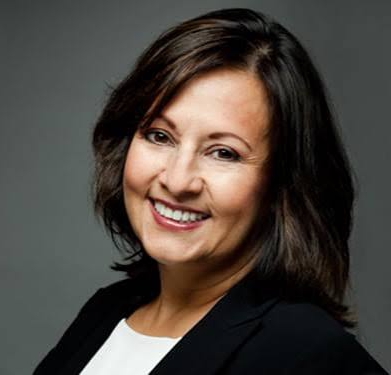
Ingrid Noone
Senior Managing Director and Co-Leader of FTI Consulting's Real Estate Solutions practice, with 30+ years in real estate advisory; CPA and Rutgers graduate.
1
APPEARANCES
1
PODCASTS
Sep 28, 2026


Laura VolanHOST
The rescue capital can create win-win-win for everyone involved in the deal, right? What does that win look like for each party, the borrower, the existing lender, the rescue capital provider, and where do their interests typically diverge during negotiations?

Ingrid NooneGUEST
Well, as I mentioned, you know, everyone wins when each stakeholder group does better when they do a transaction than had they transacted at the distress.
Ingrid NooneGUEST
So for the borrower, instead of having all of their equity wiped out, you know, via a foreclosure, you know, they could stay in the deal and presumably they continue to earn fees as the manager of the property.
Ingrid NooneGUEST
They preserve at least some of the equity, perhaps, maybe not all of it, but at least some of it.
Ingrid NooneGUEST
And they may salvage a new promote into the future if they execute on the business plan successfully.
Ingrid NooneGUEST
And importantly, foreclosure has negative tax ramifications for borrowers, so they may defer a bad tax consequence.
Ingrid NooneGUEST
From the lender's perspective, as I mentioned, they can right-size a loan, they can get a partial repayment.
5 MINS LATER
Laura VolanHOST
How do you price the risk, Ingrid? What kind of return, control rights, preferred position, or data protection does an investor typically need before stepping into a distressed capital stack?