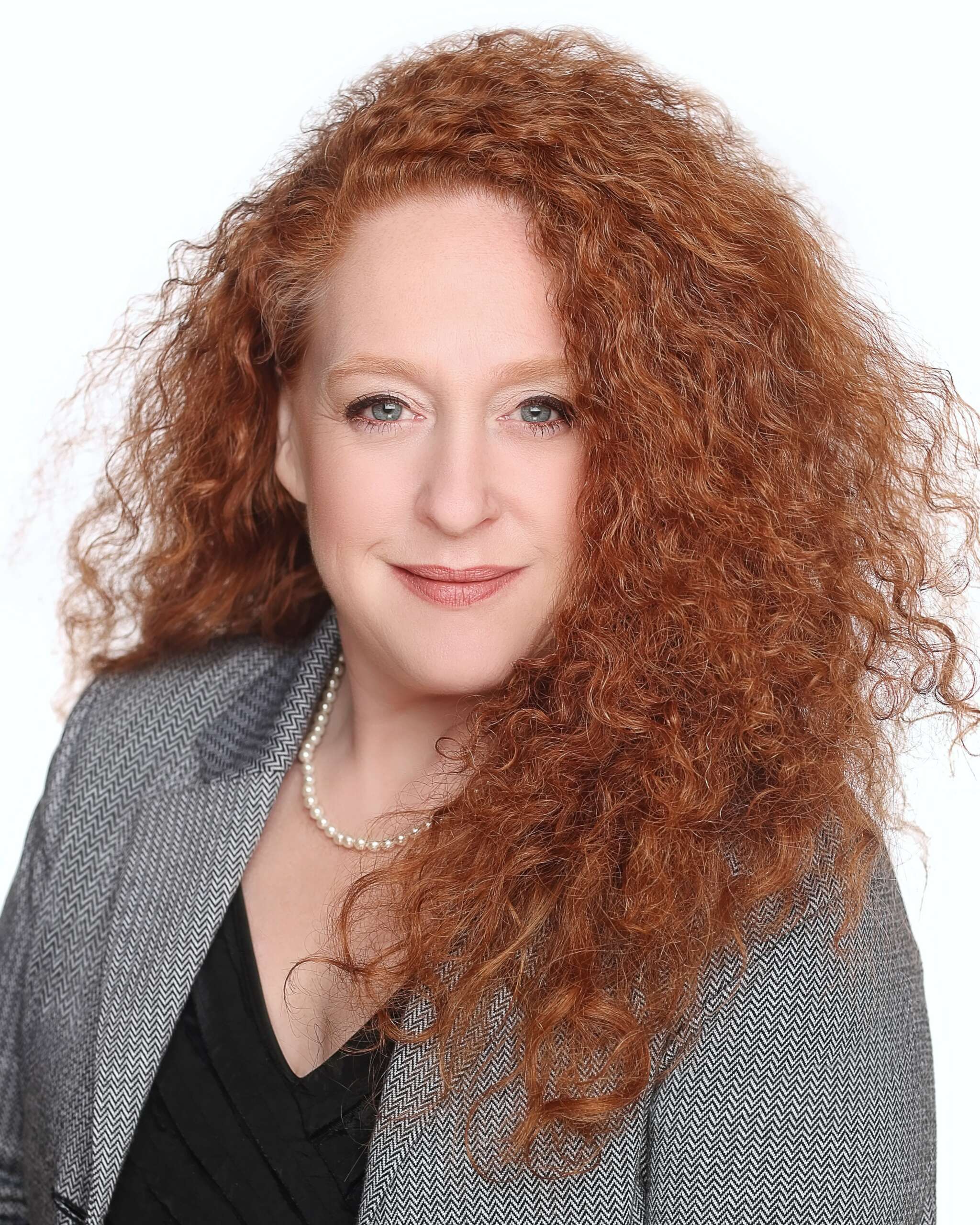
Ilissa Miller
3
APPEARANCES
3
PODCASTS
Sep 22, 2026


Matt VincentHOST
I remember, I think you were showing us some of this stuff on your laptop last time I saw you at our event.

Ilissa MillerGUEST
Yeah, so listen, just to clarify, the framework is meant for municipality and city planners, for elected officials.
Ilissa MillerGUEST
It's meant to be a tool to help them get all of the questions they need to ask in order to assess a development.
Ilissa MillerGUEST
It just gives them the questions because every community is unique and different, and every community needs to have their own mission and vision.
Ilissa MillerGUEST
And if by asking questions helps them get clarity as to what is comfortable, what is appropriate, then the framework is doing its job to help guide them through how to evaluate these developments.
Ilissa MillerGUEST
On the other side of that, when we are engaging developers through our public relations services at IMPR, we have a program that's called Groundswell.
Matt VincentHOST
So the question is, where does good communication strategy end and actual project execution have to take over? You know, what does the industry have to do if social license is going to become an outcome rather than just messaging?


Megan BakerGUEST
this conversation that it's really challenging to penetrate through that right it's very much those types of questions that they're not able to answer about the project specifically because maybe the design is not complete maybe there's nothing for them to show at that point but also the industry as a whole and being able to sort of point to case studies where it's worked well or or justification again for supporting the industry they just don't have the tools that they need yet
Ilissa MillerGUEST
And that's what I wanted to jump in, right? Because Phil mentioned we've been working on the digital infrastructure framework for the better part of about a year now.
Ilissa MillerGUEST
But it was our hypothesis and theory, right, that communities are putting moratoriums in place and they're punting the problem down the road because they simply don't know how to navigate this.
Megan BakerGUEST
Phil, you just touched on this, but The why of why this community or why this specific location or why did we look here? Why do we want to work with you? Why do we want to have this long term relationship as a neighbor in this community? Why did we pick it? I think that that type of messaging can really go far, but I don't think we emphasize it nearly as much as we should.


Carrie CharlesHOST
So how should developers think about site selection, zoning, community fit if they want projects to be received as good development rather than bad development? And just make that distinction in good and bad, if you will.
Ilissa MillerGUEST
It's making sure that, you know, there's enough land for buffer zones and things like that.
Carrie CharlesHOST
How should companies think about that responsibly when they enter a community or even maybe before they enter a community?