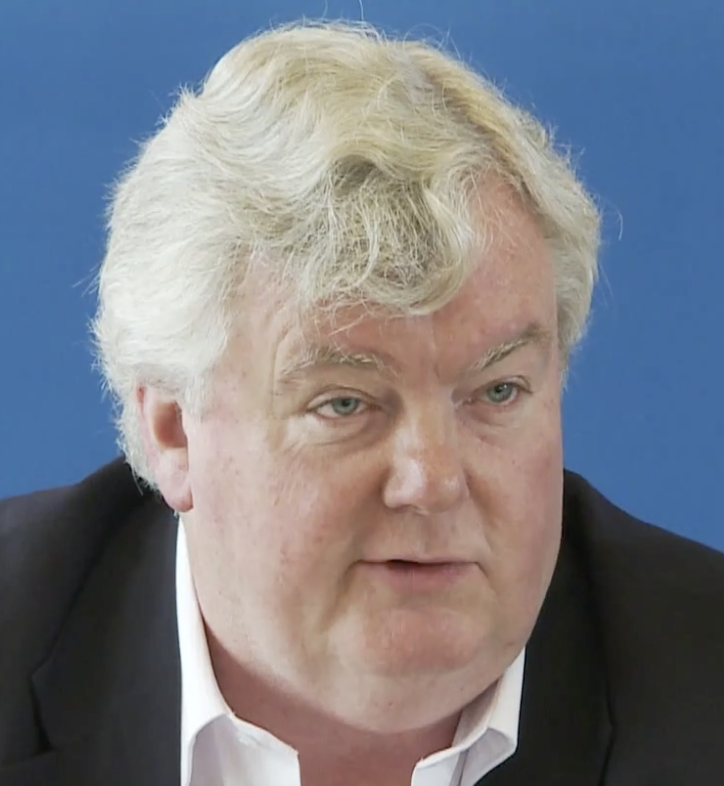
Iain Smith
Film producer
2
APPEARANCES
2
PODCASTS
May 7, 2026

Iain SmithGUEST
And, and like, so again, going to connection, you know, connection, we didn't need to think about it.
Iain SmithGUEST
We've never really as a species needed to think about it because we have evolved to, like, live in communities, live in neighborhoods.
Iain SmithGUEST
Working, we, we would turn up to the office, and you would have your little routines, right? Like, I remember making breakfast in an office, and you'd naturally speak to the same two or three people.
16 MINS LATER

3:39
All right, so it's like this self-reinforcing cycle where European investors piling into US stocks have helped strengthen the dollar, and then that's improved their returns. But now that this virtuous cycle, as you call it, has broken down, what does that mean for the dollar more broadly?
Iain SmithGUEST
Some people think there's something deeper at play here, which is that there is a questioning of the dollar's role as a haven in times of stress, and that's because of concerns that they have over US policy under the new administration, and a sense that the dollar might not provide the same security and haven status that it has historically. So the US has said it's still committed to its strong dollar policy, but there have been lots of ideas flying around and various comments made by people within the administration suggesting they push for a weaker dollar. And just more broadly some concerns people have about, you know, the strength of US institutions and democracy i- is being reflected in some of this investor feeling towards the dollar. That's the argument.
4:40
Hmm. So if the dollar does fall out of favor as the world's safe haven currency, what kind of ripple effects might that have?
Iain SmithGUEST
Now I should say here this has been m- much overstated in the past. You know, the end of dollar supremacy has been many times predicted and hasn't happened, so there's lots of reason to think it won't happen. When I speak to fund managers and y- big investors they say what you might see is people diversifying a bit away from the dollar, and perhaps an alternative might be the euro. Now there are limits to that and reasons to think that e- the euro lacks this huge market that the US Treasury's market presents, it's nearly $30 trillion dollars' worth of kind of liquid assets which were underlying the dollar's status as that, uh, de facto reserve currency. You don't have the same in the Eurozone, but what you do have is kind of Germany as the core borrower there seeking to borrow more through its recent spending pledge. Perhaps that will increase the issuance of bunds as the kind of Eurozone benchmark safe asset, and perhaps you'll start to see the euro viewed as more of an alternative to the dollar than it has been in the past.