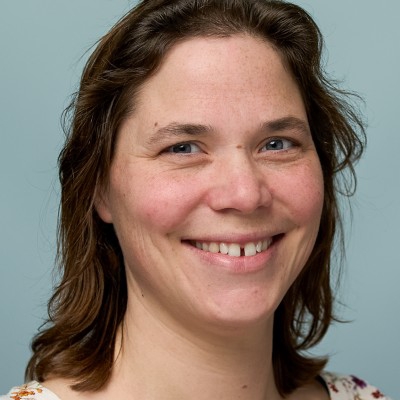
Hüseyin Beyköylü
PhD candidate in cognitive science at Leiden University; works on enactivism, 4E cognition, and self-transcendent experiences, particularly the phenomenology of psychedelic experiences.
1
APPEARANCES
1
PODCASTS
Jun 8, 2026

TiagoHOST
So like, how do you think people can make the distinction? Like of all those forms of alternative therapy, which ones do you think have the most solid footing in empirical research?

Hüseyin BeyköylüGUEST
It's really hard to tell because, again, it kind of brings us about to the limitations of science, right? And limitations or challenges with empirical threads of scientific practice, right? For example, when we look at the biomedical framework, right, which is kind of the de facto dominant paradigm that we use to evaluate the...
Hüseyin BeyköylüGUEST
the efficacy and effectiveness of a given intervention or therapeutic modality, we already see very serious shortcomings and limitations.
Hüseyin BeyköylüGUEST
For example, the golden standard of the biomedical paradigm, the randomized controlled trials, makes certain assumptions about about data about about causality that are really quite problematic and really limits the kinds of phenomena that is knowable through these methods so then when i initially of course as you know as a scientist as a trained scientist and of course scientists under training still i always had this inclinational so it was like okay like evidence-based therapy right We need like evidence-based therapy.
Hüseyin BeyköylüGUEST
We need solid evidence to actually justify the safety, the feasibility, the efficacy of an intervention.
Hüseyin BeyköylüGUEST
But then I started thinking as I dive deeper into an active approach and complex systems, I realized, yeah, but what are the presuppositions or assumptions made by these paradigms, by these perspectives, these methods? And I realized that, yes, they can be useful, this evidence, but also we need to be quite critical about their limits and what they can and cannot say us.
18 MINS LATER
TiagoHOST
So why explain a little bit of the concept and why are you trying to connect, you know, flow and mystical experiences?