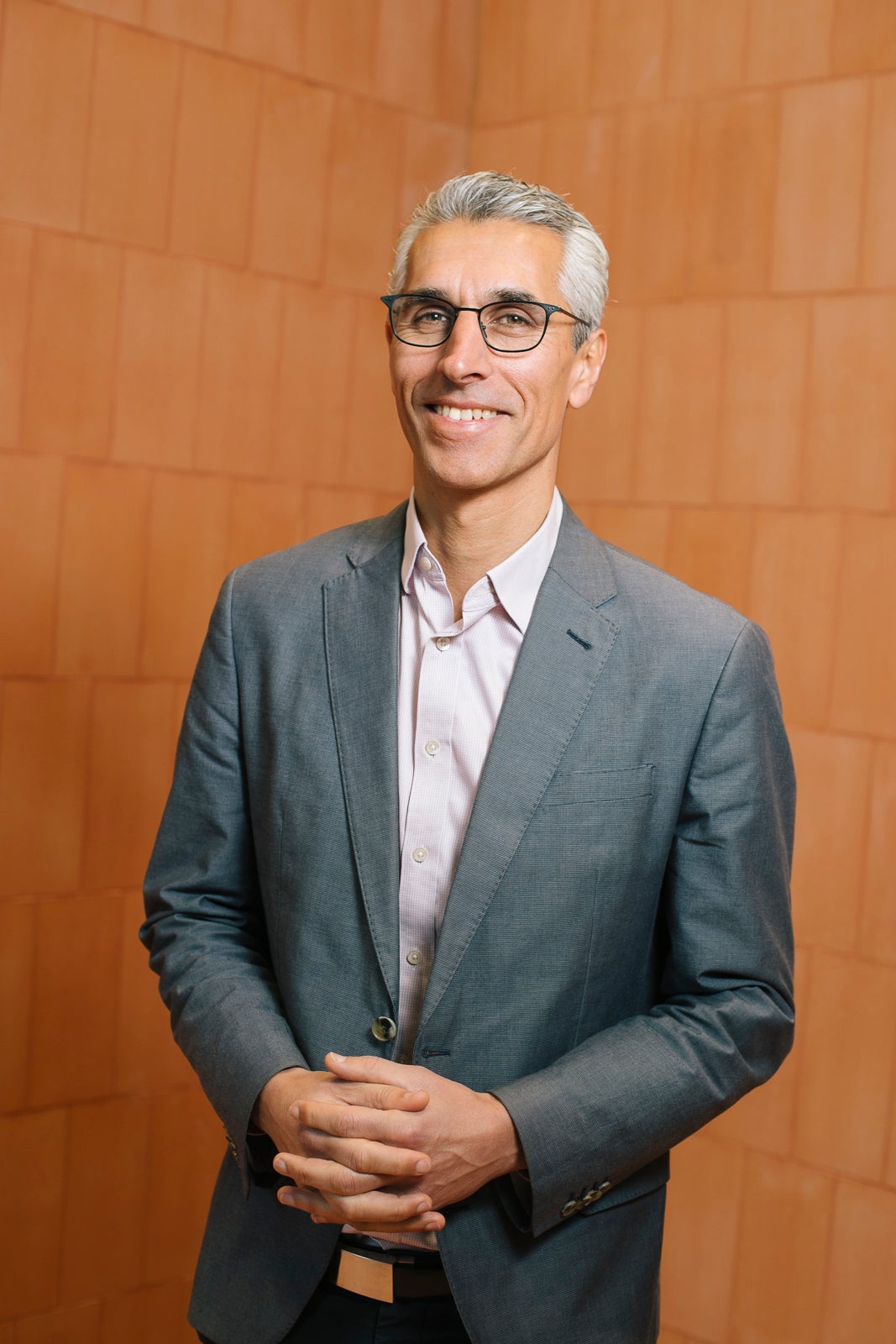
Hugh De Kretser
President of the Australian Human Rights Commission
5
APPEARANCES
3
PODCASTS
Sep 9, 2026


Hugh de KretserGUEST
This was a, it's a self-developed thing in community legal centers, working with the Attorney General's department nationally.
Hugh de KretserGUEST
So the funding for community legal centers is a collaborative, um, federalism thing where the states and territories work with the Commonwealth to provide funding for legal centers across the country.
Hugh de KretserGUEST
Yeah, so the accreditation was about, uh, minimum standards to make sure that the quality is good and that people can trust when they're going to a community legal center that they're getting quality legal help.
16 MINS LATER


Izzy OderbergHOST
I also spoke to Hugh de Kretser, the president of the Australian Human Rights Commission, about his thoughts on how the media and the media coverage has been rolled out over the past two and a half years.
Hugh de KretserGUEST
And so it's our source of information and there's good things and bad things about it.
Hugh de KretserGUEST
But as you well know better than I do, the mainstream media model for the profit driven model is one that requires on eyeballs on content and conflict and division is what draws attention and that draws advertising dollars.
Hugh de KretserGUEST
And so there's an incentive for mainstream media organizations to write about events in a way that increases conflict and division while within, hopefully within journalistic ethical guidelines around truth and facts and sources and all of that.
Hugh de KretserGUEST
And then you've got social media, which is without those sort of guidelines around journalistic integrity and the institutional, hopefully an institutional commitment to it.
Hugh de KretserGUEST
And you've got sewers of division and hatred and algorithmically targeted towards people who might share those views.

Sally SaraHOST
Why do you think the transgender debate sparks so much, such a strong reaction in many quarters?
Hugh de KretserGUEST
Yeah, it's interesting but sad, I think, because like I said, the trans community is a very small part of our community.
Hugh de KretserGUEST
We've seen good progress on the rights of gay and lesbian people, bisexual people, trans people over the years.
Hugh de KretserGUEST
We've decriminalized homosexuality in the 70s and 80s and 90s in Australia and so it's worrying that there is this regression but I think it's part of a global movement that is really unwinding a lot of the pro or trying to unwind a lot of the progress that has been hard fought to make sure that everyone in our community can live safely and freely with dignity and respect
Sally SaraHOST
Should there also be space for people to have discussions about things like extremist ideology within Islam?

Sally SaraHOST
How should the federal government respond to a number of the issues that the Senator has outlined?
Hugh de KretserGUEST
Yeah, I mean, it's hard to know where to start sometimes, but if you look at something like multiculturalism, I think Australians, you know, the Scanlon Foundation does annual surveys around attitudes to multiculturalism, and it shows strong support for it.
Hugh de KretserGUEST
And so these calls for, you know, so-called monoculturalism, I don't know which culture is the monoculture that she's talking about.
Sally SaraHOST
Should there also be space for people to have discussions about things like extremist ideology within Islam?
Izzy OdebergHOST
can you explain to me exactly what the position was of your organization and and and why it was important and i say this as a free speech advocate to not rushing hate speech laws that that what had overreach in like for a lay person, what were they presenting? What was the opposition and why was there opposition?
Hugh de KretserGUEST
You know, people were telling me that this is, you know, that it's been documented publicly.
Hugh de KretserGUEST
You know, when I started at the commission, we were being accused of, you know, having lost the, sorry, the Executive Council of Australian Jury, the You know, I have a good constructive relationship with they were saying that they don't have confidence in the commission in terms of its support for the Jewish community.
Hugh de KretserGUEST
And they've been very careful to say we have confidence in the complaints process as always being fair and impartial.
Hugh de KretserGUEST
Our complaints team have enormous integrity in the way that they communicate.
6 MINS LATER
