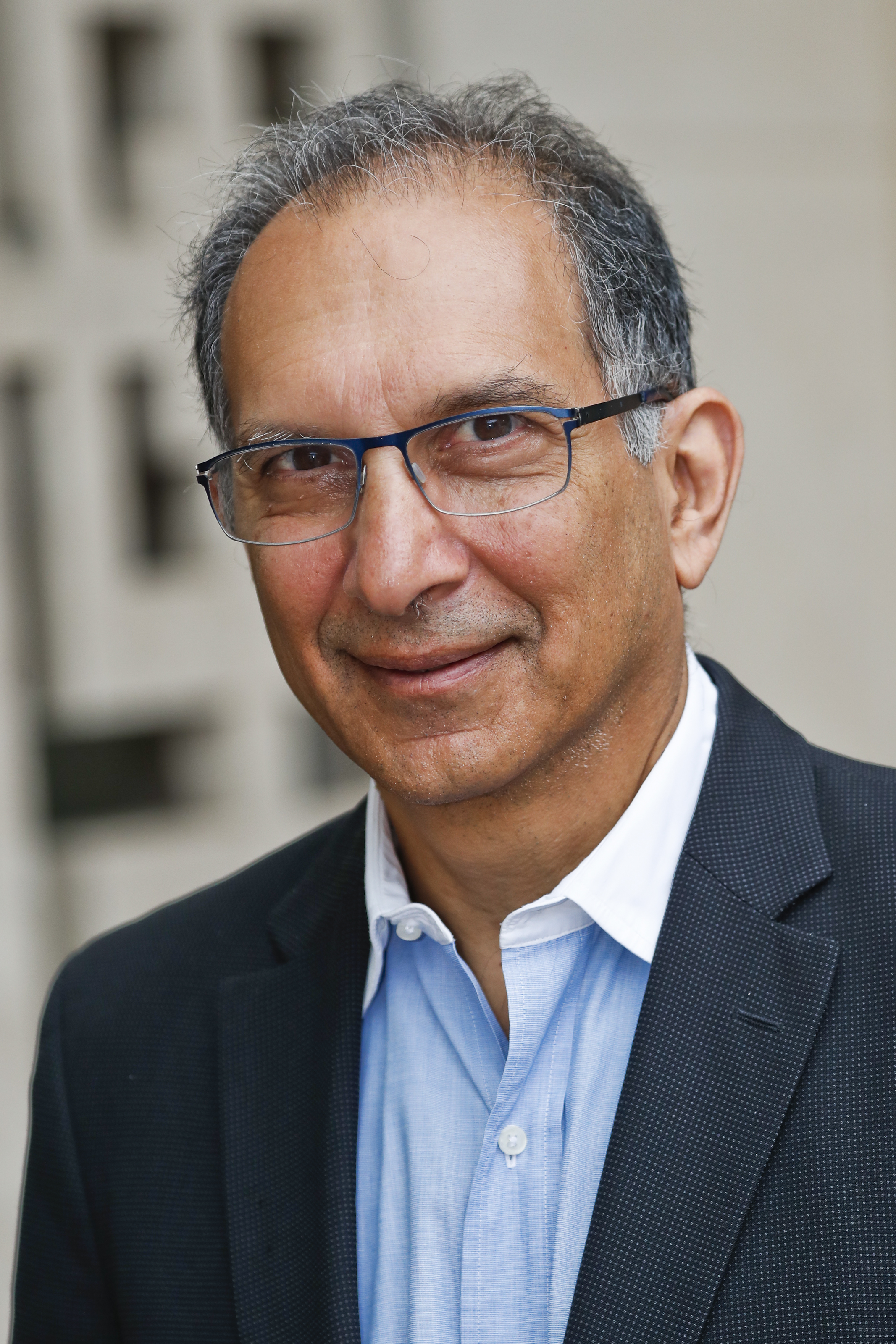
Homi Kharas
Economist
3
APPEARANCES
3
PODCASTS
Jun 9, 2026


Jasmin BaoumyHOST
I'm curious also, Homi, does the fact that the G20 couldn't agree on a statement last April, I'm wondering what does that actually mean for the next secretary general? Do you think it's an opening, or do you think it might just be creating a bigger mess?
Homi KharasGUEST
Well, I think it's a clear statement, as Carlos said, that, uh, the world of multilateralism, of, uh, universal collective action to solve global problems, if you will, that kind of world is disappearing.
Homi KharasGUEST
And we're entering into a world where like-minded, uh, countries get together in different groupings to try to advance in a much smaller way.
Homi KharasGUEST
Mark Carney, who's called this plurilateralism or some such, uh, says, "Look, we can't wait around." Trying to make things universal takes a lot of time and effort, and right now we don't really have the luxury of time in many of the challenges we face.
Homi KharasGUEST
So I think lots of countries are saying, "We're better off moving forward with a small group of countries who are prepared to act now, and then hopefully bringing others in as they see some of the benefits, rather than waiting for a grand collective action kind of thing." We see it in the area of, uh, debt, uh, and a so-called borrower's club that emerged out of the, uh, Finance for Development, uh, conference in Sevilla last year.
7 MINS LATER
Jasmin BaoumyHOST
And, um, Homi, yes, I'd love for you to maybe integrate the borrower's platform that you mentioned earlier on is one of those tools where the next secretary general could really make a stance and could really promote this.

Geoff GuoHOST
But Homi, he writes this paper that's like, "Um, countries like South Korea might actually be the exception to all of this, not the rule."

Homi KharasGUEST
There've been lots of countries that thought this is gonna be their century, and that they've had a history of decades of rapid economic growth that they thought would automatically translate into decades of future economic growth, but history teaches us otherwise.
Geoff GuoHOST
... basketball?
Homi KharasGUEST
You're unlikely to innovate the frontier because you don't have the, let's say, the quality of universities and, uh, other kinds of things, and you can't compete in garments because you've got Bangladesh.
Homi KharasGUEST
You don't want to have low wages because the whole idea is, how do we raise wages so that e- people are better off?


JJ RambergHOST
You brought up AI, Shamina, so I'm gonna go on that and, and I want to ask you, Homi, when you're looking at emerging markets, talk to me about AI and technology and how that's changing the landscape.
Homi KharasGUEST
Well, I think first I'll talk to you about technology because as Shamina said, this is really all about digital.
Homi KharasGUEST
One of the biggest problems that small businesses have is they don't necessarily have access to finance.
Homi KharasGUEST
And so, I do think we have to recognize that there are some quite different worlds out here, but there are also some similarities.
Homi KharasGUEST
So, one of the things in, um, Michelle's work that just, you know, resonates, is that these small businesses, they're new businesses.
6 MINS LATER
JJ RambergHOST
As technology gets better and faster and AI is more incorporated into running a business, do you see more opportunities for small business going forward or a little bit more of a winner-take-all situation in the future?