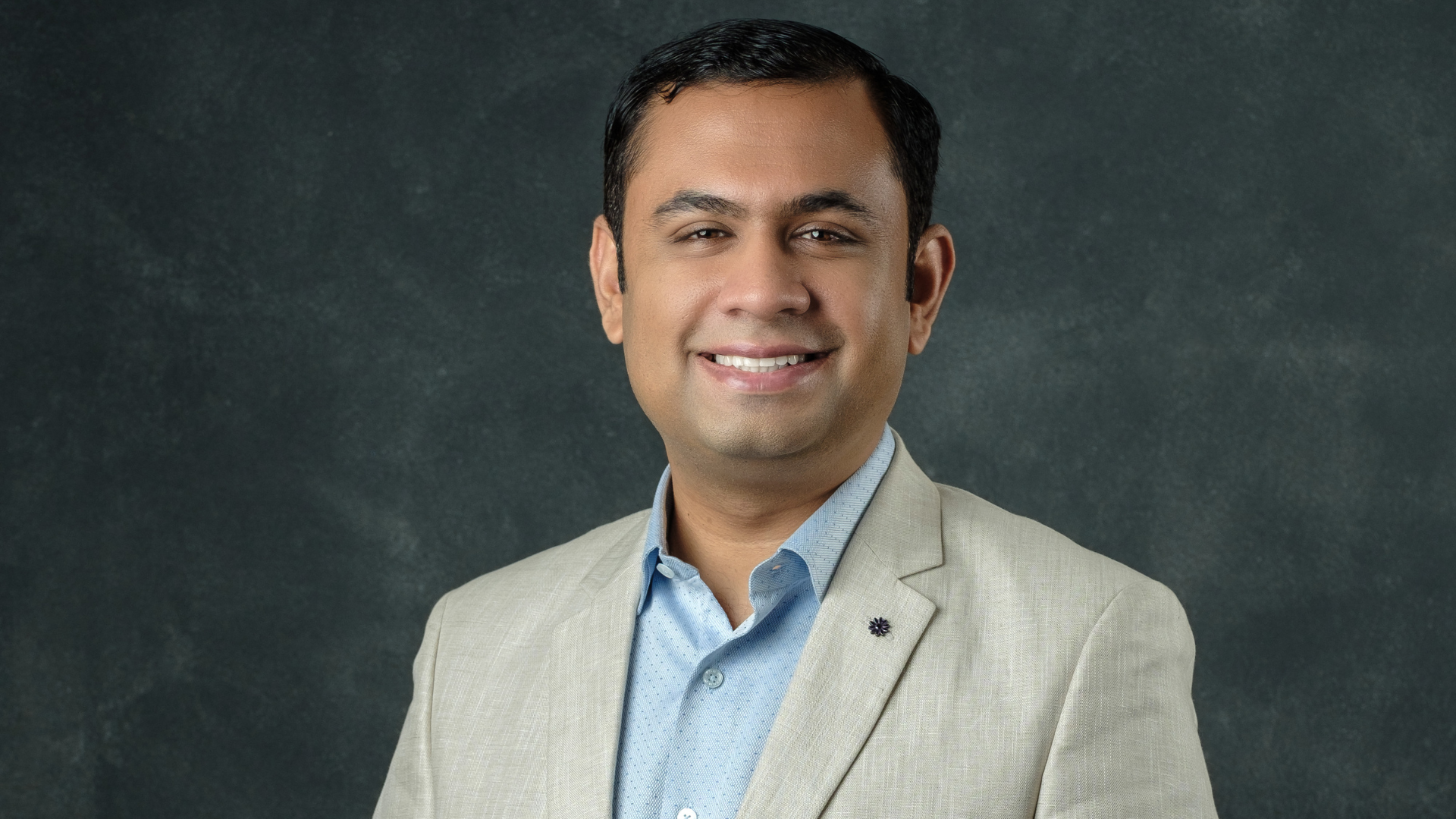
Harshil Mathur
CEO of Razorpay
3
APPEARANCES
3
PODCASTS
Sep 10, 2026


Miguel ArmazaHOST
I think an instance... that illustrates how hard the payments landscape is in India is the fact that Stripe tried entering a few years back and actually failed, right? Do you have any opinions on why do they fail? I think they blame their regulatory landscape, but I mean, I'm not sure that's the full story.

Harshil MathurGUEST
I think I'll broaden it to most global payment players have largely been unsuccessful in India.
Harshil MathurGUEST
And I think there's a story of almost all global players were tried and trained, did some experiment, did a lot of investment and then exited.
Harshil MathurGUEST
I'd say it's not regulation is a very simple way to paint a picture it's not really the right way to paint it i think the thing is india is a very different market and it has made a very different choices for that market and regulation is an outcome of that and it'll maybe take too much to explain some of those choices right like in us uh the i'm just comparing the u.s market to india u.s the one of the most fundamental things about the US payment market is that the success rate of payments is extremely high but the fraud rate of payments is also extremely high so fraud is fraud and chargeback is part and parcel of the payment industry so you don't have any OTPs you don't have any complicated signing procedures you enter a card number and you can close a transaction so you get somebody's card number you can do a transaction on their behalf and then you can raise a chargeback or a dispute to get your money back so fraud rates in US somewhere around 2-3% But the success rate soared around 95 to 98%.
11 MINS LATER

Rahul TandonHOST
There must be moments even in your busy day where you stop and sort of pinch yourself and go, "Wow."
Harshil MathurGUEST
Uh, I mean, of course, there are moments we celebrate when the teams achieve something, when you close a large merchant that you always wanted.
Harshil MathurGUEST
Like, for example, I can tell you that recently I was booking travel to somewhere in Vietnam.
Harshil MathurGUEST
I was making a payment and, uh, went to Airbnb, and the entire checkout was through Razorpay, and it felt wow because Airbnb is such a massive global brand name.


Mukesh BansalHOST
What are the difficulties? Why it has taken so long and we're still far from what you're describing as the eventual goal?
Harshil MathurGUEST
See, some of it is maturity of the ecosystem, some of it is maturity of the regulation, and some of it is maturity of the consumer itself.
Harshil MathurGUEST
So when you start your industry agreements, let's say 2007 was when you said, but 2005 or 2004 is when it practically started in India, industry agreements in a big way.
Harshil MathurGUEST
So, Rightly so, the regulator had to put a lot of checks so that the consumers are not defrauded because even today we see people give their OTPs.
Harshil MathurGUEST
So OTP was a step that was introduced and it was mandated by a regulation I think in 2004-2006.
43 MINS LATER
Mukesh BansalHOST
What is your thought process? How have you internally thought about this? And why both for you as well as in general, why are companies coming back?