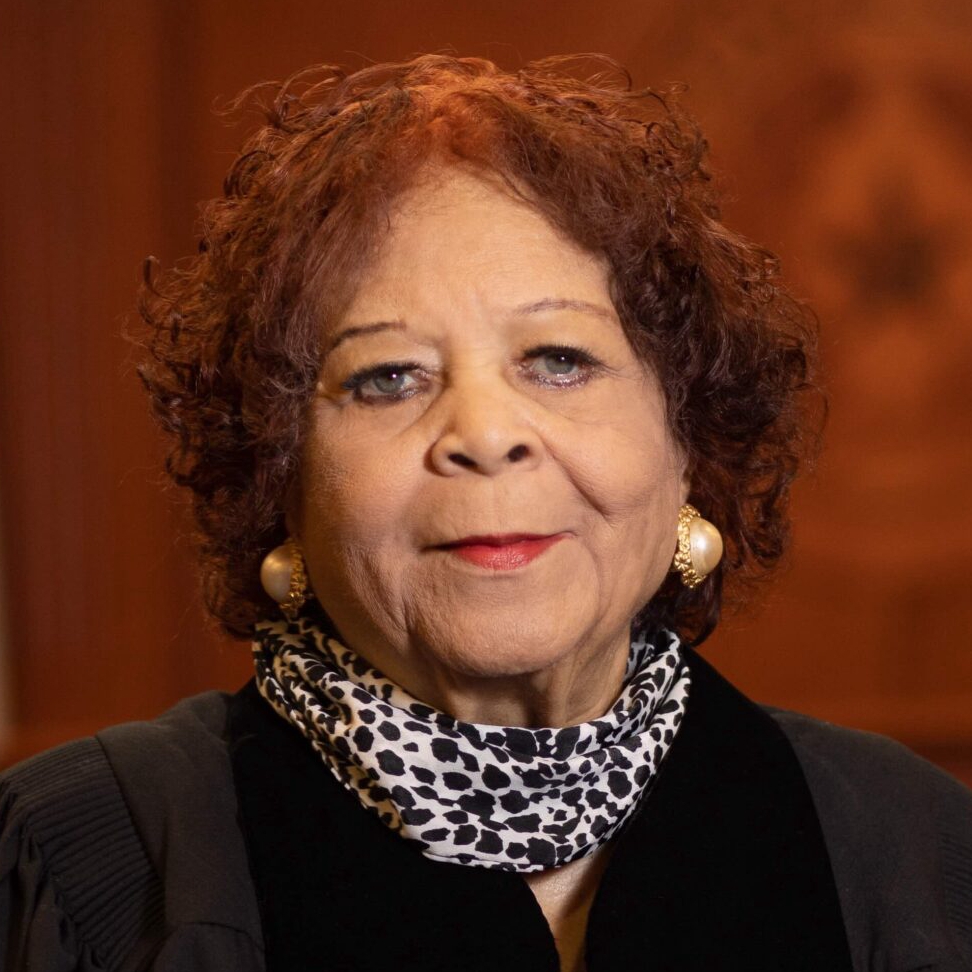
Harriet Murphy
Program Manager at Westjustice; lawyer specializing in justice system advocacy, tenant rights, and community legal work in Australia.
1
APPEARANCES
1
PODCASTS
Jun 23, 2026


Harriet MurphyGUEST
It makes sense that the longer ago the crime was, the harder it is to gather evidence about that crime because people's memory fades over time.
Harriet MurphyGUEST
So if you go to the police about something that happened 20, 30, 40, 50 years ago, it is certainly going to be harder for them to prosecute it because there's going to be less evidence available.
Harriet MurphyGUEST
We do hear about cases going to trial where someone has been charged with historical criminal sexual offences and that kind of thing.
Harriet MurphyGUEST
So it certainly can happen, but it will affect the police as they make their decision about whether there is enough evidence to support the charging of this person, of the accused person.
Harriet MurphyGUEST
I mean, so obviously one outcome could be that the police don't charge the person and that will be essentially the end of that Which is something that unfortunately, particularly with sexual offences, is something that happens quite a lot and would be immensely distressing for the complainants.
Harriet MurphyGUEST
But if they do decide to charge the person... then they will go through the process of putting that person under arrest and charging them.
9 MINS LATER

Jenny DwyerHOST
So the DPP will make a decision around whether something goes to court and that's based in the end on what? That there's a likelihood of someone being found guilty? Is that the primary decision maker?