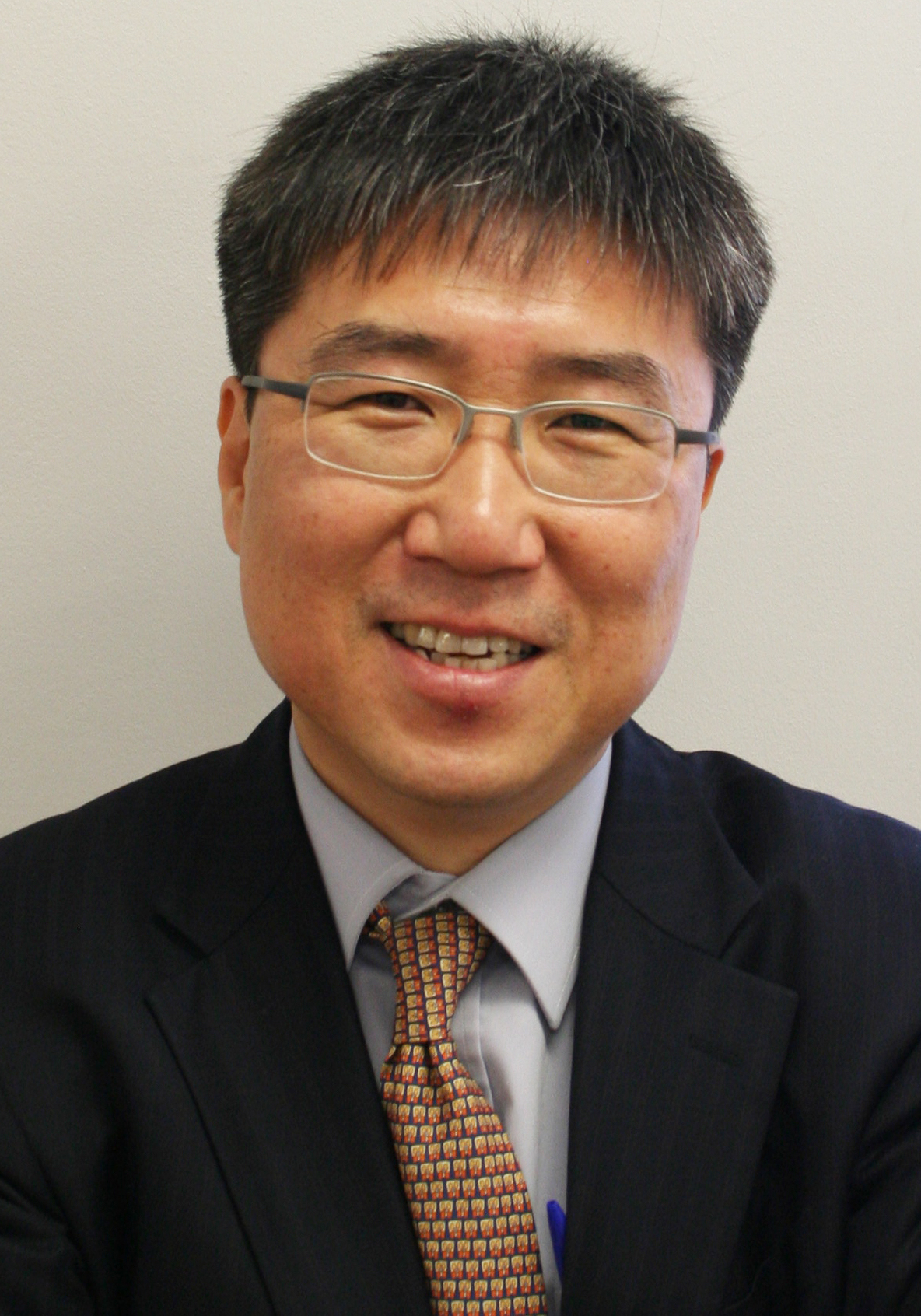
Ha-Joon Chang
South Korean economist
5
APPEARANCES
5
PODCASTS
Sep 1, 2026

speaker_2HOST
Do you still feel that way? I mean, given what we've seen happen in the past couple of years.
Ha-Joon ChangGUEST
Yeah, so that's been the constant theme of my work up to that point and still is.
Ha-Joon ChangGUEST
So the fact that some countries messed up with excessive protection doesn't necessarily mean that it's a bad thing.
Ha-Joon ChangGUEST
The history of the rich countries in the past and the recent records of developing countries, yeah, I've come to the conclusion that developing countries need a period of protectionism in the beginning if they are going to develop their economies.
10 MINS LATER
speaker_2HOST
So we've not been led down the wrong path, you know?


Ha-Joon ChangGUEST
The former president tried to stage what Latin Americans call auto coup by declaring a martial law.
Ha-Joon ChangGUEST
Anyway, so this new government, however, bought into this logic of shareholder capitalism and thinks that shareholders own the company and they should be given more power.
Ha-Joon ChangGUEST
And they have basically changed the corporate law to give more power to minority shareholders because they want to use these minority shareholders to control these families that own part of these big conglomerates like Samsung, Hyundai, and so on, but do not completely control.
5 MINS LATER

KeithHOST
That was just an example, but how did that transition, right? actually happened? In your view, how did the transition

Ha-Joon ChangGUEST
happen? In order to understand the transition, you have to go back a bit and start in the 1920s and 30s.
Ha-Joon ChangGUEST
Capitalism was spectacularly failing in that period, the Great Depression and high unemployment.
Ha-Joon ChangGUEST
class struggle, which then produced, on the one hand, the Russian Revolution, on the other hand, the rise of fascism.
Ha-Joon ChangGUEST
And after the end of the Second World War, people realized that they need a more kind of equitable society in order to have a more stability they have to have what was then called a mixed economy because they realized that the free market doesn't work.
33 MINS LATER
KeithHOST
So why should one, you know, concern themselves too much about this issue?


Ha-Joon ChangGUEST
Yeah, the second, uh, movie, there's this scene, uh, of battle at the Helm's Deep.
Ha-Joon ChangGUEST
Uh, you're a band of, uh, I don't know, 120 super capable guys, yeah? But then there are, like, a half a million orcs that are in front of you.
Ha-Joon ChangGUEST
So this is an idea that the government of a developing nation should protect and nurture the country's young industries until they grow up and can compete with more advanced, uh, industries from more advanced nations, in the same way that, uh, we protect and nurture children until they grow up and then can compete in the adult labor market.


Glenn GreenwaldHOST
the emergence of things like BRICS or the attempt to move away from the dollar as the dominant reserve currency, are those potential paths to undermining this system that you're describing?
Ha-Joon ChangGUEST
Of course, if you zoom out, the history of capitalism has been a history of domination and resistance.
Ha-Joon ChangGUEST
military invasion and colonization, gunboat diplomacy that led to the unequal treaties.
Ha-Joon ChangGUEST
It's a constant struggle between different countries and societies that are located in different parts of the global economic hierarchy.
Ha-Joon ChangGUEST
So, yeah, I mean, in the 60s and 70s, with decolonization, a lot of developing countries wanted to be independent of the US and European domination.
Ha-Joon ChangGUEST
They wanted to be allowed to change their positions in the global economic hierarchy.
6 MINS LATER
Glenn GreenwaldHOST
Is that the sort of thing you were talking about with this middle-aged theology? And can you kind of expand on what more you mean by that?