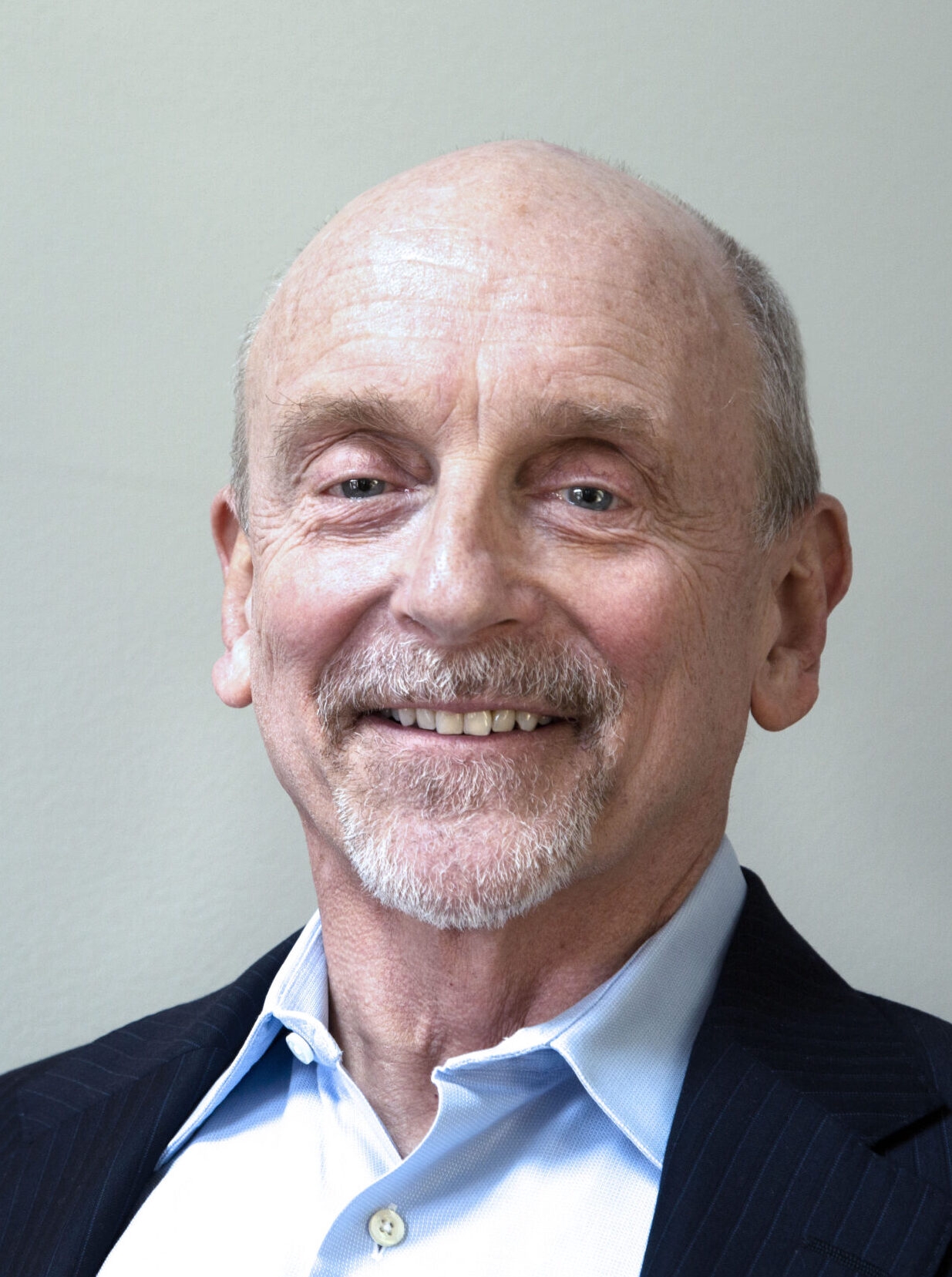
Greg Shea
3
APPEARANCES
3
PODCASTS
Sep 12, 2026


Greg SheaGUEST
The thing that stood out, and it's, it's what's, what makes the book the book, uh, really is, uh, uh, two big things.
Greg SheaGUEST
One is the fact that 40 people were willing... first responders were willing to talk to us about, uh, not just the day, and that's to the second point, but the arc of what happened in the FDNY as a result of this.
Greg SheaGUEST
The FDNY entered September 11th as one of the premier, if not the premier, firefighting organization on the planet, and they could have come out of this, and they...
Greg SheaGUEST
And the reviews of their, of their, of the, how they handled themselves, uh, they came out very well from those.

Dan LoneyHOST
I'll start with one of them, which caught my attention, is just the healing process that not only the FDNY, but the firefighters had to go through after this horrific event where so many of their brothers and sisters were killed.
Greg SheaGUEST
I mean, you start with the fact they're New Yorkers, which moves you down the toughness scale right there.
Greg SheaGUEST
which was New York City had all kinds of problems, including lots of arson and lots of fires.
6 MINS LATER


Greg SheaGUEST
Um, so I think I, I start the writing the book with the fact that, uh, how did the event happen? Well, the event happened because Andre Kotze, who is the, one of the authors of the book, um, somebody I'd known through the work at Arrestee and Executive Education, um, uh, as a, he does a, he's a executive, um, coach and facilitator of a lot of physical problem-solving kinds of exercises.
Greg SheaGUEST
Uh, came down and just plopped down in front of me while I was trying to blitz my way through a lunch and said, "Uh, you wanna do a few interviews?" And I said, [laughs] uh, "Okay, uh, why are we doing them?" He said, "Well, w- we're gonna help Paul retire." And Paul Brown is, um, a close friend of his and a, a friend of mine, uh, and somebody who had worked for Andre and has, was winding up his career as a captain in the FDNY.
Greg SheaGUEST
Uh, and so I said, "Okay, sure." And so I thought I was doing a couple interviews, um, uh, for purposes unknown, really, I mean, other than to help a friend help a friend.
Greg SheaGUEST
Uh, so when we got into the conversations, then there was another one, then there was another one, then there was another one.
15 MINS LATER