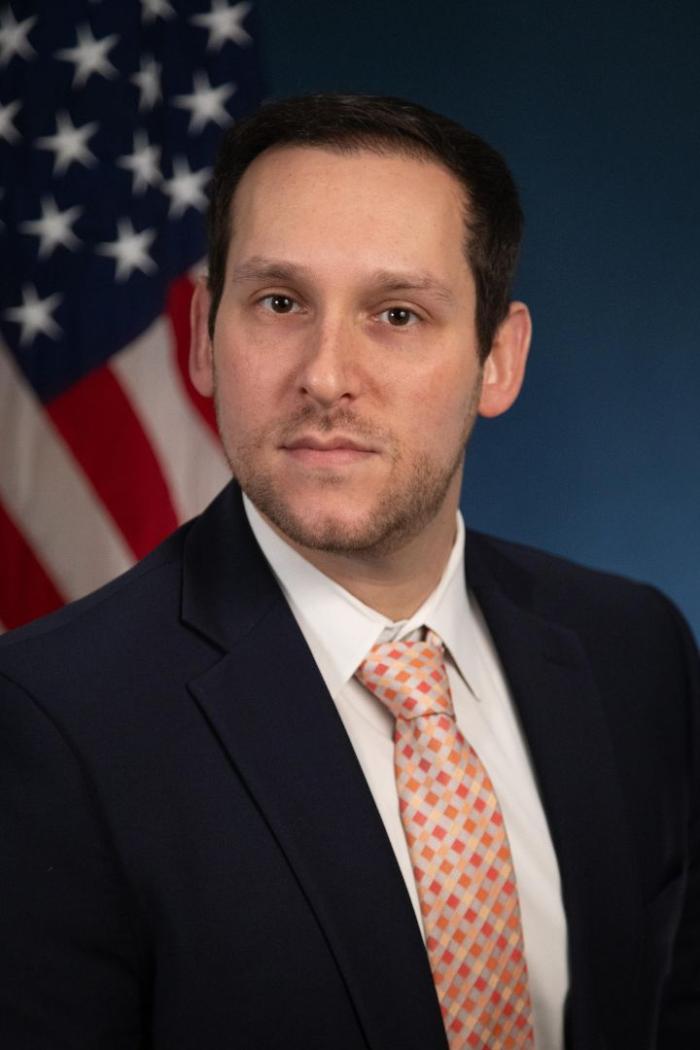
Greg Rosen
6
APPEARANCES
6
PODCASTS
May 14, 2026


Greg RosenGUEST
So I did wanna say one thing about the pardons that you were talking about, just 'cause this is a very common misconception.
Greg RosenGUEST
A lot of people talk about the distinction between those who are convicted of trespass or misdemeanors in the January 6th context, and then those who are convicted of, like, assaults on police officers.
Greg RosenGUEST
And what a lot of people don't realize is that on day one, those pardons, which were indiscriminate in nature and didn't take into account all of the individualized characteristics that you just described, the people they largely, if not 100% benefited, were the ones who were serving long sentences for assaulting police officers.
Greg RosenGUEST
And so, like, I can't say that with, like, you know, 100% certainty, but the people who benefited were not the, the what, what you hear on the news of people, quote, "walking through the Capitol on a tourist tour." That, that ignoring the fact that that did not happen-The, but, but, like, those were, the least culpable people were not the beneficiaries of those, uh, pardons.
Greg RosenGUEST
To answer the direct question, I also [laughs] naively thought, like, we're gonna, you know, we're gonna do our job, transition from one administration to the other.
Greg RosenGUEST
I received a call on the night of the, uh, inauguration, uh, indicating that the, uh, executive order would be forthcoming relating to the pardons and commutations, and that we would have to implement it.
17 MINS LATER


Glenn KirschnerHOST
So talk a little bit about when you first got to the DC US Attorney's office, kind of what was your progression through the office, and then how did you end up as chief of the Capitol Siege Unit?
Greg RosenGUEST
Um, and so I was in the rotation for I think two to three years going through what they call guns and drugs, violent felonies, grand jury processes, homicides.
Greg RosenGUEST
I didn't join the homicide section, but previously had done the homicide, uh, in Loudoun, and then, um, did some work when I went up to district court.
Greg RosenGUEST
After a little bit of time I, uh, went to district court in a section called the Violent Crime and Narcotics Trafficking section, also known as VCNT.
Greg RosenGUEST
Um, there, you know, we prosecuted anything on the federal level from possession charges involving narcotics or firearms all the way to murder.
Glenn KirschnerHOST
Talk us through that, and then when did you become chief and what did, what did that entail, being chief of the Capitol Siege Unit?

Glenn KirschnerHOST
So talk a little bit about when you first got to the DC US Attorney's office, kind of what was your progression through the office, and then how did you end up as chief of the Capital Siege unit?
Greg RosenGUEST
Um, and so I was in the rotation for I think two to three years going through what they call guns and drugs, violent felonies, grand jury processes, homicides.
Greg RosenGUEST
I didn't join the homicide section, but previously had done the homicide, uh, in Loudoun, and then, um, did some work when I went up to district court.
Greg RosenGUEST
After a little bit of time I, uh, went to district court in a section called the Violent Crime and Narcotics Trafficking section, also known as VCNT.
Greg RosenGUEST
Um, there, you know, we prosecuted anything on the federal level from possession charges involving narcotics or firearms all the way to murder.
Glenn KirschnerHOST
Talk us through that, and then when did you become chief, and what did, what did that entail, being chief of the Capitol Siege Unit?

Greg RosenGUEST
In terms of the statistics, we prosecuted approximately 1,593 cases, and had approximately 260 plus trials.
26 MINS LATER

Tom DreisbachCORRESPONDENT
That is the same reason Greg Rosen, the prosecutor, is still talking.
Greg RosenGUEST
And so, you know, I think it's disappointing that people believe that what they did to police officers on that day, or what they did to members of Congress, or what they did to the institution itself was somehow justified or righteous.
Greg RosenGUEST
But I'm hoping that the history of this prosecution is not simply memorialized by those feelings, but by the historical record in the court cases and then eventually what happens years and decades later.

Greg RosenGUEST
In terms of the statistics, we prosecuted approximately 1,593 cases, and had approximately 260-plus trials.
27 MINS LATER
Tom DreisbachCORRESPONDENT
That is the same reason Greg Rosen, the prosecutor, is still talking.
Greg RosenGUEST
And so, you know, I think it's disappointing that people believe that what they did to police officers on that day, or what they did to members of Congress, or what they did to the institution itself was somehow justified or righteous, but I'm hoping that the history of this prosecution is not simply memorialized by those feelings, but by the historical record in the court cases, and then eventually what happens years and decades later.


Laura Barron-LopezCORRESPONDENT
What kind of message does it send that this person who participated in the January 6th attack is now inside the Justice Department?
Greg RosenGUEST
Political views are now something that are subject to attack in our republic, and part of America is having that ability to dissent, having that ability to sort of freely speak on these issues.
Greg RosenGUEST
This administration has consistently talked about backing the blue and ensuring the protection of law enforcement.
Greg RosenGUEST
So, to hire somebody who was accused, and at the time, remember, this was a public trial with public exhibits that was vetted by a federal judge.
Greg RosenGUEST
At the time, having an individual who is alleged to have said, "Kill him, kill him, kill him," and encouraged political violence against police officers, to hire that person to the department sends exactly the opposite message that I think the department was trying to convey.
Laura Barron-LopezCORRESPONDENT
Does that undermine at all the work that you did, the convictions that you and your team sought?