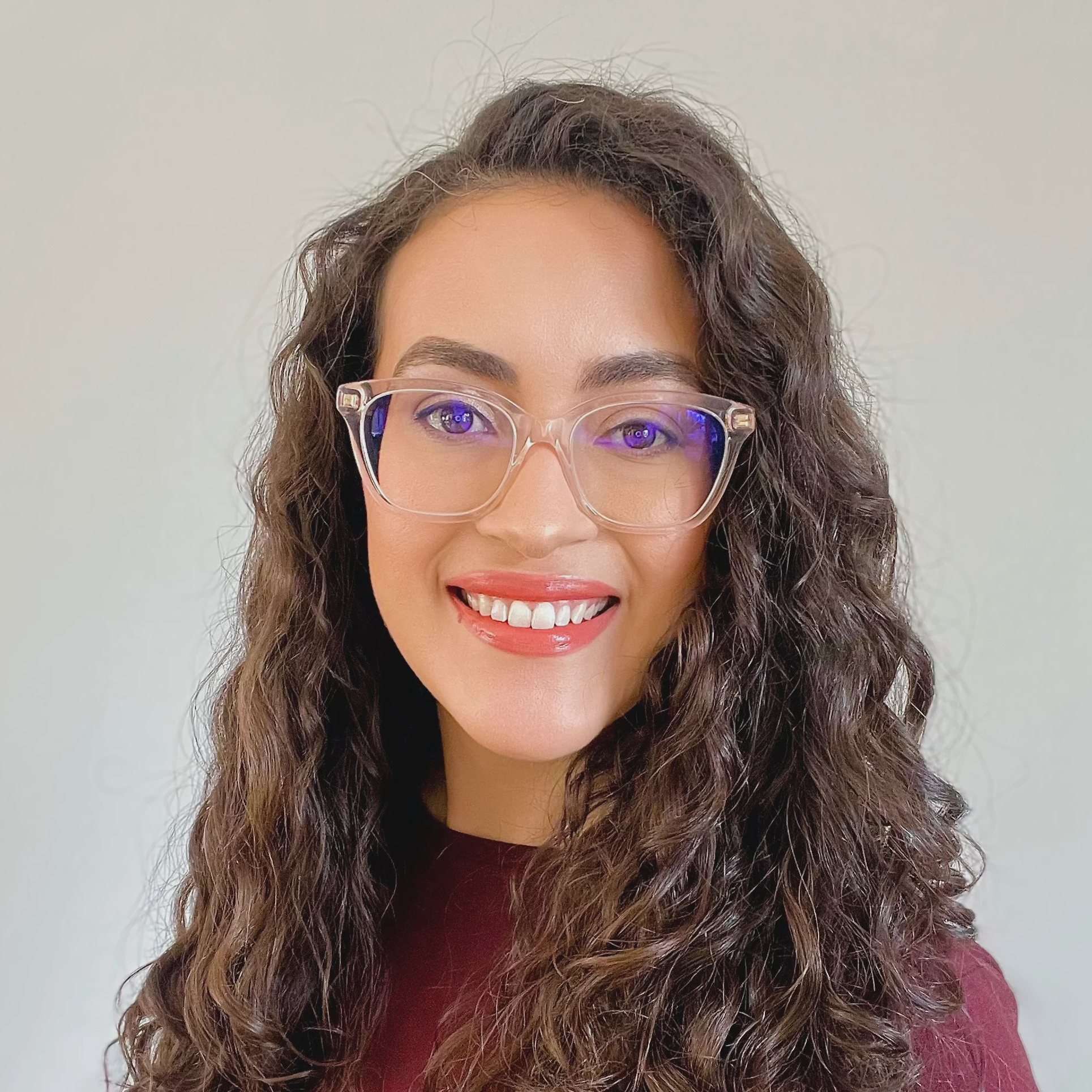
Ginaly Gonzalez
Founder & CEO of Equivida, a people-first HR strategy firm, and former DEI Recruiting Programs Manager at Meta.
3
APPEARANCES
1
PODCASTS
Aug 26, 2026


Katrina PurcellHOST
So how do you convince founders that investing in this sort of inclusive culture and this fairness culture is worth that investment, that it will directly impact their bottom line down the road?

Ginaly GonzalezGUEST
The TLDR, the too long, didn't read, is that you're spending the money anyway.
Ginaly GonzalezGUEST
When you're doing the spending and not considering the people who are going to be adopting the tools or building the product, then you're gonna be spending time later down the road that you should have front-loaded- To be able to drive more efficiency and see the cost savings operationally.
Katrina PurcellHOST
How do you think about geographical dispersity in, in terms of fairness as well?
Ginaly GonzalezGUEST
I think about it from a place of first understanding the differences across where your existing footprint is, and then what are the policies in which need to run parallel to your existing footprint, and anchoring to some of the states that have more rigor around that really puts you in a good place.
Ginaly GonzalezGUEST
It puts you in the place of having folks from other states who don't necessarily have state protections in the same way that other folks from different states would have.
Ginaly GonzalezGUEST
It gives you an advantage in the market in those places, while also keeping you compliant in the places that are really checking, that they're really looking at all the boxes.
Ginaly GonzalezGUEST
Yeah, and I think really the foundation of that topic is around making sure that the technology you're investing in is creating space for human moments and not replacing those human moments.
Ginaly GonzalezGUEST
And so while investment in tools is a really great thing when utilized in the right ways for people versus sort of handed off and expected adoption to happen sort of on its own, that's where you leave a lot of room for people to fill in the blanks of the questions that they have that then don't yield the right results in driving engagement with the tools that you're investing in.
Ginaly GonzalezGUEST
When you're thinking about utilizing technology and bringing it into your workforce, have you asked the very important question of how is this gonna serve my people versus replace them?
Katrina PurcellHOST
And I thought with all the automation that exists in the world, how are we not even just closing the loop with people? We're ghosting them.
Ginaly GonzalezGUEST
It's a really great point on the other side of the coin, and it starts with understanding what's important to people.
Ginaly GonzalezGUEST
Building on your level of understanding of what humans find value in helps you build better processes, and utilizing tech to drive more efficiency in the ways in which those things are done is the best possible outcome.
Ginaly GonzalezGUEST
So talking about what people want, what are their pain points, what's important to them, and what does their day to day look like? And then getting that level of understanding moves you into defining what the process really needs to look like to solve for not only what outcomes you're looking to drive, but also the people within the system that are going to drive those outcomes on top of that process or even within, sometimes even from the back way alley, right? And so you want to make sure you're bringing those people in to the process and driving the right outcomes.
Katrina PurcellHOST
So let's dive into a little bit about empathy, about how different generations are vibing in startup world.