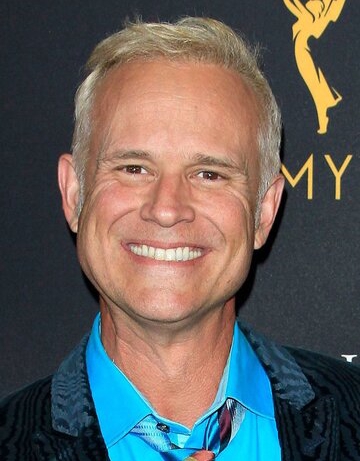
George Gray
George T. F. Gray is a Corporate partner in Skadden's London office, specializing in insurance, fintech and private equity M&A, and a guest on Skadden's "The Practice Manual" podcast.
3
APPEARANCES
1
PODCASTS
Sep 24, 2026

George GrayGUEST
I will say for those listening that colloquially hurdle, growth, MIP, these terms can all be used a little bit interchangeably.
George GrayGUEST
So while someone might be talking to you about a growth share, we'll set out here what we typically see as growth and a hurdle really.
George GrayGUEST
But just, you know, for people to remember, they can be used a bit interchangeably, so it's important to look at the actual form of what's being issued.
George GrayGUEST
So growth shares are a share class which allow the participants to benefit from value growth in the company above a certain predetermined threshold or base.
15 MINS LATER

Rob ChaplinHOST
So thinking about timing, does the expected hold period, George, affect the way in which the MIP is designed?
Rob ChaplinHOST
Or you're acting for a, a standalone platform already, which is doing bolt-on acquisitions, George.
George GrayGUEST
So the overall structure of the transactions tends to be largely similar, but there are some nuances, particularly as you're thinking about how do we incentivize individuals as part of the transaction we're doing now, but then on an ongoing basis.
George GrayGUEST
We do have another episode or two coming down the line on, uh, management incentivization, where we'll explore this in a bit more detail.
George GrayGUEST
But earn-outs are quite common, um, on brokerage M&A, but more so I would say on bolt-on transactions, um, or if someone's looking to establish a platform with maybe a smaller initial platform acquisition.
George GrayGUEST
Where an existing brokerage is acquiring a number of other brokerages as part of a roll-up strategy, uh, earn-outs can be quite helpful as a tool to make sure you're appropriately incentivizing people at the time of the transaction, then on an ongoing basis.
11 MINS LATER

Usman SawarGUEST
You know, our listeners should definitely listen to that one, and we'll unpack in more detail.

George GrayGUEST
It's a good question, so I'm gonna go slightly less legal here and, um, really kind of just concepts.
George GrayGUEST
It's been at the heart of the global insurance industry for over three centuries now.
George GrayGUEST
You can't say that for many kind of legal regulatory frameworks that, uh, uh, sit around a commercial organization like Lloyd's, but we haven't got time for that today.
15 MINS LATER
Rob ChaplinHOST
Let's, um, George, talk about some of the key commercial and legal terms that are really important in Lloyd's M&A deals.