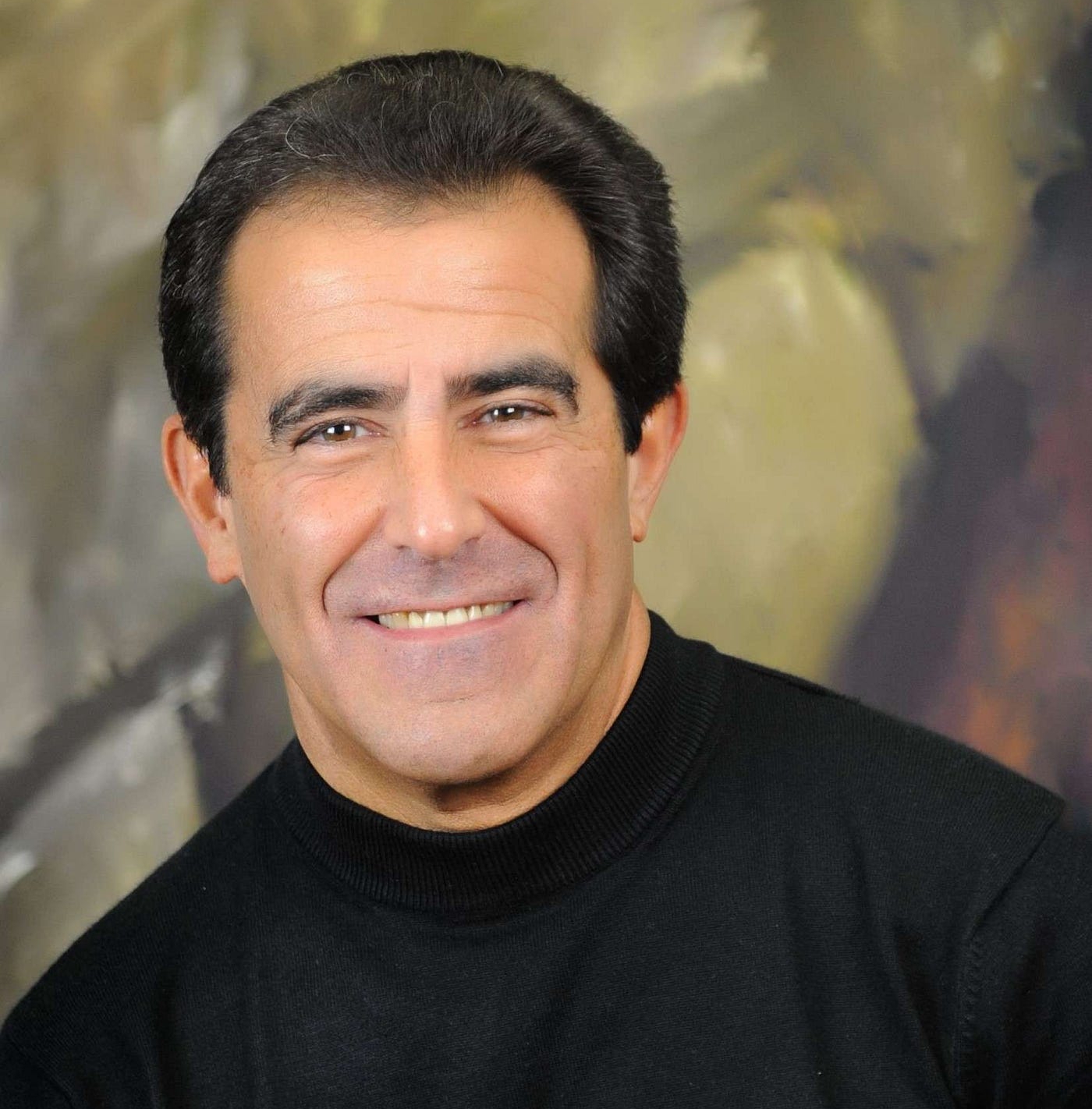
Faust Ruggiero
Faust Ruggiero, M.S. is a veteran therapist and self-help author of the "Fix Yourself" handbook series (including The Fix Your PTSD Handbook), known as "The Fix-It Doctor" with over forty years in counseling practice.
5
APPEARANCES
5
PODCASTS
Sep 17, 2026


Alex WittHOST
What are some common misconceptions about PTSD that continue to surface, whether that's among people themselves who may have it or people on the outside who aren't themselves afflicted by it?

Faust RuggieroGUEST
The first one is that it can't be treated, that it's never going to go away.
Faust RuggieroGUEST
And there's really some substantiation for that because... people have tried so many different areas.
Faust RuggieroGUEST
I've gone here, I've tried that one over there, this counselor, that employee assistance program, and nothing worked.
Faust RuggieroGUEST
So they think that they don't, that they don't, that they'll never have help.
Faust RuggieroGUEST
The other thing is, what we were talking about before is that first you've got to diagnose it as PTSD.
18 MINS LATER
Alex WittHOST
Do you find that using I statements and trying to make it more relatable as you approach the situation is helpful in talking about it? Do you have maybe an example of somebody that navigated it particularly well and was able to help the person they cared about get help?


Jamie BussinHOST
Why do you think people are so angry? I see so many people who seem dysregulated.
Faust RuggieroGUEST
Are they prone to that? Are they geared high? Are they reactors? But then we live in a society where we move so fast And it's getting worse.
Jamie BussinHOST
what do you think it's important to understand about anger like what should we know about anger

19:41
Do you find that most people are open about it or, as I found, they're very shy or reluctant or fearful and distrustful of opening up to strangers about their problems?
Faust RuggieroGUEST
Sometimes it's easier to open up to a stranger because you don't have the emotional part, the judgment, all that sort of thing that come with families and friends, and you're safe.
Faust RuggieroGUEST
And the other part is, now I've got to go into a new environment, and I don't know what this is all about.
Faust RuggieroGUEST
So I've always encouraged people to just make the appointment and go there once.
Faust RuggieroGUEST
And if you get there and you leave there saying, okay, I think I can talk to this person, That's all you really need at that point.
Henry BachSOUNDBITE_SPEAKER
And there's a


Jennifer NormanHOST
So just recapping, if our internal language, that voice in our head starts to become really powerfully negative or starts to ruminate, what are some of the most common internal phrases that you hear? And then can you give listeners, again, that practical exercise that can help begin changing their internal dialogue today?
Faust RuggieroGUEST
Oh my God, what happens if this? At that point, you want to be able to ask yourself a different question.
Faust RuggieroGUEST
Okay, what am I doing right now? Do I have a plan to change this? Or am I going to keep on spinning it? And I always tell them it's like a snowball.
16 MINS LATER
Jennifer NormanHOST
And sometimes that's where the most critical aspects of mental health really lie.


Faust RuggieroGUEST
PTSD, like trauma, in the early stages, if it's treated, it's much easier to deal with.
Faust RuggieroGUEST
something hits one item hits i i got bullied at school uh i got uh i'm going through a horrible divorce it's one thing and then we can focus on that one thing it may connect it almost always does to other past things yeah that's the other fallacy well you know it's just that one thing well the timeline doesn't stop and then gets filed away somewhere it keeps on going So it connects with that.
9 MINS LATER
24:54
And then as you just finished saying too, about going back into that isolation and making sure you have that team to take you forward.