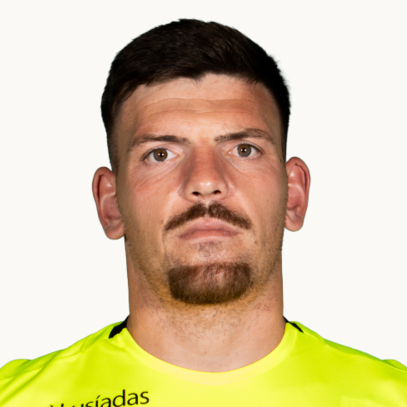
Fabio Matos
Associate Professor of Agricultural Economics at the University of Nebraska-Lincoln, specializing in commodity price analysis, futures and options markets, and risk management.
1
APPEARANCES
1
PODCASTS
Sep 1, 2026


Fabio MattosGUEST
So people have always been interested in volatility and how prices change over time.
Fabio MattosGUEST
Now, one thing is traditionally people have used standard statistical procedures, a lot of things that we call in economics time series economics or econometrics.

Chad MoyerHOST
So how did you tell me about your research? How did you go and try and separate those two things? Volatility created by the market itself for those in the market versus outside or external influences?