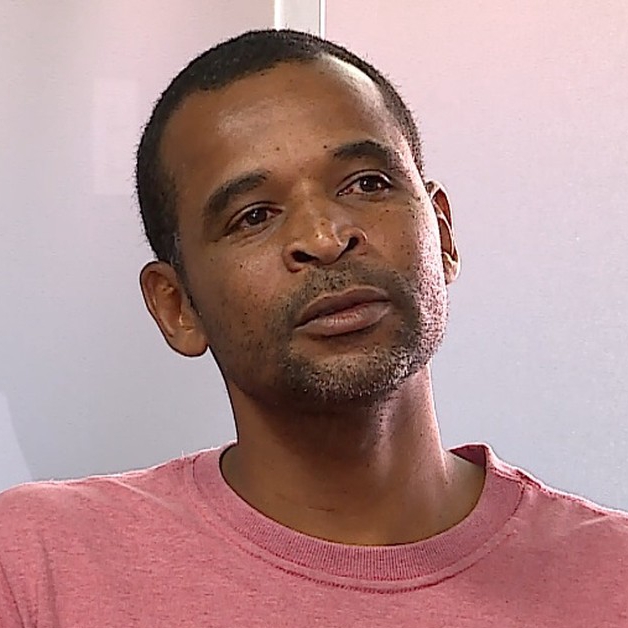
Evandro Cavalho
Brazilian professor of international law (Fluminense Federal University / FGV Rio de Janeiro) and China-Brazil relations scholar, known as 高文勇 (Gao Wenyong).
2
APPEARANCES
1
PODCASTS
Sep 17, 2026


Wang GuanHOST
And Evandro, how do you think can BRICS strengthen cooperation in not just trade itself, but also industrial capacity building and technology supply chains to make it more resilient to support upgrading across

Evandro CavalhoGUEST
this block? I think there are several topics BRICS must be considered, you know, and China's 2027 chairmanship will offer an important opportunity to consolidate.
Evandro CavalhoGUEST
First, I believe that these expanded BRICS and connect political dialogue with practical development BRICS can promote, as mentioned here, greater economic integration through trade facilitation, more efficient cross-border payments, and the responsible use of national currencies.
Evandro CavalhoGUEST
BRICS needs initiatives in artificial intelligence governance, digital infrastructure, and digital inclusion as well.
Evandro CavalhoGUEST
And these programs should include technology transfer, of course, professional training, joint research, so that innovation does not create new forms of inequality.
speaker_5ADVERTISER
As you gather around a community event, we provide you the vibrant sounds on different topics, such as how AI empowers education, what does Lung, or the Chinese dragon, mean to the Chinese
Wang GuanHOST
And Evandro, what concrete progress do you expect this BRICS to deliver, given the current geopolitical and also geoeconomic landscape?
Evandro CavalhoGUEST
I believe that BRICS has made progress into interconnected dimensions, reforming existing institutions, mentioned here for my previous colleagues, and creating complementary mechanisms.
Evandro CavalhoGUEST
Within existing institutions, BRICS countries have consistently defended the central role of the United Nations international law, the World Trade Organization, and more representative and multilateral system.
Evandro CavalhoGUEST
And BRICS have supported reforms, as was mentioned here, of the IMF and the World Bank, and demanded greater representation for developing countries, including within the United Nations Security Council.
Evandro CavalhoGUEST
At the same time, BRICS has demonstrated that reform cannot depend entirely on institutions created in a very different historical period.
8 MINS LATER
Wang GuanHOST
How do you think can BRICS strengthen cooperation in not just trade itself, but also industrial capacity building and technology supply chains to make it more resilient to support upgrading across this block? I think