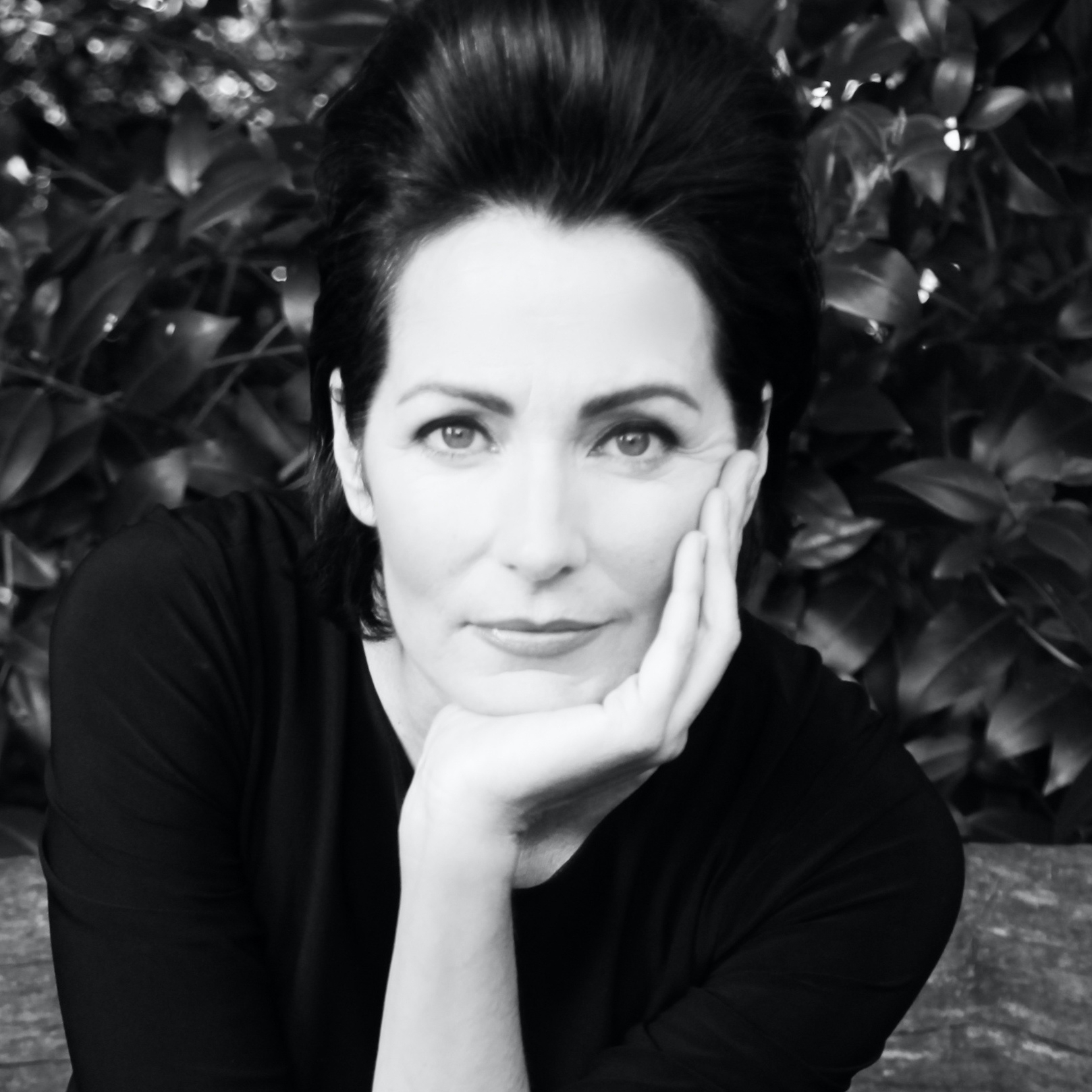
Erin O'Hara
Auckland-based naturopath and wellness expert, co-founder of Golden Yogi, weekly wellness contributor on Newstalk ZB's The Sunday Session.
37
APPEARANCES
2
PODCASTS
Oct 10, 2026

Francesca RudkinHOST
So you've got a bit of an issue with the sick care, haven't you? Because you feel that we're not putting enough emphasis on preventative care.

Erin O'HaraGUEST
All of the policies I'm seeing rolling out are not around preventative health care.
Erin O'HaraGUEST
And actually, yes, it's important to have a sick care system for people who need it.
Erin O'HaraGUEST
But actually, if we can keep people out of hospitals in the first place and not visiting their GP as often, then we're going to have a healthier community overall.
Erin O'HaraGUEST
And I think the biggest problem comes down to Everybody can give a million excuses of why they can't do things that keep them healthy.
Francesca RudkinHOST
Because in a way, we all kind of know what we should be doing, don't we, to live a healthier life.

Francesca RudkinHOST
Okay, so you've got a bit of an issue with the sick care, haven't you? Because you feel that we're not putting enough emphasis on preventative
Erin O'HaraGUEST
All of the policies I'm seeing rolling out are not around preventative preventative health care if we're talking about health then we're talking about prevention and actually yes there's important to have a sick care system for people who need it but actually if we can keep people out of hospitals in the first place and not visiting their GP as often then we're going to have a healthier community overall and I think the biggest problem comes down to everybody can give a million excuses of why they can't do things that keep them healthy.
Erin O'HaraGUEST
And I think it really gets you thinking how keeping yourself healthy doesn't need to be expensive.
Francesca RudkinHOST
Because in a way, we all kind of know what we should be doing, don't we, to live a healthier life.

speaker_0HOST
Okay, so you've got a bit of an issue with the sick care, haven't you, because you feel that we're not putting enough emphasis on preventative care.
Erin O'HaraGUEST
All of the policies I'm seeing rolling out are not around preventative health care.
Erin O'HaraGUEST
And actually, yes, it's important to have a sick care system for people who need it.
Erin O'HaraGUEST
But actually, if we can keep people out of hospitals in the first place and not visiting their GP as often, then we're going to have a healthier community overall.
Erin O'HaraGUEST
And I think the biggest problem comes down to everybody can give a million excuses of why they can't do things that keep them healthy.
speaker_0HOST
Because in a way, we all kind of know what we should be doing, don't we, to live a healthier life.
Erin O'HaraGUEST
The clinical research is showing that between the years 2010 and 2019, that there was an increase in cancers in 14 different types of cancer in under 50 categories.
Erin O'HaraGUEST
And they've looked into, like, what is influencing this? And it's actually not just one thing, and that's where you can't kind of blame it in, oh, it's genetics, but actually it's the interaction of a whole lot of factors.
Erin O'HaraGUEST
So it could be genetics with inflammation, with a... imbalanced gut microbiome with poor metabolic health, obesity, not enough physical activity, the environment that we live in, plastics.
Erin O'HaraGUEST
And biological age is the critical thing, is it measures your cellular health and physical decline.
Erin O'HaraGUEST
And biological age is the critical thing, is it measures your cellular health and physical decline.
Erin O'HaraGUEST
So you can actually do all the things you want to do, be active physically and mentally.
Erin O'HaraGUEST
No, and maybe that's where this week you start thinking, okay, what sort of new health intentions can I create for yourself? And whether it's like, okay, the new goal is as the daylight saving comes, you start to get out in nature, which with the longer evenings is a good time to do that, whether you do green exercise, which would be getting out into – grassy nature bush areas whether you go for a bush walk or a mountain bike always good to get into nature because that actually helps with um improving um blood pressure as well as getting some vitamin d or maybe you're into more a green exercise a blue exercise which would be getting into the water maybe go for a cold water dip or maybe go for a swim or even just being near the ocean has the negative ions which is so good for your health
Erin O'HaraGUEST
No, and this time it's good to set out those new exercise goals and make them achievable.
Erin O'HaraGUEST
So I always say 20 to 30 minutes daily is all you really need and be consistent about it.
Erin O'HaraGUEST
And then also reset your diet because naturally as we go into the spring, we actually want to eat lighter.
Erin O'HaraGUEST
So in the winter, we generally want comfort, warming foods, things that are heavier, usually more calorie dense.
Erin O'HaraGUEST
Maybe we've got a little bit more – body weight on at the moment and maybe it's time to look at eating some fresh salads, getting more fresh produce in because with spring comes lots of fresh produce, fruits and veggies.
Erin O'HaraGUEST
No, and then maybe that's where this week you start thinking, okay, what sort of new health intentions can I create for yourself? And whether it's like, okay, the new goal is as the daylight saving comes, you start to get out in nature, which with the longer evenings is a good time to do that with whether you do green exercise, which would be getting out into the grassy nature, bush areas, whether you go for a bush walk or a mountain bike, always good to get into nature because that actually helps with improving blood pressure as well as getting some vitamin D.
Erin O'HaraGUEST
Or maybe you're into more a green exercise, a blue exercise, which would be getting into the water, maybe go for a cold water dip or maybe go for a swim or even just being near the ocean has the negative ions, which is so good for your health.
Erin O'HaraGUEST
No, and this time it's good to set out those new exercise goals and make them achievable.
Erin O'HaraGUEST
So I would say 20 to 30 minutes daily is all you really need and be consistent about it.
Erin O'HaraGUEST
And then also reset your diet because naturally as we go into the spring, we actually want to eat lighter.
Erin O'HaraGUEST
So in the winter, we generally want comfort, warming foods, things that are heavier, usually more calorie dense.
Francesca RudkinHOST
And so today you are talking about encouraging men to find some time to look after themselves as well.
Erin O'HaraGUEST
But actually, quite often men need it more than ever as actually they're busy working and working bigger hours and maybe bringing in most of the finances for the family, putting all the pressure on them, maybe holding the stress but pretending they don't have the stress because they want to make sure they look like they're holding it all together.
Erin O'HaraGUEST
she'll be right kind of attitudes that we have in New Zealand and actually not actually caring for their body.
Erin O'HaraGUEST
And when we do this, that means that we're not actually at our best performance when we're like that.
Erin O'HaraGUEST
And it leads to burnout long term if you're just trying to burn the candle at both ends eventually.
Francesca RudkinHOST
And so today you are talking about encouraging men to find some time to look after themselves as well.
Erin O'HaraGUEST
But actually, quite often men need it more than ever as actually they're busy working and working bigger hours and maybe bringing in most of the finances for the family, putting all the pressure on them, maybe holding the stress but pretending they don't have the stress because they want to make sure they look like they're holding it all together.
Erin O'HaraGUEST
she'll be right kind of attitudes that we have in New Zealand and actually not actually caring for their body.
Erin O'HaraGUEST
And when we do this, that means that we're not actually at our best performance when we're like that.
Erin O'HaraGUEST
And it leads to burnout long term if you're just trying to burn the candle at both ends eventually.
Francesca RudkinHOST
And so today you are talking about encouraging men to find some time to look after themselves as well.
Erin O'HaraGUEST
It seems like only women need to do self-care but actually quite often men need it more than ever as actually they're busy working and working the bigger hours and maybe bringing in most of the finances for the family, putting all the pressure on them, maybe holding the stress but pretending they don't have the stress because they want to make sure they look like they're holding it all together.
Erin O'HaraGUEST
She'll be right kind of attitudes that we have in New Zealand and actually not actually caring for their body.
Erin O'HaraGUEST
And when we do this, that means that we're not actually at our best performance when we're like that.
Erin O'HaraGUEST
And it leads to burnout long term if you're just trying to burn the candle at both ends eventually.
Francesca RudkinHOST
So we sort of understand where it might start, but what kind of triggers that viral infection to then become chronic fatigue?
Erin O'HaraGUEST
That's where it's been actually really complex for people, for scientists to study and actually understand it because quite often these people go and get blood tests and everything comes back negative.
Erin O'HaraGUEST
Normal, they look super healthy, but they don't feel super healthy and they actually can't function, can't work, can't do everyday tasks.
Erin O'HaraGUEST
Even the simple task of just doing jobs around the house, they can't actually do.
Erin O'HaraGUEST
It creates a delayed malaise or delayed fatigue that kind of gets triggered off from that.
Erin O'HaraGUEST
So there has been some more recent research done, especially around changes in the brain.
Erin O'HaraGUEST
And it's not saying that it's mental that's leading to the fatigue, but actually more the virus will then trigger off changes within the brain function.
Francesca RudkinHOST
So we sort of understand where it might start, but what kind of triggers that viral infection to then become chronic fatigue?
Erin O'HaraGUEST
That's where it's been actually really complex for people, for scientists to study and actually understand it because quite often these people go and get blood tests and everything comes back normal.
Erin O'HaraGUEST
They look super healthy, but they don't feel super healthy and they actually can't function, can't work, can't do everyday tasks.
Erin O'HaraGUEST
Even just the simple task of just doing jobs around the house, they can't actually do.
Erin O'HaraGUEST
So there has been some more recent research done, especially around changes in the brain.
Erin O'HaraGUEST
And it's not saying that it's mental that's leading to the fatigue, but actually more the virus will then trigger off changes within the brain function.
Erin O'HaraGUEST
But actually, if you look at the clinical research, it shows that actually the...
Erin O'HaraGUEST
the yoga pattern starts that way when you start doing it as a crash diet or really a diet that's too extreme plus excessive amounts of exercise because it's not something that is sustainable.
Erin O'HaraGUEST
And that's really what comes down to long-term health is actually long-term health is all deeply rooted in change in behavior and and changing your habits so they become just part of your everyday life.
Erin O'HaraGUEST
When we do these sort of quick fixes of whether it's a diet plan or an exercise program or both together, or even like jumping onto like a GLP-1, which is becoming a bit of the current trend, it's not actually changing your habits.
Francesca RudkinHOST
Would it be fair to say that sometimes people might do a 30-day challenge, an exercise one, to kind of kickstart them? They know that it's not a long-term solution, right? I
Erin O'HaraGUEST
think in theory we think that's a good idea but actually if you look at the clinical research it shows that actually the yo-yo pattern starts that way when you start doing it as a crash diet or really a diet that's too extreme plus excessive amounts of exercise because it's not something that is sustainable and it also hasn't created the lifestyle changes in your habits that And that's really what comes down to long-term health is actually long-term health is all deeply rooted in change in behavior and change in your habits.
Erin O'HaraGUEST
When we do these sort of quick fixes of whether it's a diet plan or an exercise program or both together, or even like jumping onto like a GLP-1, which is becoming a bit of the current trend, it's not
Francesca RudkinHOST
and then you're like, oh, hang on, that's a little bit more there than I thought.
Erin O'HaraGUEST
Quite often you write it down and then you think, oh, I have four chocolate biscuits.
Erin O'HaraGUEST
But it actually starts you to observe where are your weaknesses and what changes do you need to start to make.
Francesca RudkinHOST
If you're emotionally exhausted, you sort of feel like you are stuck in survival mode.
Erin O'HaraGUEST
Yeah, I think so many people feel like this in modern day life, trying to run around all day, taking the kids from two to four and also running a job and running around doing so much thing, so many things and trying to do everything.
Erin O'HaraGUEST
And I think when you live in that state of high stress all the time, it's hard on your nervous system.
Erin O'HaraGUEST
And the thing with the autonomic nervous system, it's like the control center of the body.
Erin O'HaraGUEST
So we really need to keep it in this balance and And it has an ability to oversee involuntary processes like heart rate, your digestion, your breathing.
Erin O'HaraGUEST
So we have the sympathetic nervous system, which is your fight or flight system.
Francesca RudkinHOST
If you're emotionally exhausted, you sort of feel like you are stuck in survival mode.
Erin O'HaraGUEST
Yeah, I think so many people feel like this in modern day life, trying to run around all day, taking the kids from two to four and also running a job and running around doing so much thing, so many things and trying to do everything.
Erin O'HaraGUEST
And I think when you live in that state of high stress all the time, it's hard on your nervous system.
Erin O'HaraGUEST
And the thing with the autonomic nervous system it's like the control center of the body so we really need to keep it in this balance and it has it has a ability to oversee involuntary processes like heart rate your digestion your breathing and it's all about how it regulates between the two branches so we have the sympathetic nervous system which is your fight or flight and which is really helpful in a time of acute stress when you really need to leap into action to get something done.
Erin O'HaraGUEST
Or the parasympathetic nervous system, which is our rest and digest, which really helps to calm down.
Erin O'HaraGUEST
So when we've had those moments of acute stress, we can then calm down and re-find the balance.
Francesca RudkinHOST
Because you can't cure a viral cold overnight, but you can shorten its severity, can't you?
Erin O'HaraGUEST
I think it's more people think that they can get some quick fix medication and take a decongestant and be healed overnight.
Erin O'HaraGUEST
And usually you'll feel really fatigued the first bit and then you're into that more congestion as the body's managing the inflammation past having the virus.
Erin O'HaraGUEST
And that's where doing things like resting, so taking time off, making sure you're recovering properly, hydrating really well so you can help to thin the mucus and soothe a sore throat, making sure you've got a nice warm home that's ventilated and even letting a bit of fresh air through the house is actually really helpful.
Erin O'HaraGUEST
and using steam and humidity so we can help to really move some of that congestion and help with a dry throat.
Francesca RudkinHOST
Because you can't cure a viral cold overnight, but you can shorten its severity, can't you?
Erin O'HaraGUEST
I think it's more people think that they can get some quick fix medication and take a decongestant and be healed overnight.
Erin O'HaraGUEST
And usually you'll feel really fatigued the first bit and then you're into that more congestion as the body's managing the inflammation past having the virus.
Erin O'HaraGUEST
And that's where doing things like resting, so taking time off, making sure you're recovering properly, hydrating really well so you can help to thin the mucus and soothe a sore throat, making sure you've got a nice warm home that's ventilated and even letting a bit of fresh air through the house is actually really helpful.
Erin O'HaraGUEST
and using steam and humidity so we can help to really move some of that congestion and help with a dry throat.
Erin O'HaraGUEST
And there's a difference between going to Google and looking up your symptoms and the health influences that are more on your social media platform.
Erin O'HaraGUEST
and health influencers that are really about sharing particularly health tips and it's a big growing concern is that how can you tell when you're scrolling through social media what is real content from a real doctor or a real health influencer or person or practitioner and what is fake and actually just trying to sell you something and actually concerning information and that's where there's a real problem with this is it's creating a lot of misleading information health claims, and it's a real huge danger to actually public safety, especially our younger generations that use social media a lot.
Francesca RudkinHOST
And he was talking about how we could simplify medicine so much if we just got back to the fact that we actually stopped and looked and connected and examined a patient.
Francesca RudkinHOST
We've always turned to the internet to talk about it, you know, to diagnose ourselves.
Erin O'HaraGUEST
And there's a difference between going to Google and looking up your symptoms and the health influences that are more on your social media platforms.
Erin O'HaraGUEST
So this is what we're going to chat about today is more those AI generated doctors.
Erin O'HaraGUEST
So they're actually fake doctors, not doctors, and health influencers that are really about sharing particularly health tips.
Erin O'HaraGUEST
And it's a big growing concern is that how can you tell when you're scrolling through social media, what is real content from a real doctor or real health influencer or person or practitioner? And what is fake and actually just trying to sell you something? and actually concerning information.
Erin O'HaraGUEST
And that's where there's a real problem with this is it's creating a lot of misleading health claims.
Erin O'HaraGUEST
And it's a real huge danger to actually public safety, especially our younger generations that use social media a lot.
Francesca RudkinHOST
Is that what you're suggesting compared to skipping meals, which is very irregular and you're getting...
Erin O'HaraGUEST
Because if you think about the whole body having a body clock and actually even with your meal times, if you eat at the same regular times, the body gets used to when it gets fed and it will actually help to regulate your hormones.
Erin O'HaraGUEST
It's more when you're doing skippy meals, the body doesn't know when it should be eating or not eating, and actually that actually puts it in a stress state.
Erin O'HaraGUEST
And it's actually nearly in there in between normal eating and actually disordered eating is actually skipping meals because it's actually not healthy for your body and will have long-term health impacts as well.
Francesca RudkinHOST
Erin, what about if you're one of these people that sort of says, look, I eat when I'm hungry?
Francesca RudkinHOST
Is that what you're suggesting compared to skipping meals, which is very irregular and you're getting...
Erin O'HaraGUEST
Because if you think about the whole body having a body clock and actually even with your meal times, if you eat at the same regular times, the body gets used to when it gets fed and it will actually help to regulate your hormones.
Erin O'HaraGUEST
It's more when you're doing skippy meals, the body doesn't know when it should be eating or not eating.
Francesca RudkinHOST
Erin, what about if you're one of these people that sort of says, look, I eat when I'm hungry?
Erin O'HaraGUEST
And I think there's that real hustle culture of like, the more you do, the more successful you're going to be.
Erin O'HaraGUEST
And that hustle culture also links busyness with your worth and equating that the more you grind along, the better you are.
Erin O'HaraGUEST
And actually, if you're not working long hours, this is huge, silly hours that you're actually classified as being lazy.
Francesca RudkinHOST
What other boundaries should we be putting in place? What other strategies should we put in place?
Erin O'HaraGUEST
And I think there's that real hustle culture of like the more you do, the more successful you're going to be.
Erin O'HaraGUEST
And that hustle culture also links busyness with your worth and equating that the more you grind along, the better you are.
Erin O'HaraGUEST
And actually, if you're not working long hours, it's huge, silly hours that you're actually classified as being lazy.
Francesca RudkinHOST
What other boundaries should we be putting in place? What other strategies should we put in place?
Scroll for more appearances