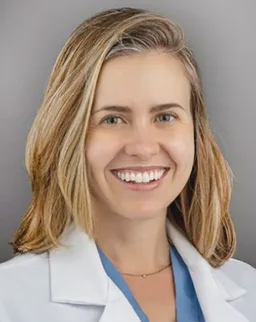
Erin Mauney
Pediatric gastroenterologist and obesity medicine physician at Tufts Medical Center, assistant professor at Tufts University School of Medicine, and psychedelic researcher conducting the first clinical trial of psilocybin-assisted therapy for IBS.
1
APPEARANCES
1
PODCASTS
Aug 4, 2026


Emeran MayerHOST
So how could an experience that's produced primarily in the brain reduce abdominal pain, alter bowel habits, or visceral hypersensitivity?

Erin MauneyGUEST
Yeah, I think we actually don't know as much as we think we do about where psilocybin acts primarily because I don't think it's really been studied robustly.
Erin MauneyGUEST
But as you mentioned, serotonin receptors are found in the brain as well as kind of throughout the body, including the gut.
Erin MauneyGUEST
And serotonin, you know, the main effect that is attributed to its psychedelic effects are its kind of changes of subjective behavior.
Erin MauneyGUEST
processing and sensation and things like that are the 5H2TA, sorry, 5HT2A receptors.
Erin MauneyGUEST
But actually psilocybin or psilocin, probably to say more accurately, which is the kind of active drug that it's converted to, it's relatively nonspecific across a wide variety of serotonergic receptors, including ones that are found distributed throughout the enteric nervous system, throughout immune cells, throughout microbiome kind of active cells.
7 MINS LATER
Emeran MayerHOST
So I just wondered that whole psychedelic experience, is that not perceived as something threatening by patients or does this not fall into this framework of, you know, medication hypersensitivity?